What Is Cartridge Filter

Last weekend, I found myself staring into my fish tank, watching a tiny, grumpy-looking betta fish glare back at me. His water had turned a murky shade of green, and I swear h...
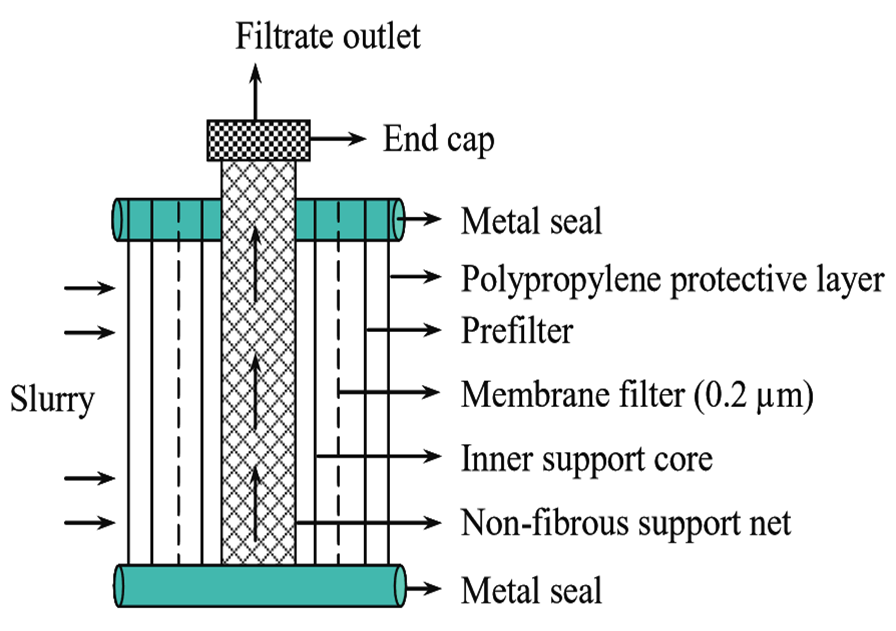
Last weekend, I found myself staring into my fish tank, watching a tiny, grumpy-looking betta fish glare back at me. His water had turned a murky shade of green, and I swear he was judging my life choices. I knew I needed to clean the tank, but the thought of hauling buckets of water made me want to take a nap instead. Right then, I remembered the little plastic cylinder sitting in my filter—that unassuming thing that had been quietly saving my fish's life (and my back) for months. That, my friend, is a cartridge filter.
So, what is a cartridge filter? In the simplest terms, it's a replaceable, cylindrical tube filled with a porous material—usually pleated paper, polyester, or activated carbon. You’ll find them inside many filtration systems, from your aquarium and your home water pitcher to heavy-duty industrial setups. Their job? To trap dirt, debris, and chemicals while letting clean liquid pass through. Think of it as a super-efficient coffee filter, but for water, air, or even oil.
Let’s get cozy with the mechanics. When dirty liquid flows into the filter housing, it’s forced through the cartridge’s outer surface. The pleats in the material create a huge surface area—like a tiny, accordion-pleated maze for particles. This means the cartridge can catch a whole bunch of gunk—sand, rust, sediment, even bacteria in some cases—without clogging up instantly. Once the cartridge is full, you simply toss it out and snap in a new one. No scrubbing, no crying over spilled sludge.
Must Read
Now, you might be thinking, “Okay, but why should I care?” Because cartridge filters are the unsung heroes of modern convenience. Imagine your tap water tasting like a swimming pool—yeah, a carbon cartridge filter fixes that by absorbing chlorine and nasty odors. Or picture your car’s engine oil being full of metal shavings—a cartridge filter in the oil system stops that destruction. In your fish tank, it’s the difference between clear, happy water and a swamp that smells like regret.
The Different Flavors of Cartridge Filters
Not all cartridges are created equal, and knowing the difference can save you from a lot of frustration. The most common are sediment filters, made from spun polyester or pleated paper. These are the bouncers at the club—they stop dirt, sand, and rust particles from getting in. You’ll see these in whole-house water systems or pool filters.
Then there are carbon block cartridges, which are like a chemical sponge. They’re packed with activated carbon that traps chlorine, pesticides, and weird tastes. Ever had water that smells like a pond? That’s a carbon filter’s time to shine. For fish tanks or lab equipment, you might use ceramic or resin cartridges that remove microscopic nasties or soften hard water.
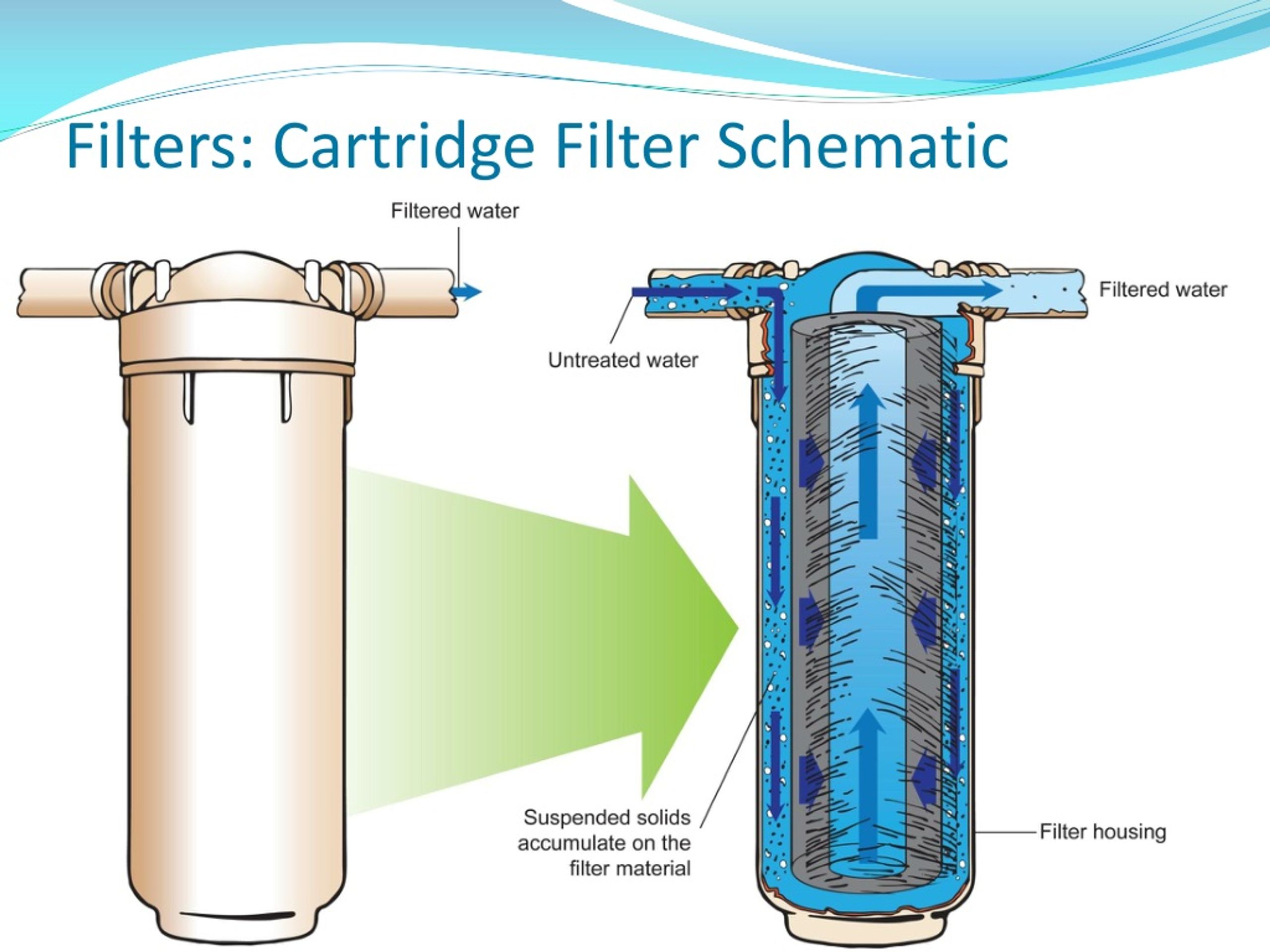 PPT - Comprehensive Guide to Water Treatment Basics for Homeowners
Here’s the catch—and this is where it gets a little ironic. Cartridge filters are designed to be disposable, which means they generate waste. You can’t just wash them and reuse them forever (though some brave souls try). This makes them incredibly convenient, but not exactly a friend to Mother Earth. The trade-off is peace of mind: you know exactly when it’s time for a swap because the water flow slows down or starts tasting funny.
How to Pick the Right One (Without Feeling Overwhelmed)
Before you go shopping, measure the micron rating. This tells you the size of the particles the filter can catch. A 5-micron filter catches finer stuff than a 50-micron one. For drinking water, go with 5 or 10 microns. For a fish tank, 20 microns is usually enough to stop baby snails from taking over.
Also, check the flow rate—that’s how fast the liquid can pass through. A tight filter (like 1 micron) might require a pump to push the water through, while a looser one (50 microns) works with gravity. And don’t forget compatibility—some cartridges are standard sizes (like 10 inches), but others are sneaky proprietary shapes. Nothing ruins a Saturday like buying a filter that doesn’t fit.
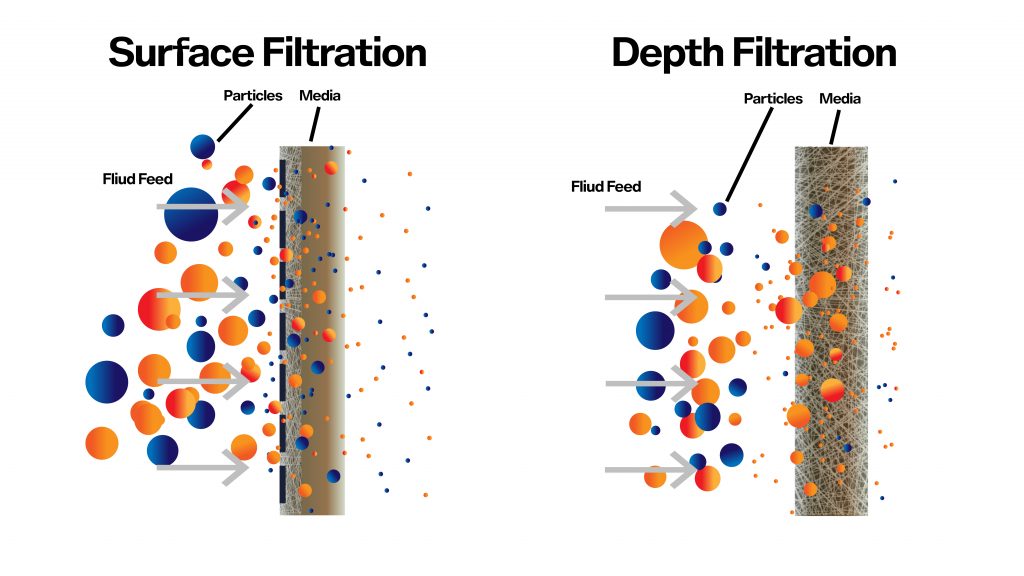 What is Cartridge Filters? Types of Cartridge Filter Sizes - Gopani
Let’s be real for a second: maintaining a cartridge filter is almost too easy, which is why we forget to do it. You’re supposed to check it every few months, but who really does that? Pro tip: Set a reminder on your phone with a sarcastic note like “Change the filter, dummy.” If you’re using one in a fish tank, swap it every 3-4 weeks. For your home water system, every 6-12 months is typical.
When you do change it, take a moment to appreciate the horror you’ve prevented. Cut open an old sediment filter, and you’ll see a layer of black, slimy muck that was once floating in your water. It’s gross, but it’s also weirdly satisfying. Just don’t smell it—trust me, I made that mistake for you.
So, next time you pour a glass of clean water or watch your betta fish swim without giving you the stink eye, give a little nod to that humble cartridge filter. It’s the quiet, hardworking hero that keeps your world from turning into a swamp. Now go check if yours needs replacing—I’ll wait. Actually, no, I won’t. But your fish will thank you later.
