Is Fluoride In Drinking Water Bad For You

So, let’s talk about that weird little debate that keeps popping up on your newsfeed: is fluoride in drinking water actually bad for you? It sounds like a conspiracy theory st...
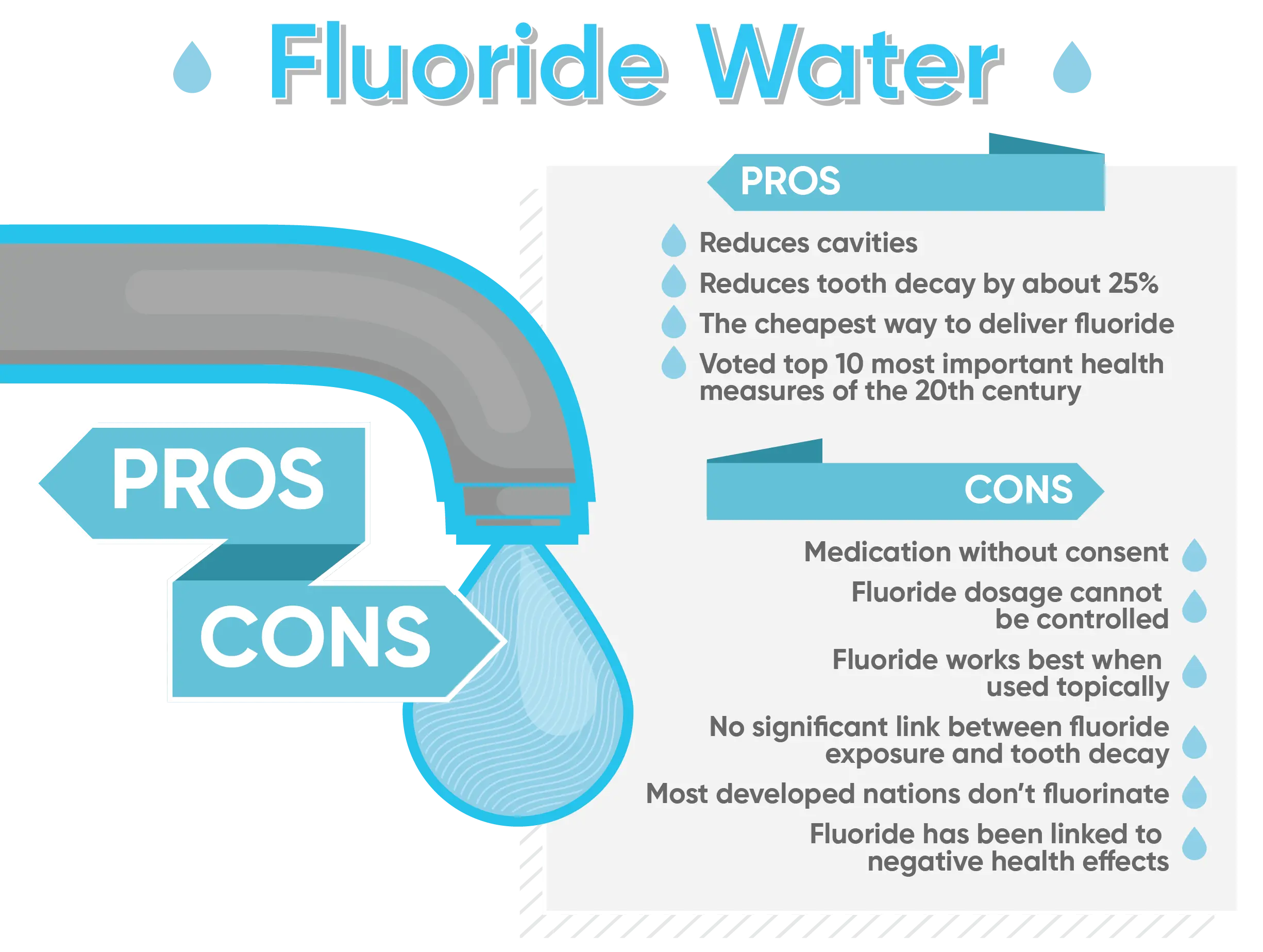
So, let’s talk about that weird little debate that keeps popping up on your newsfeed: is fluoride in drinking water actually bad for you? It sounds like a conspiracy theory straight out of a sci-fi movie, but it’s a real question millions of people are asking. And honestly, it’s kind of fascinating when you dig into it.
The Spark: Why Everyone’s Suddenly Obsessed
You’ve probably heard the whispers—things like “it’s a poison” or “it calcifies your pineal gland.” It feels scary, right? But here’s the thing: a little knowledge can turn that fear into pure curiosity. Let’s break it down like we’re chatting over coffee, not a chemistry exam.
Fluoride is just a mineral, a natural one found in rocks, soil, and even oceans. It’s not some lab-born monster—though yes, we do add a tiny bit more to tap water for a very specific reason. That reason? To protect your teeth from turning into a crumbly mess.
Must Read
The Cool Part: How It Actually Works
Imagine your tooth enamel is like a knight’s armor. Every time you eat sugar, bacteria in your mouth launch a tiny acid attack, chipping away at that armor. Fluoride swoops in like a magical repair elf, remineralizing the enamel and making it stronger against future attacks. It’s not a scam; it’s one of the most effective public health wins of the 20th century.
Communities that added fluoride to water saw a 25% drop in cavities, especially in kids and folks without access to fancy toothpaste. That’s a huge win for everyone, not just the wealthy. But here’s where it gets tricky: the dose, as they say, makes the poison.
The Scale: Where “Good” Tips Into “Hmm”
Think of fluoride like caffeine or even sunscreen. A little cup of coffee wakes you up; a gallon of it sends you to the hospital. A dab of sunscreen saves your skin; drinking the bottle is a disaster. Water fluoridation is carefully controlled to be around 0.7 parts per million—imagine one drop in a giant bathtub.
At that tiny amount, studies show it’s safe for almost everyone. The panic usually starts when you hear about dental fluorosis, which is just a fancy word for white streaks on teeth. It’s a cosmetic thing, not a health crisis, and it’s only a risk if kids swallow a ton of fluoride (like from toothpaste or supplements).
So, is it bad? For the vast majority of humans, the answer is no—it’s actually a lifesaver. But if you’re still curious, the real interesting part is the “why” behind the pushback.
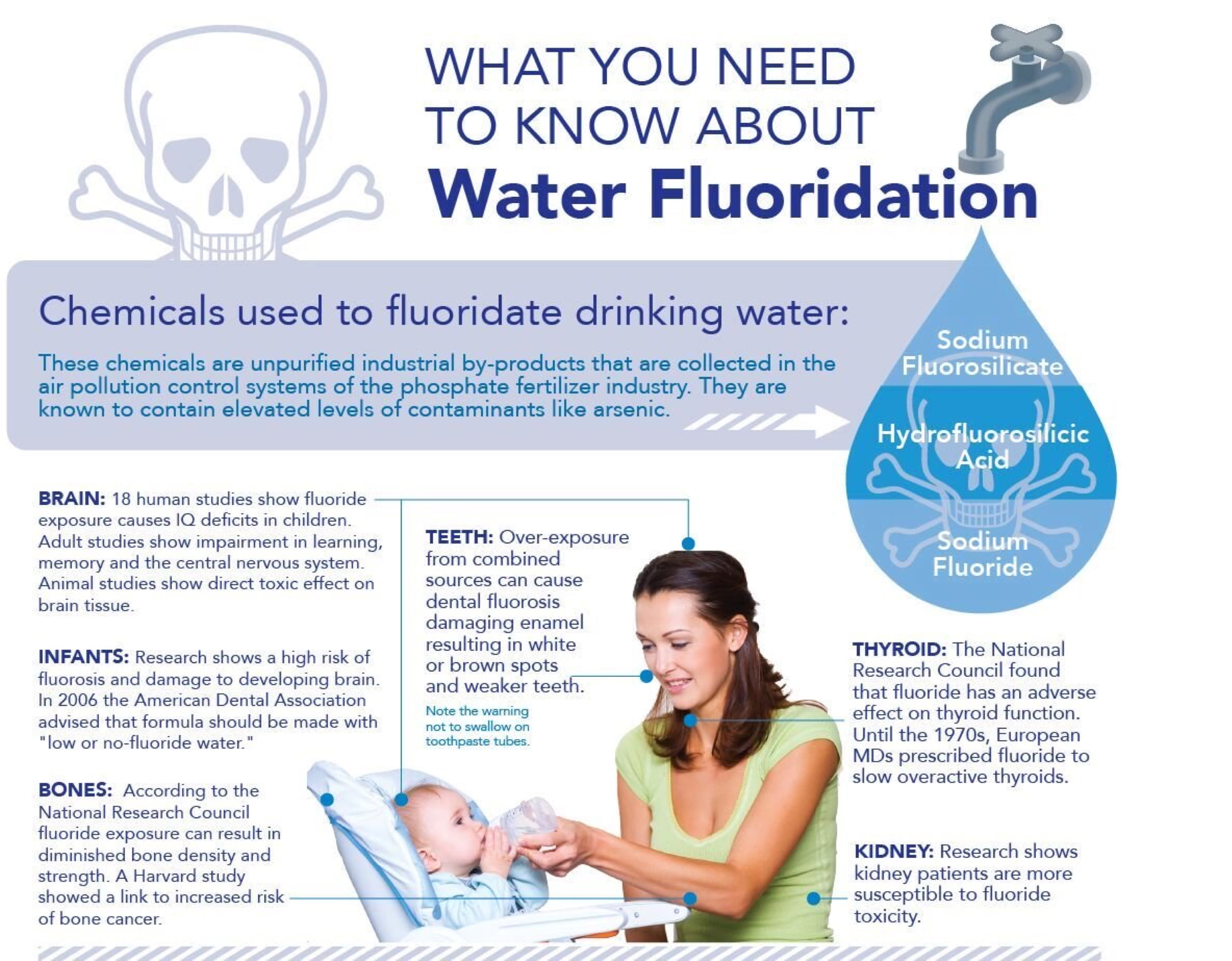 Fluoride: Good or Bad? - AlkaViva LLC
The Conspiracy Side: What About Our Brains?
Here’s where it gets fun. A small group of studies suggested that very high fluoride levels—like those found naturally in parts of China or India—might lower IQ in kids. Key words: “very high.” We’re talking levels 10 times higher than what’s in your tap water. That would be like worrying about drowning in a puddle because people have drowned in the ocean.
Major health organizations—including the CDC, WHO, and the American Dental Association—have looked at all the evidence and given tap water a thumbs-up. They’re not hiding anything; they’re just doing the math. The risk of a cavity is way higher than the risk of a brain change from that microscopic amount.
So, Should You Filter It Out?
If you’re still uneasy, you totally can. A simple carbon filter or a reverse osmosis system removes fluoride. That’s your choice, and that’s cool. But if you do, just remember you’ll need to be more diligent about your dental hygiene—maybe use a fluoride toothpaste or get a supplement from your dentist.
The bottom line? It’s not a clear-cut “bad” thing. It’s a fascinating example of how a tiny mineral can spark huge debates. Context is everything, and a little skepticism is healthy—just don’t let it make you afraid to drink water.
So next time someone says “fluoride is a poison,” you can smile and say, “Well, so is water if you drink 10 gallons in an hour.” Then maybe offer them a glass of tap water. Cheers to being curious, not scared.
