Is Fabric Softener Bad For Septic Systems

Let’s be honest: tossing a capful of that fluffy-scented fabric softener into the wash feels like a hug for your clothes. That cloud of lavender or fresh rain is basically a t...
Let’s be honest: tossing a capful of that fluffy-scented fabric softener into the wash feels like a hug for your clothes. That cloud of lavender or fresh rain is basically a tiny spa day for your t-shirts, right? But then the nagging question creeps in while you’re rinsing out the cup: Is this stuff a secret saboteur for my septic system? I’m here to tell you, it’s a legitimate question, but one you can totally handle without sacrificing your favorite cozy-sweater vibe.
The Down-and-Dirty on Your Septic System
First, a quick pep talk about your septic tank. It’s not just a hole in the ground; it’s a bustling, microscopic city where billions of bacteria work tirelessly to break down waste. Think of them as tiny, unsung heroes who keep your plumbing from turning into a drama scene. Your mission, should you choose to accept it, is to keep those bacterial workers happy and healthy.
Here’s the catch: fabric softener is like a luxury spa product that the bacteria just can’t handle. It’s often packed with quaternary ammonium compounds, or “quats,” which are powerful enough to kill germs—and your septic’s helpful microbes. Over time, this can slow down the breakdown of solids, leading to sludge build-up and system backup. Yikes.
Must Read
But Wait—Does That Mean No More Soft Laundry?
Not at all! You can have both: a happy septic tank and clothes that don’t feel like sandpaper. The key is knowing which products are the friendly ones. Look for septic-safe labels on your softener, or better yet, consider swapping to a liquid fabric softener that avoids heavy oils and synthetic waxes that clog up the works.
Even more fun? Try a DIY approach: a quarter cup of white vinegar in your fabric softener compartment adds a little fluff without the gunk. Your clothes will smell neutral, your septic system will throw a tiny party, and you get to feel like a mad scientist for a moment. Winning.
When Life Gives You Static Cling, Think Like a Pro
If you’re a die-hard softener fan, don’t panic. You don’t have to become a crunchy-granola laundry guru overnight. Just reduce your dosage by half and run an extra rinse cycle to prevent chemical buildup in the tank. Think of it as a compromise: your jeans retain some bounce, and your septic bacteria keep doing their job without a hangover.
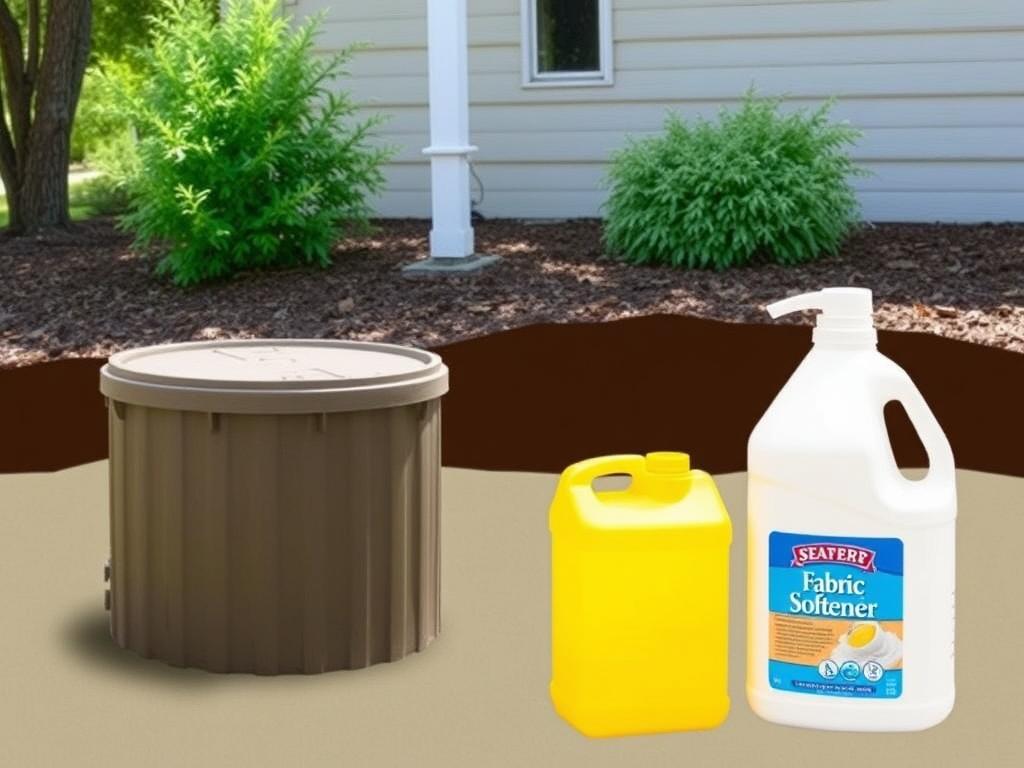 Septic Tank and Fabric Softener: Are There Any Problems to Know?
Another hack: use dryer balls wrapped in a bit of wool or silicone. They fluff your clothes naturally and reduce static cling without adding any chemicals to your water. Plus, watching them bounce around in the dryer is oddly satisfying. Your septic system thanks you, and your electric bill might even give a little cheer.
The Real Uplifting Note
Here’s the beautiful truth: learning about your septic system isn’t about fear—it’s about empowerment. You now have the keys to a cleaner, greener, and smarter laundry routine that keeps your home running smoothly. Every time you choose a septic-friendly softener or skip the heavy dose, you’re not just doing a chore—you’re being a total boss of your household ecosystem.
So go ahead, hug that towel fresh from the dryer. It can be soft, smell wonderful, and still be a hero for your septic tank. You’ve got this. Now, stick around—there’s a whole world of quirky home science out there, just waiting for your curious spirit to explore. Your next laundry adventure starts now.
