Side Effects Of Chlorine In Drinking Water

Let’s be honest: most of us don’t think twice about the water that comes out of our tap. We fill our kettle, brush our teeth, and gulp down a glass without a second thought. B...
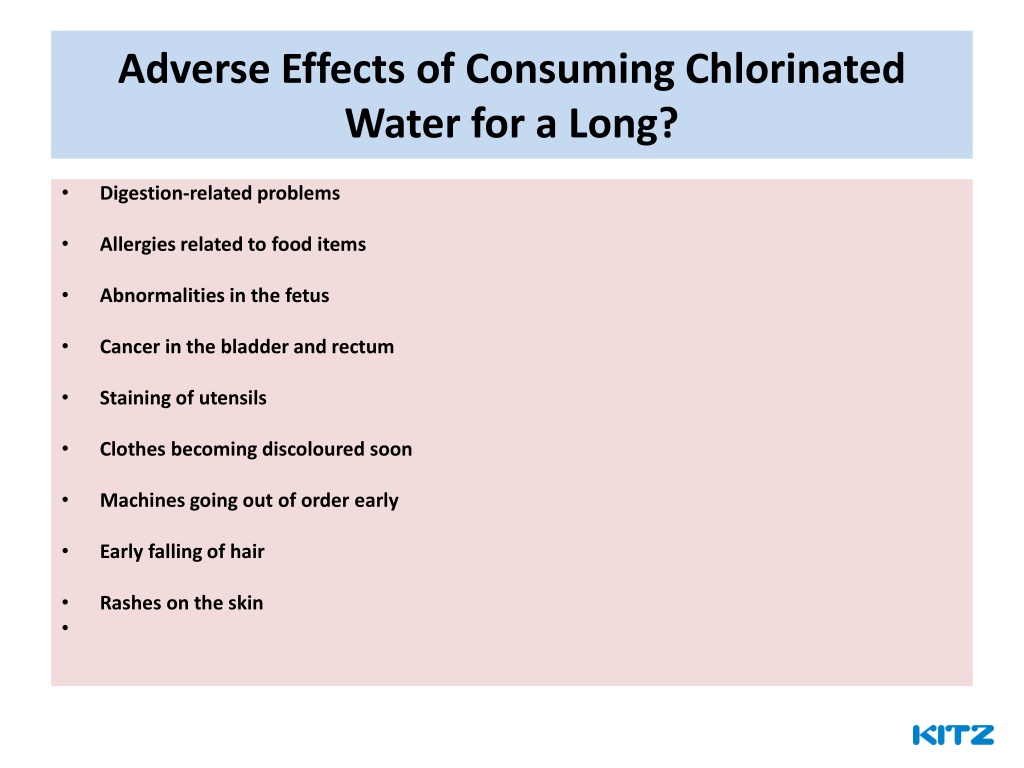
Let’s be honest: most of us don’t think twice about the water that comes out of our tap. We fill our kettle, brush our teeth, and gulp down a glass without a second thought. But there’s a silent guest in that water, and its name is chlorine. While it’s there to keep us safe from nasty bugs, it can have a few quirky side effects on our daily lives.
Think about that sharp, swimming pool smell that hits you when you open the faucet. That’s chlorine doing its job, but it’s also a sign that you’re drinking a very diluted version of bleach. It’s not exactly the refreshing glass of mountain spring water you were hoping for, right? Your nose is basically telling you, “Hey, something’s up.”
The Skin and Hair Show
Have you ever noticed your skin feeling a bit tight and itchy after a shower, especially in winter? That’s not just dry air—it’s chlorine stripping away your natural oils. It’s like having a tiny, invisible scrubber on your skin that’s a little too enthusiastic.
Must Read
And your hair? Oh, chlorine just loves to mess with it. It can turn your lovely locks into something that feels like brittle straw, especially if you’re a blonde—chlorine has a knack for giving hair a greenish tint. Imagine explaining that to your hairdresser: “No, I didn’t dye it; my tap water just got creative.”
It’s not dramatic for everyone, but if you use a lot of lotion or conditioner, your tap water might be part of the problem. The good news? A simple shower filter can give your skin and hair a break.
Breathing in the Extra
Here’s a fun fact: you don’t just drink chlorine—you breathe it, too. When you take a hot shower, the steam carries tiny bits of chlorine into the air. You’re basically giving yourself a mini steam bath at a public pool, minus the lane ropes.
For most of us, that just means a little dryness in the throat or lungs. But for people with asthma or allergies, it can feel like taking a deep breath near a window cleaner—not ideal. If you find yourself coughing after a long, hot shower, your water might be the culprit.
And yes, your houseplants feel it too. If you’ve ever wondered why your fern looks sad after you water it, it might be getting a dose of too much chemical love. Chlorine is a disinfectant, and it doesn’t discriminate between germs and good soil bacteria.
The Great Taste Test
Let’s talk about flavor. You know that clean, but slightly bleachy taste of tap water? That’s the chlorine. It’s why many people swear by filtered pitchers or buy bottled water—not because they’re fancy, but because they don’t want their lemonade to taste like a public pool.
Even your morning coffee or tea gets affected. Chlorine can turn a perfectly good brew into something that tastes flat and a bit metallic. It’s like your coffee is whispering, “I could be better, but your water is holding me back.”
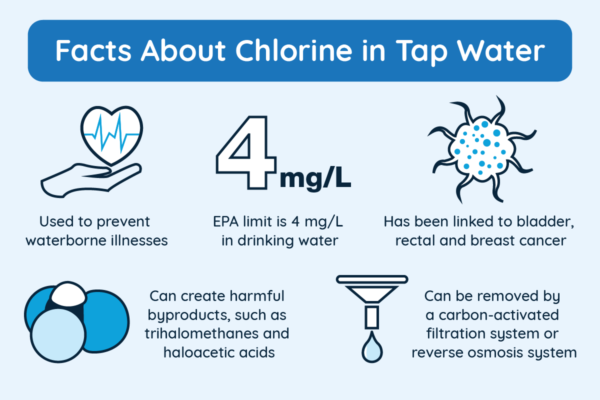 Why Does My Tap Water Smell Like Chlorine? - Angel Water Inc.
The fix is simple: a jug of water left in the fridge for a few hours will let the chlorine evaporate out. Or just use a basic filter. Suddenly, your tea tastes like the queen’s own blend.
The Bigger Picture (But Keep It Light)
Now, before you panic, remember this: chlorine is one of the great successes of public health. It kills cholera and typhoid, which are way worse than dry skin. The tiny amounts in tap water are usually safe for healthy people. We’re not talking about a health crisis—just a quality-of-life tweak.
It’s like having a friend who’s very good at keeping your house secure but who also leaves muddy footprints on the floor. You don’t kick them out; you just buy a doormat. In this case, the “doormat” is a carbon filter or a water pitcher.
If you’re ever worried about long-term effects, you can check with your local water utility. They post levels online, usually much lower than anything risky. The main thing is to stay hydrated—don’t give up tap water because of a little chlorine. Just make it work for you.
Your Water, Your Rules
So, what’s the takeaway? Chlorine is a helpful but slightly cheeky neighbor. It keeps the water safe, but it can leave you with dry hands, questionable hair, and coffee that tastes meh. The solution isn’t crazy—it’s small choices.
Try leaving your water out overnight, using a basic jug filter, or getting a shower head attachment. You don’t need a whole-house reverse osmosis system. Just a little practical love for your water.
Your skin will stop feeling like sandpaper, your hair will stop acting up, and your tea will finally taste as good as you deserve. And the best part? You’ll still be drinking safe, clean water. That’s a win-win, straight from your own faucet.
