How Do I Know If I Need A Water Softener

You’re not imagining it. That chalky film on your freshly washed glasses isn't a new art trend, and your dry, itchy skin might not be seasonal allergies. Welcome to the world...
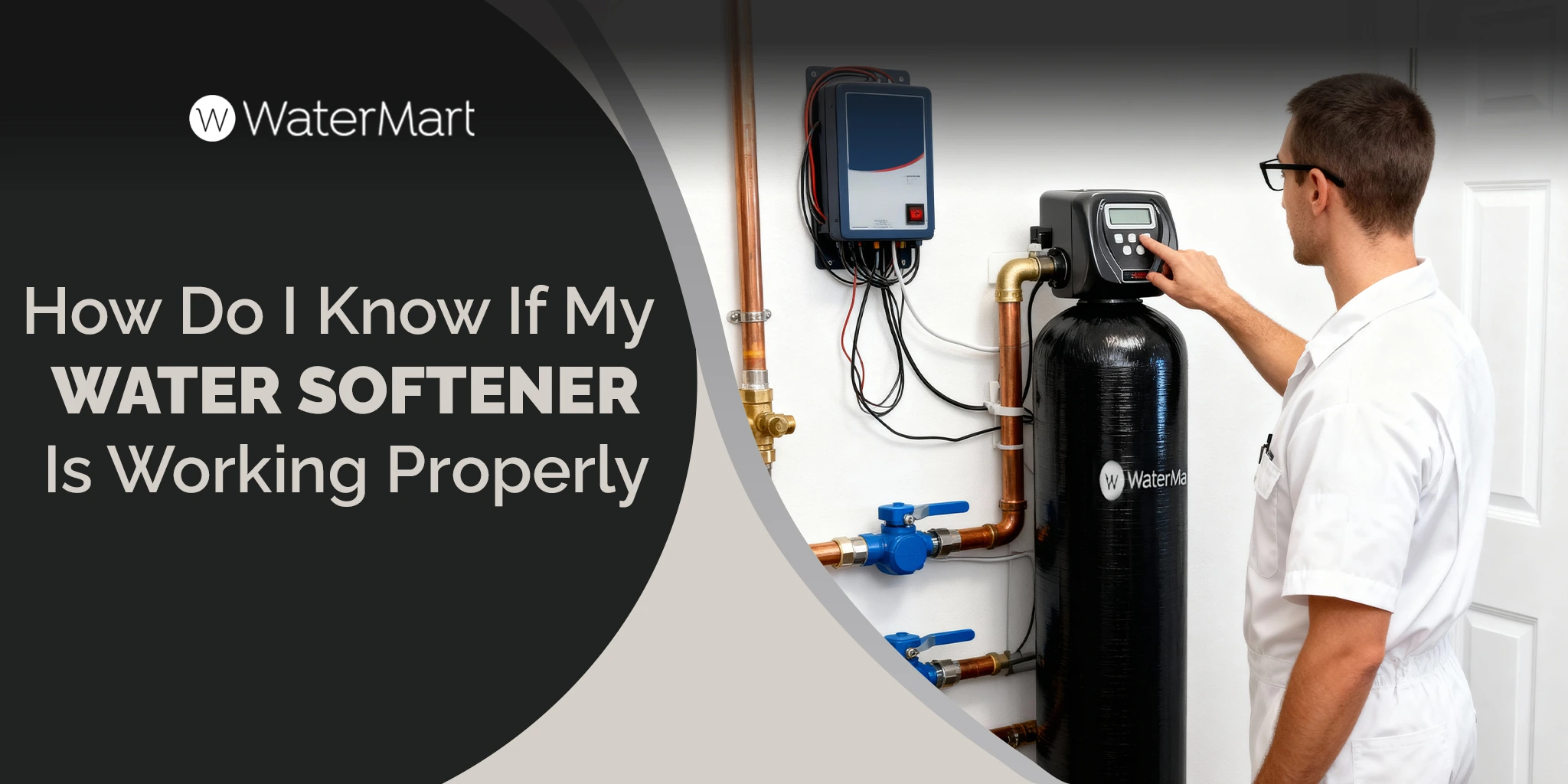
You’re not imagining it. That chalky film on your freshly washed glasses isn't a new art trend, and your dry, itchy skin might not be seasonal allergies. Welcome to the world of hard water, a silent guest in over 85% of American homes. It’s not always dramatic—no sirens, no flashing lights—but your home will start sending signals if you know where to look.
Your Glassware Is Giving You a Clue
Pull a glass from the dishwasher. If it looks spotty, cloudy, or like it’s wearing a permanent thin layer of frost, that’s calcium carbonate laughing at your rinse aid. These spots are mineral deposits left behind when hard water evaporates.
It’s not just glasses. Your shower doors, faucets, and even that fancy kettle might develop a white, crusty scale. Think of it as a tiny, unwanted mineral art installation in your home.
Must Read
Fun fact: Hard water is actually full of healthy minerals like calcium and magnesium. The problem? Your appliances and skin don’t want them in such high doses.
Your Skin and Hair Have a Vote
Ever step out of a shower feeling like you’ve been rinsed in a gentle film that just won’t go away? That’s the soap scum left by hard water reacting with your soap. It clogs pores and leaves a residue that traps dirt and bacteria.
Your hair might feel straw-like, frizzy, or flat, even after using that expensive Moroccan oil shampoo. Hard water minerals bind to your hair shaft, making it impossible for conditioner to do its job properly.
If you’ve been battling mysterious dry patches or eczema flare-ups, your water could be the culprit. One dermatologist study found that hard water can worsen eczema in children by damaging the skin barrier.
The Silent Appliance Killer
Your water heater is working harder than it should. Every grain of calcium that builds up inside it is like insulation, forcing it to burn more energy to heat your water. This can slash your water heater’s efficiency by up to 50%.
Your washing machine, dishwasher, and coffee maker are all being slowly choked by scale. You might notice your clothes fading faster or your coffee taking longer to brew.
Practical tip: If your faucets drip with a low, steady stream despite a new aerator, scale has likely built up inside the pipes. That’s a major clue you need intervention.
The Soap Test You Can Do Right Now
Grab a clear plastic bottle with a lid. Fill it one-third full with tap water, add a few drops of pure liquid soap (no moisturizers), and shake it vigorously for 15 seconds. If you see a tall, fluffy pile of bubbles, good news: your water is likely soft.
If the water looks cloudy, has few bubbles, or forms a scummy film on the surface, you have hard water. The minerals are fighting your soap and winning.
This cheap, instant test is more reliable than any "test strip" you’ll buy online. Science for the win.
The Money Question: Is It Worth It?
You don’t need a water softener if you’re renting a tiny apartment and the scale is just a minor annoyance. But if you own your home and love your appliances, it’s a long-term investment that pays for itself.
 Do I Need a Water Softener
A whole-home water softener can save you hundreds annually on detergent, fewer appliance repairs, and lower energy bills. Plus, your skin and hair will thank you.
For most people, the decision comes down to this: Are you constantly cleaning scale, buying new showerheads, or using extra lotion? If you answered yes to two of these, it’s time to call a water specialist.
The Cultural Fine Print
In many European cities, hard water is a point of pride—it’s "natural" and "mineral-rich." Those tiny, hard-water stains on glasses in a Parisian café are practically a badge of authenticity. But let’s be real: you’re not drinking espresso in a Parisian bistro.
You’re at home, wanting clean glasses and soft towels. If you’re constantly battling that powdery residue, it’s not a lifestyle choice—it’s a plumbing problem.
Pop culture check: Remember the movie “Erin Brockovich”? She tested water for heavy metals, not calcium. But the principle stands: know what’s flowing through your pipes.
Practical Tips Before You Buy
Do the "Water Hardness Map" Hunt
Your local water utility publishes an annual water quality report. Look for "hardness" measured in grains per gallon (gpg). Anything over 7 gpg is considered hard and usually needs softening.
If you’re on well water, you definitely need a test. Well water can swing wildly in hardness and may also contain iron or manganese, which requires a different system.
Know Your Softener Types
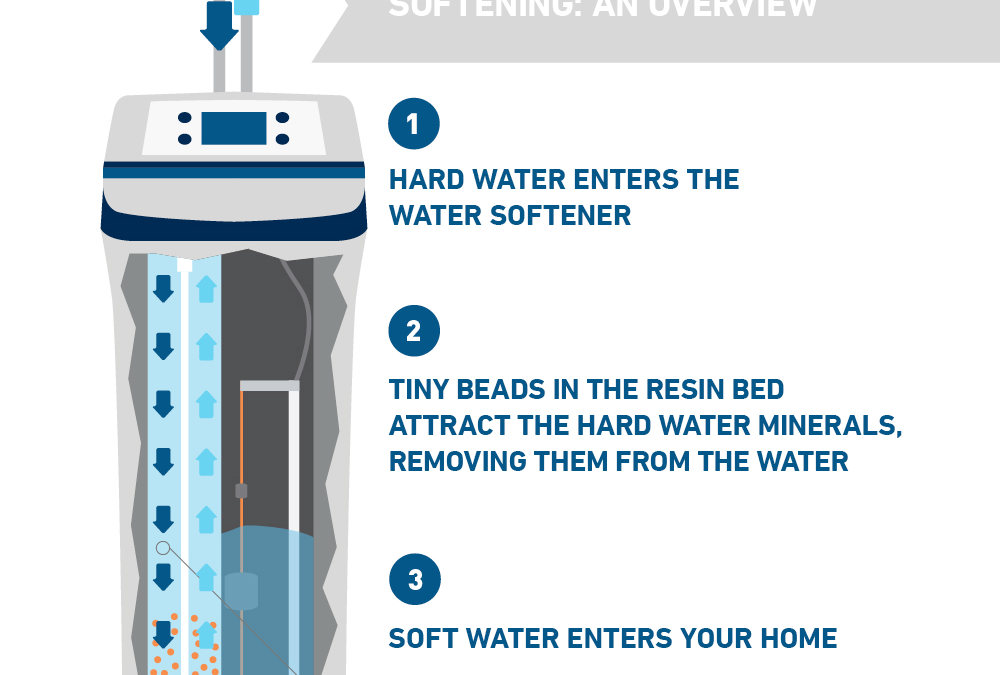
Salt-based softeners work by exchanging minerals for sodium. They are the most effective but require regular salt refills. Salt-free "conditioners" don’t remove minerals but change them so they don't stick to surfaces.
Salt-free systems are better for the environment and your sodium intake, but they don’t make water truly "soft." They’re great for preventing scale, not for soap lather.
Pro tip: If you’re on a low-sodium diet, look for a potassium chloride softener as an alternative to salt.
The Final Pour
You don’t need to become a water chemist. You just need to notice if your home feels a little… gritty. If your tea has a weird film, your dishes look hazy, and your hair feels like straw, the answer is clear.
Your water is asking for an upgrade. And honestly, after you experience that first silky shower with softened water, you’ll wonder why you waited so long. It’s one of those small, quiet luxuries that daily life quietly rewards.
