Water Treatment For Sulfur In Well Water

If your well water smells like a rotten egg convention just moved into your kitchen, you’ve got a sulfur problem. Don’t panic! It’s actually super common, and fixing it can be...
If your well water smells like a rotten egg convention just moved into your kitchen, you’ve got a sulfur problem. Don’t panic! It’s actually super common, and fixing it can be a blast... okay, maybe not a blast, but at least it’s not brain surgery. We’re talking about hydrogen sulfide gas—that stinky culprit that turns your morning shower into a personal biohazard event.
The first thing to know is that sulfur isn’t usually dangerous to your health, just your nose and your pride. It can also leave nasty black stains on your sinks and silverware. Your water might even taste a little like a dirty swamp, which is not the vibe for your iced tea.
Meet the Stinky Villain: Hydrogen Sulfide
This gas hides in your well water, waiting to ambush you every time you turn on a faucet. It usually comes from bacteria eating sulfur in the ground—think of it as the world’s least glamorous potluck. There are two main ways it shows up: as a dissolved gas (the stink) or as sulfur-reducing bacteria (the slime that creates the stink).
Must Read
Good news: you don’t have to move. Bad news: ignoring it won’t make it go away. This isn’t a bad dream you can wake up from. You need a plan—and maybe a nose plug until the plan kicks in.
Option 1: The Simple Fix – Aeration
Aeration is like giving your water a relaxing spa day. You spray water into a tank full of air, and the sulfur gas escapes like a drama queen storming out of a party. It’s gentle, chemical-free, and perfect if your sulfur levels are mild.
The downside? You need a second tank and a pump, so your wallet might groan a little. But hey, no chemicals means no fuss, and the water comes out smelling like nothing—which is the ultimate compliment for water.
Option 2: The Chemical Approach – Chlorination
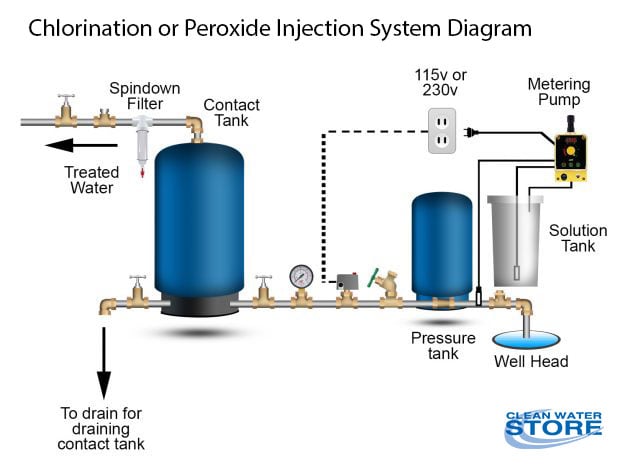
If your water is more “toxic waste dump” than “fresh mountain spring,” chlorination is your heavy hitter. You add a tiny bit of bleach (yes, the laundry kind) to your well or a holding tank. The chlorine oxidizes the sulfur, turning it into harmless particles you can filter out.
Warning: Do not chug bleach-water. Seriously, don’t. You’ll also need a carbon filter afterward to remove the chlorine taste. But the result? Water that smells like a hotel pool—clean, crisp, and totally unpolluted by rotten eggs.
Option 3: The Filtration Method – Greensand and Manganese
This is the Cinderella story of water treatment. You install a filter filled with something called “greensand,” which is basically magical sand that traps sulfur like a high-tech flytrap. As water runs through, the sulfur gets oxidized and removed.
It’s low-maintenance and electric-free, which means no energy bills for your water treatment. Just remember to periodically backwash the system—that’s the filter equivalent of taking out the trash. Your filter might sound like a gurgling dragon, but that’s a good thing.
Option 4: The “Let’s Kill the Bacteria” Move – Shock Chlorination
Sometimes the sulfur isn’t the main problem—it’s the bacteria that produce the sulfur. These little guys live in your well and turn it into a stink factory. Shock chlorination is like sending a SWAT team down your well: you pour a massive dose of bleach down there, let it sit for a day, then flush it out.
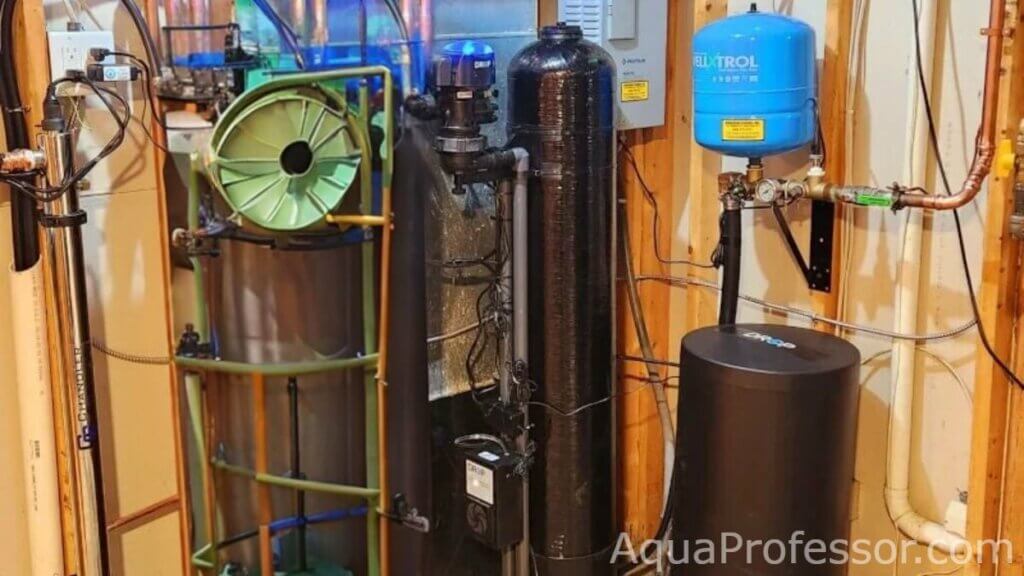 5 Best Sulfur Filters for Well Water (No More Rotten Egg Smell)
This is a temporary fix, not a permanent solution. You might have to do it every few months, like spring cleaning for your water. And pro tip: warn your family before you do this. The initial blast of chlorine smell can be... memorable.
How to Know Which Fix Is for You?
Start by sniffing your water. Does the smell fade after running the tap for a minute? That means it’s a gas problem, and aeration is your friend. Does it get stronger when you heat the water? That’s a bacteria issue, which needs chlorination.
You can also do a simple home test: fill a glass of water, cover it, shake it, and sniff. If it’s super stinky, your sulfur is high. If it’s just a little whiff, you’re in the “annoying but fixable” range. Test kits from your local hardware store are cheap and easy—way less drama than a breakup.
Don’t Forget the Iron Connection
Sulfur often hangs out with iron, like two trouble-making buddies. If your water leaves orange stains on your laundry, you might be dealing with both. Many treatment systems, like the greensand filter, handle sulfur and iron together.
Think of it as a two-for-one deal! You get rid of the stink and the rusty stains. Suddenly, your bathroom sink isn’t a crime scene anymore.
A Word on Maintenance (Yes, It’s Boring, But Do It)
No matter which system you choose, it won’t work forever without some love. Filters clog. Pumps slow down. Bacteria throw a rager when you aren’t looking. Check your system every month or two, and replace parts when needed.
The payoff? You can finally invite people over without hiding your tap water. And you can enjoy a rotten-egg-free existence. It’s the little things in life—like not gagging when you brush your teeth.
Uplifting Conclusion: A Fresh Start
So here’s the truth: your well water’s sulfur problem is just a solvable nuisance. It’s not a cosmic joke or a punishment for forgetting to recycle. With a little effort—and maybe a small budget for a filter—you can turn your stinky swamp into a crystal-clear paradise.
Imagine this: you pour a glass of water, take a sip, and it tastes like... nothing. Pure, clean, odorless nothing. It’s the most boring victory you’ll ever celebrate, and it will make you ridiculously happy. So go ahead, call a plumber, buy a filter, or just shock your well. And when that first glass of smell-free water hits your lips, give yourself a high five. You’ve earned it, you magnificent water magician.
