Activated Carbon Filter For Chlorine Removal

Let’s talk about a superhero for your tap water. It’s not a fancy pitcher or a glowing bottle. It’s black, crumbly, and looks like burnt charcoal briquettes from a fancy party...
Let’s talk about a superhero for your tap water. It’s not a fancy pitcher or a glowing bottle. It’s black, crumbly, and looks like burnt charcoal briquettes from a fancy party.
We’re chatting about the activated carbon filter and its epic quest to kick chlorine to the curb. This little sponge of science makes swimming-pool-smelling water taste like pure mountain spring. And it does it with zero capes.
Why is chlorine even in your water?
Good news: chlorine keeps you from getting sick from nasty bacteria. Bad news: it makes your water smell like a public pool on a hot day. It can also make your tea taste like bleach and your skin feel like sandpaper.
Must Read
Think of chlorine as a bouncer. It kicks out the germs, but it also ruins the vibe of your drink. Activated carbon is the chill friend who lets the good times roll without the chemical stink.
How does this black magic work?
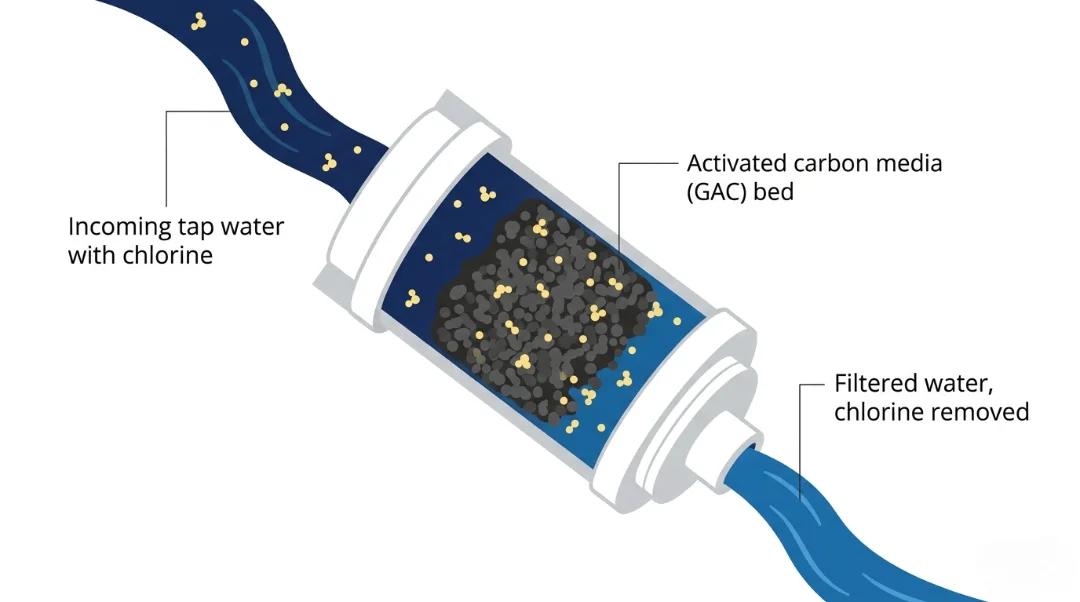
Activated carbon is charcoal that has been supercharged. Imagine a sponge with a million tiny caves inside. These caves are perfect for trapping chlorine molecules like a microscopic jail.
This process is called adsorption (not absorption, get it right!). Adsorption is like a sticky hug. Chlorine gets stuck to the carbon’s surface, clinging for dear life, while the clean water slips right through.
One gram of activated carbon can have a surface area the size of a football field. Imagine that! You could play a tiny game of tag inside your filter. Your water is getting filtered by a vast, dark landscape.
Quirky fact: It’s not magic, it’s a game of tag.
Chlorine molecules are very small and speedy. Activated carbon filters are the impossible maze they can't escape. Once chlorine enters the carbon pores, it’s stuck in a party with no exit.
If you left a glass of water out overnight, chlorine evaporates on its own. But who has time for that? We want instant gratification. The carbon filter gives you the “overnight” result in seconds.
Bonus: It also traps odors, weird tastes, and some nasty chemicals like VOCs (volatile organic compounds). That weird “new shower curtain” smell? Gone. That funny taste from plastic bottles? Banished.
The good, the bad, and the crumbly.
Let’s be real. Activated carbon filters are amazing, but they aren’t immortal. They have a lifespan like a houseplant you forget to water. After a few months, they fill up with captured junk and stop working.
When the filter is full, it becomes a breeding ground for bacteria. Yes, gross. Your old filter can start putting bad stuff back into your water. That’s why you must swap it out regularly.
Treat your filter like a plot twist. Replace it before it gives you a bad ending. Set a calendar reminder. Your taste buds will thank you.
Funny detail: The carbon “flush”.
When you first install a new filter, you might see black specks in your water. Don’t panic! That’s just carbon dust, a tiny post-party mess. It’s harmless, but gross.
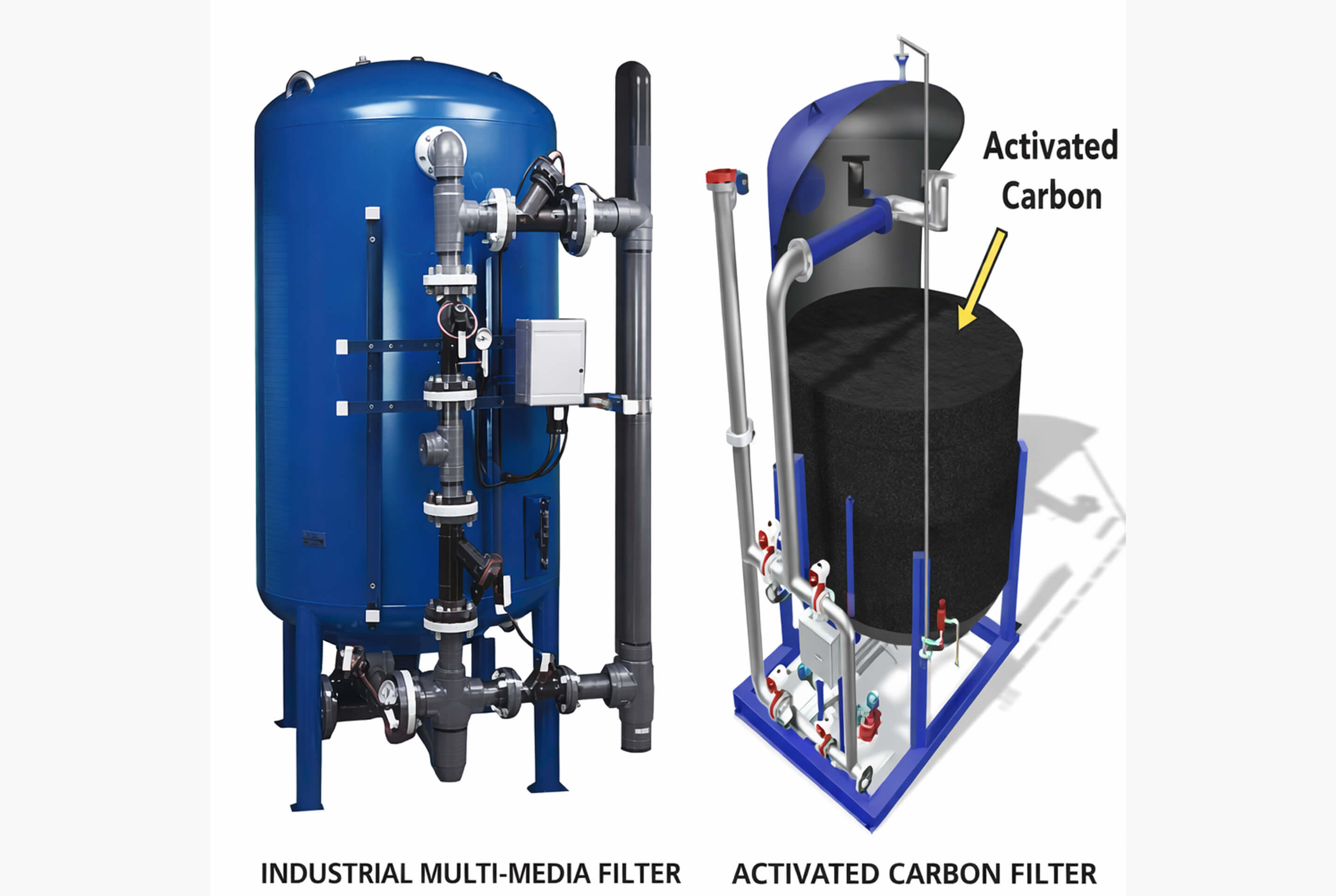 Best Activated Carbon Filters | Remove Chlorine & VOCs
Run the filter for a minute before drinking. Think of it as the filter getting its act together. Like you brushing your teeth before a date. First impressions matter.
Where can you find this party?
Activated carbon is everywhere. It’s in your fridge pitcher, your sink faucet attachment, and even your fancy travel bottle. It’s the secret MVP of your coffee maker and aquarium filter, too.
You can even buy whole-house systems if you hate the idea of chlorine showers. Imagine your hair smelling like nothing. Pure, boring, beautiful nothing. Activated carbon makes that dream real.
If you ever visit a water treatment plant, you’ll see giant towers of the stuff. They look like industrial-sized charcoal grills. It’s the same science, just big enough to filter a city’s worth of bathwater.
Pro tip: Not all carbon is created equal. Look for coconut-shell-based carbon. It’s the Hollywood actor of carbon—sustainable, hardworking, and sexier than coal-based options. It also regenerates better.
But does it remove the good stuff?
Here’s a common worry: does it strip out healthy minerals like calcium or magnesium? Nope. Activated carbon is picky. It targets chlorine, pesticides, and bad tastes, but leaves your good minerals alone.
You get to keep the healthy bits. The water stays “hard” in a good way (not the “I can’t lather my soap” way). It’s a selective bouncer who only kicks out the trouble makers.
So you can drink clean, tasty water that still has the stuff your body likes. It’s the perfect compromise. Like keeping the friend who tells good jokes but kicks out the one who spoils the movie.
Let’s wrap this up, shall we?
Activated carbon filters are simple, cheap, and weirdly fascinating. They turn pool water into spring water using tiny caves and sticky hugs. It’s science you can taste.
The next time you sip from a filtered glass, remember the charcoal universe inside. Billions of tiny traps, working hard so you don’t taste a hint of chlorine. Give your filter a little nod of respect.
Now go swap that old filter out. Your water—and your tea—are waiting for their upgrade. Cheers to the black magic that makes every sip better.
