Reverse Osmosis Home Water Filter System

Let’s be honest: tap water can be a bit of a gamble. Sometimes it tastes like a metallic pool party, other times like a faint echo of last week’s municipal cleaning. You’ve pr...
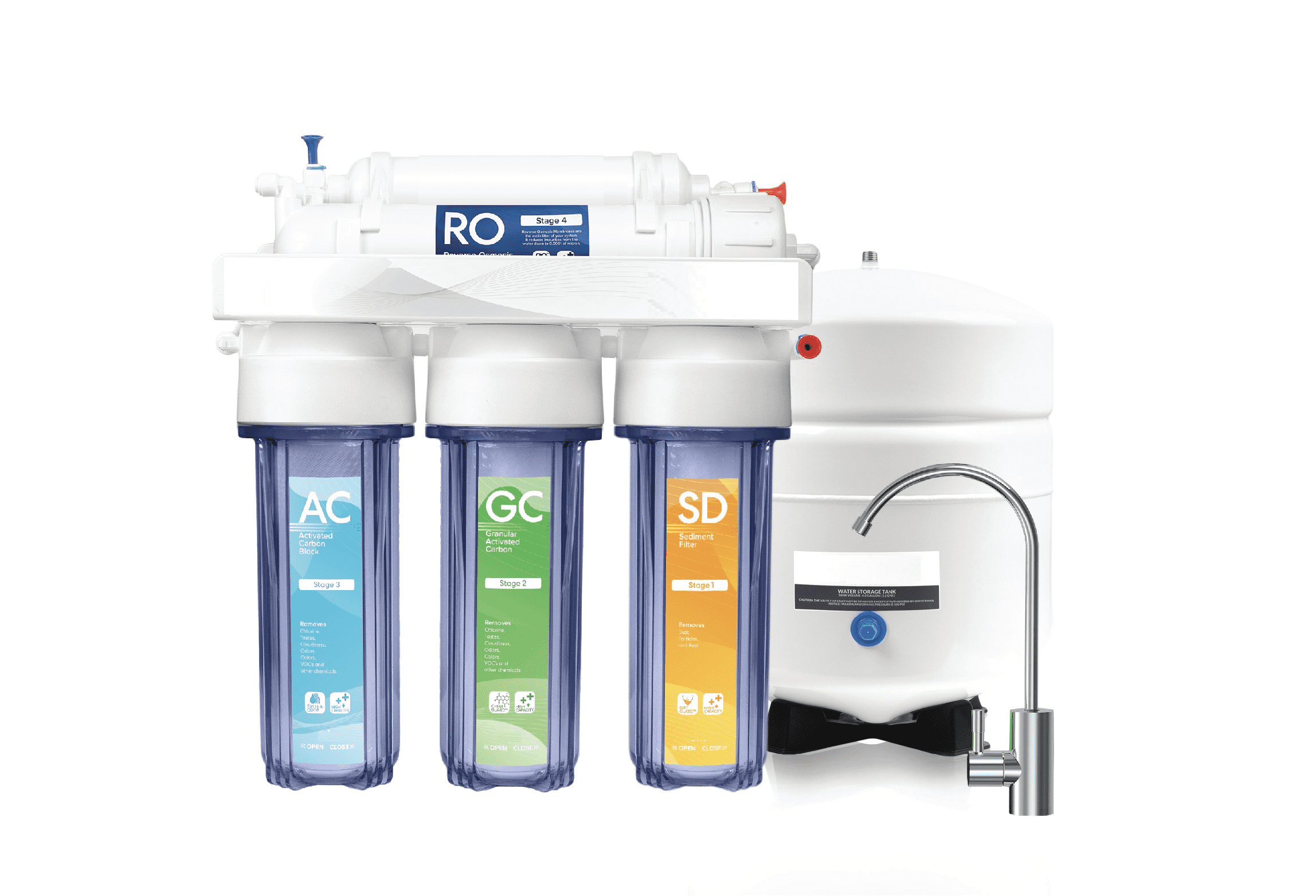
Let’s be honest: tap water can be a bit of a gamble. Sometimes it tastes like a metallic pool party, other times like a faint echo of last week’s municipal cleaning. You’ve probably flirted with the idea of a filter pitcher, but those are more like a polite suggestion than a full-on water intervention.
Enter the Reverse Osmosis home water filter system—the quiet overachiever of your kitchen counter. It’s not just a filter; it’s essentially a water treatment plant condensed into a sleek unit under your sink. And yes, it tastes as good as it sounds.
So, What’s the Big Deal About Osmosis?
Remember the science class where you learned about water moving through a membrane? Reverse Osmosis (RO) is that concept, but reversed—hence the name. It uses pressure to push water through a super-fine membrane that catches almost everything you don’t want.
Must Read
We’re talking about fluoride, chlorine, lead, pesticides, and even microplastics. It’s like having a very strict bouncer at the door of your glass, only letting H₂O through. Fun fact: a good RO system removes up to 99% of total dissolved solids (TDS). That’s not a filter; that’s a purification alchemist.
Culturally, this is the same technology used in Bottled Water Brands and even in some premium coffee shops that charge you $6 for a pour-over. You’re basically getting the same water for a fraction of the plastic waste. Pretty cool, right?
The Setup: Not as Scary as It Looks
If you’re picturing a massive machine with tubes and a degree in plumbing, relax. Modern RO systems are designed for DIY-friendly installation. Most come with a simple faucet that fits into your sink’s existing hole, and the tanks are compact enough to hide in the cabinet.
Pro tip: Measure your under-sink space before you buy. Some units are taller than others, and you don’t want to play Tetris with your trash bags and cleaning supplies. Also, look for a system with a quick-change filter—trust me, your future self will thank you when you don’t have to wrestle with sticky o-rings.
There’s even a growing trend of countertop RO units—no installation needed. They’re perfect for renters or anyone who wants to bring a touch of lab equipment chic to their kitchen island. The water comes out cold and crisp, ready for your afternoon seltzer experiment.
Practical Tips for the RO Life
Here’s the real tea (or rather, the real water): RO systems produce a little wastewater—about 4 gallons of waste for every 1 gallon of pure water. That sounds wasteful, but modern systems (like the 1:1 ratio models) are much more efficient. Use that waste water for your houseplants; they don’t mind the minerals, and you’ll feel like a sustainability hero.
Another insider tip: RO water is “flat” initially because it’s stripped of minerals. That’s why many systems include a mineralization cartridge or you can add a pinch of Himalayan salt to your glass. Or just drink it as is—your taste buds will adjust, and you’ll soon hate that chlorine aftertaste in public fountains.
And don’t be that person who forgets to change the filters. Mark your calendar every 6 to 12 months. A neglected filter is like a very tired bouncer—it will let bad stuff through. Most systems have an indicator light, but if yours doesn’t, set a phone reminder. Your kidneys will not remember to do it for you.
 Reverse Osmosis Water Filter System
The Cultural Water Shift
We’re living in the era of “hydration as a personality trait”. Stanley cups, insulated bottles, and water tracking apps are everywhere. Owning an RO system is the quiet power move of this trend—you’re not just carrying water; you’re carrying perfect water.
Think of it as a small rebellion against single-use plastic. Every time you fill up your beautiful metal bottle from your RO faucet, you’re saving the planet one microplastic sip at a time. It’s also a conversation starter at dinner parties: “Oh, this water? It’s reverse osmosis. Yes, I ran it through a membrane. No big deal.”
Fun fact: NASA uses reverse osmosis on the International Space Station to recycle water from… well, let’s just say astronauts drink their own purified sweat. So when you drink RO water, you’re basically sharing a technology with space travelers. Very chic, very astronaut.
A Quick Word on Taste
If you’ve ever tasted truly pure water, you know it’s almost silky on the tongue. It’s like the difference between a crisp white wine and a cloudy, oxidized one. Once you go RO, you’ll notice that tap water has a slight “mineral bite” or a hint of pool chlorine.
Use your RO water for coffee, tea, and even making ice cubes. The clarity of the ice is remarkable—no cloudy spots, just transparent cubes that make your whiskey look like a work of art. Plus, your plants will grow faster without the chlorine shock. It’s a win for you and your fiddle leaf fig.
The Reflection: A Simple Ritual
At the end of the day, a reverse osmosis system isn’t just about chemistry—it’s about ritual. You fill your glass, you watch the water run clear, and you take a moment to appreciate the small engineering marvel happening under your sink. It’s a quiet luxury, a tiny act of care in a chaotic world.
When you drink water that’s been purified so meticulously, you’re hydrating with intention. You’re saying, “I deserve this.” And honestly, you do. Every glass becomes a subtle reminder that the cleanest things in life often come from a little bit of effort and a lot of clever science.
So go ahead, pour yourself a glass. Cheers to water that tastes like it’s been kissed by a cloud. Your taste buds—and your planet—will thank you.
