Is There A Problem With Water In My Area

You wake up, pour a glass of water from the tap, and take a sip. Suddenly, you pause. Does it taste a little… off? Or maybe the water pressure is just a bit lower today. It’s...

You wake up, pour a glass of water from the tap, and take a sip. Suddenly, you pause. Does it taste a little… off? Or maybe the water pressure is just a bit lower today. It’s a quiet anxiety that creeps into modern life, and you’re not alone in wondering: is there a problem with water in my area?
The short answer is: probably not a crisis. But the long answer involves a fascinating mix of infrastructure, weather, and your own local geology. Let’s dive in, shall we?
The Great Tap Water Check-Up
First, let’s bust a myth: clear water doesn’t always mean safe water. Think of it like a digital detox—sometimes the things you can’t see are the most important. Your municipal water utility runs thousands of tests daily, but you can be a detective too.
Must Read
Start with the taste. A metallic tang often means high iron or copper from old pipes. A chlorine smell? That’s your utility’s disinfectant doing its job, though it can be a bit heavy-handed. If it smells like rotten eggs, you’re likely dealing with sulfur bacteria—harmless but annoying, like that one friend who always orders anchovies.
Three Quick DIY Checks
Fill a clear glass and hold it up to the light. Look for tiny particles—if they settle, it’s usually sediment. If they float, it’s likely harmless air bubbles. Second, run the cold tap for 30 seconds; if the water clears, the issue is likely your home’s pipes, not the city supply.
Third, check your community’s social media. Local Facebook groups and Nextdoor are goldmines for real-time gripes. If half your street is complaining about “brown water,” it’s a maintenance flush—like spring cleaning for the pipes. Annoying for an hour, but not a disaster.
Fun fact: the ancient Romans used lead pipes for their aqueducts. We’ve come a long way—literally! Today’s lead ban is a modern miracle, but old homes (pre-1986) might still have lead solder. A simple water test kit from a hardware store costs about $20 and gives you peace of mind.
When the Weather Plays Tricks
Remember that scene in Parks and Recreation where Leslie Knope panics about a “water crisis” from a broken hydrant? That’s actually real—and common. Heavy rain can overwhelm treatment plants, causing a “boil water advisory.” It’s like your water is on a temporary lockdown: inconvenient, but not dangerous.
Droughts are the opposite problem. When reservoirs run low, water can taste more “earthy” due to algae blooms. It’s safe, but tastes like a pond—think of it as nature’s subtle reminder to drink more tea. Pro tip: a simple filter pitcher removes that muddy aftertaste instantly.
Fun fact: the average American uses 80-100 gallons of water per day. That’s about the same as filling a small bathtub 20 times. So if your pressure drops, it might just be peak hour—everyone’s showering and watering their lawn simultaneously. Check yours at 2 AM; it’s probably fine.
The Infrastructural Elephant in the Room
America’s water pipes are aging. Some are over 100 years old. Think of them like your grandma’s vintage sweater: beautiful but prone to tearing. A main break can turn your tap water into a muddy surprise, even if the source is pristine. It’s not you; it’s the system.
But here’s the good news: the EPA requires utilities to publish annual water quality reports. These are legally mandated, boring documents—but they’re your secret weapon. Look for “Consumer Confidence Report” on your utility’s website. It lists everything, from pH levels to lead limits. It’s like reading the nutrition label on your water.
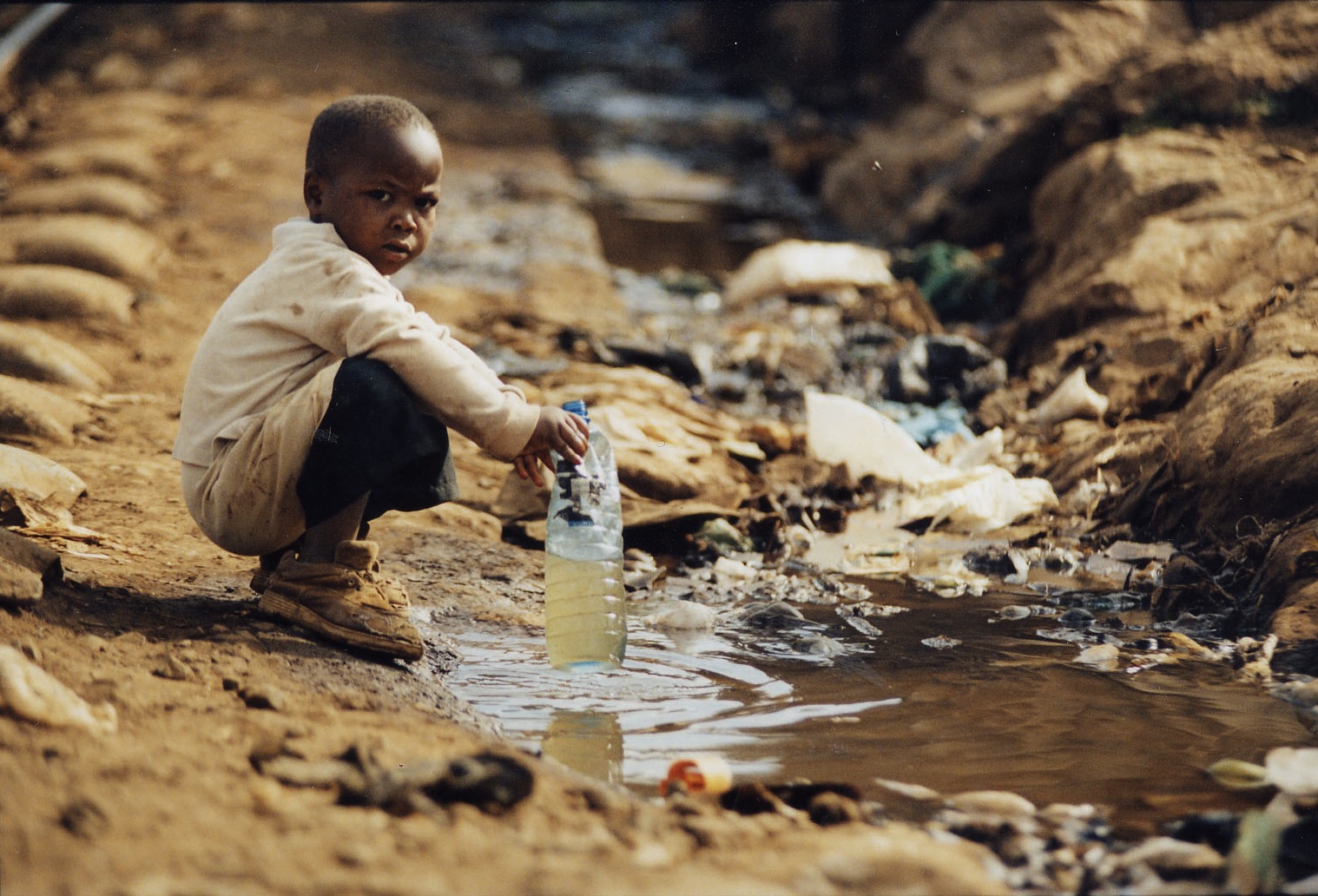 Which City In South Africa Has No Water at John Ledonne blog
Cultural reference: in the 1990s, the movie Erin Brockovich made everyone paranoid about hexavalent chromium. Today, that chemical is regulated tightly. The takeaway? Health scares drive better standards. You don’t need to live like a survivalist; just stay aware.
Practical Tips for Peace of Mind
Invest in a basin-end filter for drinking water—it’s cheaper than a whole-house system and removes 99% of common contaminants. For a deeper dive, buy a test kit for total dissolved solids (TDS). A reading under 100 is excellent; above 300 means it’s time to look into a reverse osmosis system.
Also, know your local water source. Is it from a river, a lake, or an aquifer? Each has quirks. River water tends to have more sediment; lake water has more organic matter; groundwater often has minerals. A simple Google search of “[your city] water source” answers more than you’d think.
Fun fact: the world’s largest desalination plant is in Saudi Arabia, producing billions of gallons daily. But your tap water—even if slightly funky—is far better regulated. You’re already winning.
The Viral Worry Trap
You see a headline: “Toxic Chemicals Found in 90% of Tap Water!” Panic sets in. Then you scroll deeper—it’s about PFAS, the “forever chemicals.” Yes, PFAS exist, but at trace levels in nearly all water sources. Think of it like microplastics in rain: a problem, but not an immediate one.
If you’re truly worried, the CDC and EPA have hotlines. Call them instead of Twitter. Your neighbors’ alarmism is not data. For context: you ingest more chemicals from a single organic apple than from a year of tap water. The apple is the hero; the water is fine.
Cultural reference: remember the Flint water crisis? That was a unique failure of government oversight, not a template for everywhere else. Most utilities are accountable and transparent. You can even visit your local treatment plant—they do tours.
A Reflection for Daily Life
Water anxiety is a privilege, really. It means you have access to clean, running water—something billions of people don’t have. The trick is to balance vigilance with gratitude. Instead of stressing every sip, use that energy to fix a leaky faucet or donate to a clean water charity.
Next time you fill your glass, pause for a breath. This simple act—turning a handle and getting a clear stream—is a luxury of modern civilization. And if you’re still worried? A filter, a test, and a call to your utility will quiet that noise. Now, go enjoy an iced tea; the water that made it is probably just fine.
