Rainwater Collection And Filtration System

Have you ever looked up at the sky during a downpour and thought, “What a waste all this free water is”? You are not alone. Collecting rainwater isn’t just for survivalists in...
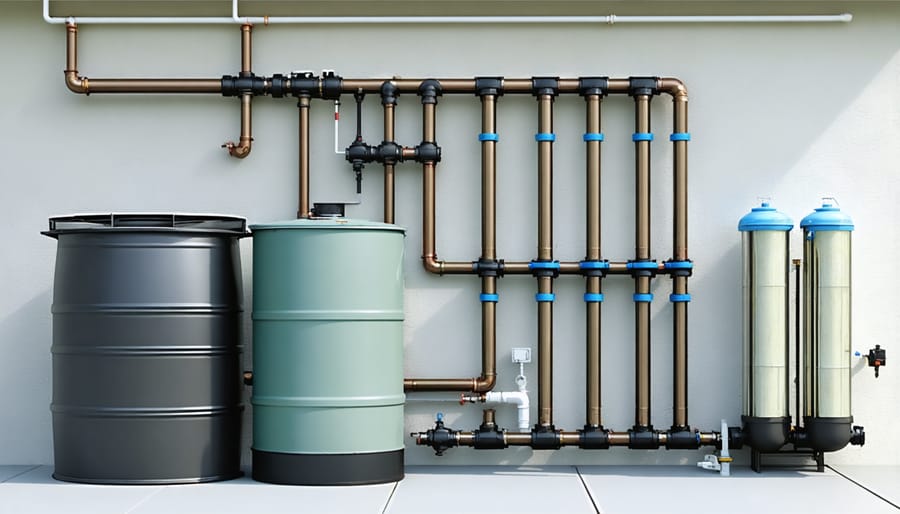
Have you ever looked up at the sky during a downpour and thought, “What a waste all this free water is”? You are not alone. Collecting rainwater isn’t just for survivalists in the woods; it is a surprisingly fun, savvy way to make your garden thrive and your water bill shrink.
Why you should care about what falls from the sky
Let’s be honest: your plants love rainwater. It’s softer than tap water, naturally free of chlorine and fluoride, and packed with dissolved nitrogen from the atmosphere. Think of it as a vitamin shot for your tomatoes, roses, and even your houseplants.
Plus, you are becoming a tiny stormwater manager! By catching rain, you prevent it from rushing into storm drains, picking up pollution, and flooding local creeks. It’s a mini-victory for the planet every time it rains.
Must Read
The simple joy of setting it up
Start with a rain barrel—you can buy one that looks like an old whiskey cask, or even a sleek modern cube. Park it under a downspout from your roof gutter, and you’re halfway there. For under $100, you’ve instantly got a free water source.
But here’s the kicker: you don’t want a mosquito hotel. So add a fine mesh screen over the top to keep out leaves and insects. And if you get fancy, install a “first flush” diverter—a simple pipe that discards the first five minutes of dirty roof water. Voilà! Cleaner water with zero effort.
The filtration game gets surprisingly fun
Wait—can you drink this stuff? Technically, yes, but only after serious filtration. For everyday garden use, you don’t need to. A simple gravity filter (think a nylon sock over your spigot) is enough to catch big debris.
If you want to get nerdy (and I promise it’s fun), build a slow sand filter in a five-gallon bucket. Layer gravel, sand, and activated charcoal, and watch murky rainwater trickle out crystal clear. It’s like a science experiment you can show off at barbecues.
For the ultra-ambitious, there are whole-house systems that use UV light and carbon filters—you can literally wash your car with rain and then drink it. But start small. Your plants won’t judge you for using a bucket.
How it makes life more fun
Collection becomes a game. You’ll start cheering for storms. “Finally! The barrel is half full!” Suddenly, you have a valid excuse to stand in the rain with a stopwatch, timing how fast the barrel fills. It’s oddly meditative.
 How to set up a rainwater filtration system the right way – Artofit
On a sunny day, you become the neighborhood hero. Your thirsty garden gets a drink while the neighbor’s hose runs dry. Plus, you save real money—a 55-gallon barrel captures over 600 gallons a year in most climates. That’s water you didn’t pay a cent for.
Watch out for the tiny pitfalls
Check your local laws—some places have restrictions on barrel size or usage (yes, it’s a thing, but usually they’re encouraging you). Also, your roof shingles matter: avoid asphalt if you plan to use the water on edibles, as chemicals can leach out.
And please, please: never collect water from a lead-soldered gutter or an old, corroded roof. That’s just common sense—like not drinking puddle juice.
The sky is your own personal reservoir
Here’s the uplifting truth: every time you fill that barrel, you are taking a small, joyful stand against water waste. You are dancing with the clouds, not just dodging them. And that feeling? It’s contagious.
So next time it rains, don’t just sigh. Run out, set a barrel under the spout, and imagine the free, fresh goodness pouring in. You are now a collector of sky-water. And honestly, what could be more inspiring than turning a gloomy shower into a garden’s best friend?
Go ahead—learn more about charcoal filters, serpentine downspouts, or bucket-sized UV purifiers. The rabbit hole is filled with rainbows. And your plants? They’ll be so grateful, they might just bloom a little harder. Cheers to the rain.
