Portable Water Softener For Washing Cars

Last Saturday, I stood in my driveway with a bucket, a sponge, and a dream. The dream was for my sedan to finally look less like a salt-encrusted potato. After an hour of scru...
Last Saturday, I stood in my driveway with a bucket, a sponge, and a dream. The dream was for my sedan to finally look less like a salt-encrusted potato. After an hour of scrubbing, the car was wet but covered in white, chalky spots that looked like a bad case of dandruff.
I actually yelled at my hose. “Why are you doing this to me?” The hard water minerals had won again, leaving behind a crusty film that made my “clean” car look worse than before. That’s when my neighbor, a guy who parks a vintage Mustang under a tarp, walked over and laughed.
“Dude,” he said, pointing at my spots, “you need a portable water softener for washing cars. It’s not a luxury. It’s survival.” And just like that, my entire car-washing philosophy collapsed. I’d been fighting the water, when I should have been softening it.
Must Read
What is this magic box?
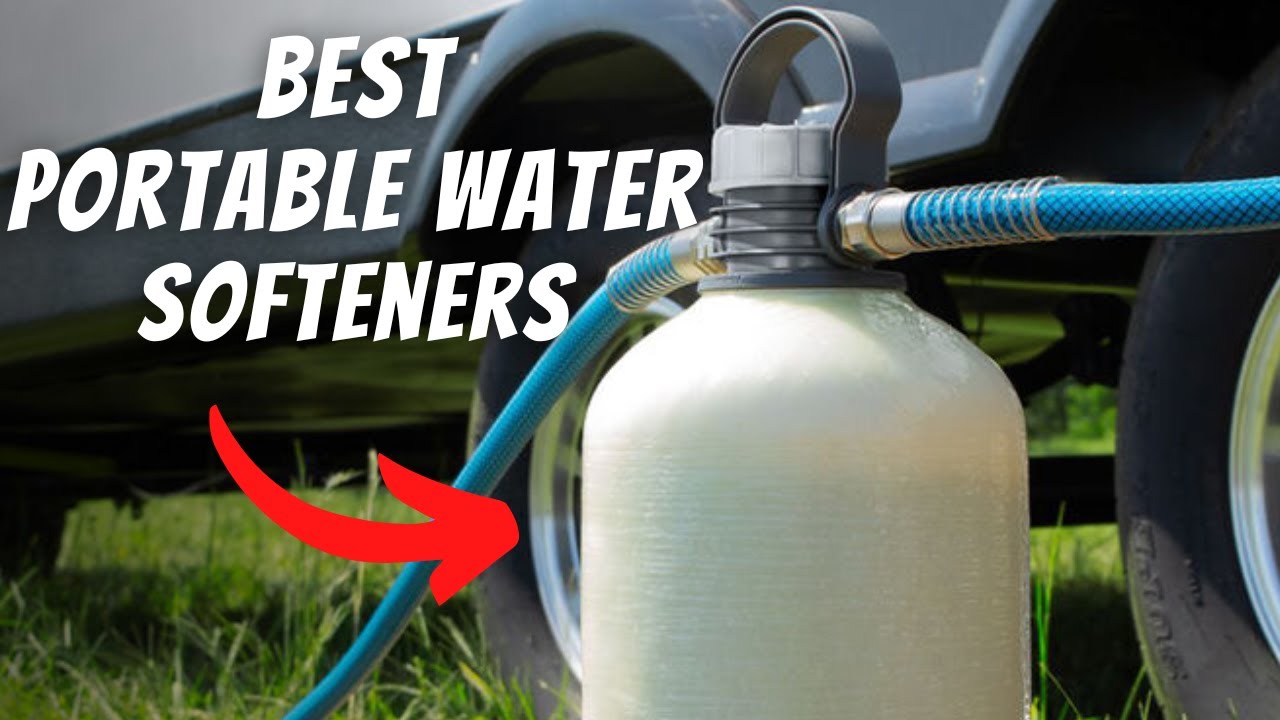
Think of a portable water softener as a tiny, mobile spa for your water. It’s a resin-filled canister that sits between your garden hose and your spray nozzle. The resin pulls out the calcium and magnesium—those jerks that cause hard water—and swaps them for sodium.
The result? Water that feels different. It’s silkier, and it doesn’t leave behind those angry white deposits. You fill the canister, hook it up, and suddenly your hose is dispensing bottled-water-level purity. Yes, it’s that simple. (And yes, I was mad I didn’t buy one sooner.)
The spot-free promise (and why it’s real)
Here’s the dirty little secret of traditional car washing: even if you dry the car perfectly, hard water leaves micro-minerals that etch into the paint. Over time, your clear coat looks foggy, like you’re viewing the world through a dirty contact lens.
A portable softener eliminates that. When you rinse, the water sheets off without beading into droplets that dry into spots. You can literally let the car air-dry and it stays shiny. I tested this last weekend, and my son asked if I’d gotten a professional wax job. I didn’t correct him. Let him believe I’m a wizard.
But isn’t this just for geeks?
No way. If you live anywhere with hard water—which is basically 85% of the US—this thing is a game changer. It’s not about being obsessive; it’s about not wasting your Saturday scrubbing off water stains. You don’t need to be a detailer to hate spots.
Portable units are small. We’re talking the size of a large water bottle or a small fire extinguisher. You toss it in your trunk, drive to a friend’s house, and hook it up. It’s like carrying a secret weapon against bad water. “Hey, can I wash my car here?” becomes a fun party trick.
How long does one canister last?
Great question, and the answer depends on your water’s hardness and the size of the unit. For a typical portable softener (about 12 inches tall), you can wash three to five cars before the resin needs “recharging.” Recharging just means soaking it in salt brine overnight.
 6 Best Portable Water Softener Reviews (August 2026)
That sounds like a chemistry experiment, but I promise it’s easier than making pasta. You buy a bag of table salt, mix it with water, and let the resin sit. Next morning, it’s ready to punish hard water again. Also, you can buy pre-charged replacement cartridges if you’re too lazy to DIY. No judgment.
What about the cost? (Spoiler: It’s less than therapy)
A decent portable water softener runs between $60 and $150. Compare that to a single visit to a touchless car wash ($15) or a pro detailing ($100+). If you wash your car six times a year, the softener pays for itself in one season. Plus, you avoid the psychological damage of watching a brand-new sponge turn crusty.
I bought mine for $85. After the first wash, I calculated my “cost per spot-free panel” and felt like a fiscal genius. Also, I now wash my car just to hear the water sheet off. It’s an ASMR thing. Don’t judge me.
Real talk: The downsides (because I’m honest)
First, slower flow rate. The resin restricts water a bit—like drinking a milkshake through a thin straw. You won’t get fire-hose pressure. That’s fine for rinsing, but if you’re impatient, it might annoy you.
Second, you need a water source nearby. Portable units don’t generate water; they just soften it. So if you’re off-grid in a desert, this won’t help. Also, if you forget to recharge the resin mid-wash, you’ll be left with hard water again. I’ve done that. I cursed. I learned.
Is it worth it for a weekend warrior?
Absolutely. If you’re someone who washes your car once a month and wants it to actually look clean when you’re done, stop hesitating. The portable water softener isn’t a gimmick. It’s the difference between a car that says “I was just washed” and one that says “I was just rinsed with hard feelings.”
So buy one. Hook it up. Watch the water slide off like butter on a hot skillet. Then send me a photo of your spot-free hood. I’ll know you’ve joined the soft water cult. Welcome.
P.S. — You can also use it to rinse your windows and patio furniture. Don’t tell anyone. It’s our secret.
