How Often To Add Salt To A Water Softener

So, you’ve got a water softener. Congratulations! You’re now the proud owner of the smoothest water south of a baby’s bottom. But there’s one nagging question: how often do yo...

So, you’ve got a water softener. Congratulations! You’re now the proud owner of the smoothest water south of a baby’s bottom. But there’s one nagging question: how often do you need to feed it salt? Don’t worry, it’s not like caring for a picky houseplant. Let’s chat about it, friend to friend, without any of that boring manual-speak.
The Simple Truth: It’s Not a Calendar Thing
Forget marking your fridge calendar. The real answer is: check the salt level every four to six weeks. But wait—that’s not a hard rule. It’s more of a friendly reminder, like when your phone buzzes to say “drink water.” I promise, this is easier than staying hydrated.
Why the flexibility? Because your water softener is a diva. It demands salt based on your household’s water usage. If you’ve got five teenagers who take hour-long showers, you’ll be adding salt more often. If it’s just you and a cat who hates baths, you’re in for a longer stretch.
Must Read
Think of it this way: you’re not feeding a pet, you’re managing a salty spa. And who doesn’t love a spa day, even for appliances?
How to Know It’s Time (Without a PhD in Plumbing)
The best indicator is your eyes—yes, those things above your nose. Look inside the brine tank. Pop the lid like you’re checking on a simmering pot of soup. Is the salt level below the water line? Are you seeing more water than salt? If so, it’s time to add some.
Another clue: your water starts feeling a bit squeaky. You know the feeling—that weird, “did I rinse the soap off?” sensation on your skin. That’s hard water sneaking back in. Your softener is basically sending you a text message made of bad hair days.
And if you hear the system making a weird grinding noise, don’t panic. That’s just it saying “feed me, Seymour!” It’s not a horror movie; it’s a gentle reminder.
Pro Tip: The “Half Full” Rule
Here’s a secret the fancy manuals won’t tell you. Aim to keep the tank at least half full of salt. Not overflowing like a cereal bowl, not bone-dry like your motivation on a Monday. Half full is the sweet spot. It’s like having a backup coffee stash—you’re never caught off guard.
If you let it go completely empty, you’re in for a chore. You’ll have to break up huge salt “bridges” that form (think of a salty igloo inside your tank). Nobody wants to wrestle an igloo. Trust me. Just keep it half full, and you’ll avoid that workout.
What Happens If You Add Too Much Salt?
Nothing catastrophic, honestly. It’s not like you’ll explode your house. If you overfill, the excess salt simply won’t dissolve. It sits there, plotting, until your softener cycles again. It’s wasteful, like buying too many avocados. But it won’t ruin anything.
However, if you add salt too often, you might see a mushy “salt bridge” form. That’s when the salt clumps into a solid crust on top. It looks cool, like a fake desert landscape, but it stops new salt from reaching the water. Just whack it with a broom handle—easy fix.
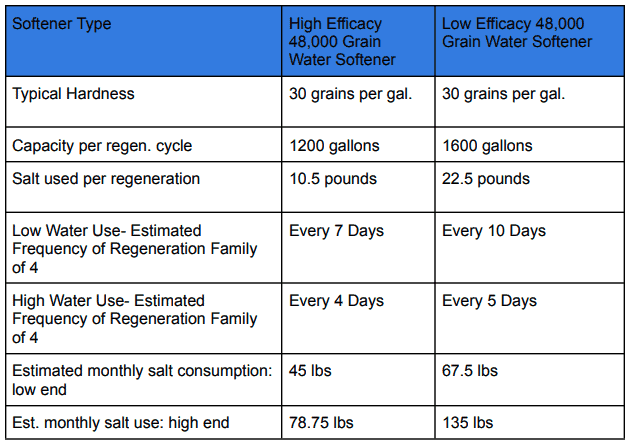 How Often to Add Salt to Your Water Softener | Team Austin
So don’t stress. Your softener is tougher than you think. It forgives your overfeeding like a forgiving grandmother at Thanksgiving.
Seasonal Surprises (Yes, Salt Has Seasons)
Here’s a curveball: your salt usage changes with the seasons. In summer, you might shower more, wash more sandy towels, and fill the pool. You’ll use more salt then. Winter? Everyone’s indoors, sweating less, and your machine takes a nap. Adjust your checking schedule accordingly.
Think of it like your laundry load—some months it’s a mountain, some months it’s a molehill. Your softener feels the same way. It’s not high-maintenance; it’s just responding to your chaotic life.
Also, if you have a high-efficiency softener, it might only regenerate once a week. Check your manual (snooze, I know) or just peek in the tank more often until you get a rhythm.
The Final, Foolproof Method
Okay, here’s the only rule you need to remember: Add salt when the tank looks less than half full. Period. No spreadsheets. No apps. No paying a neighbor’s kid to check it. Just a quick glance every month or so. If your water feels silky and your dishes sparkle, you’re winning.
And if you forget for two months? Life goes on. You’ll get a few days of hard water until you refill. It’s not a crisis; it’s a gentle nudge from the universe to pay a little attention. Then you add salt, and bam—silky hair returns. Like magic, but cheaper.
So relax. You’ve got this. Your water softener is a patient friend, not a demanding boss. Keep it half full, listen for grumbles, and enjoy that gloriously slippery feeling when you step out of the shower. You’re doing great.
A Little Uplifting Conclusion
See? That wasn’t scary. Salt is simple. You are capable. And now your water will be so soft, you’ll want to hug your pipes. (I do. It’s weird, but we’re friends now, so I can admit that.)
So go ahead, check your brine tank today. Give it a little love. And the next time someone asks, “how often do you add salt to your water softener?” you can smile, wink, and say, “Whenever it looks lonely.” Because it’s not about a schedule. It’s about caring enough to notice. And you, my friend, are the kind of person who notices the little things. That’s what makes you awesome. Now go enjoy your ridiculously soft water—you’ve earned it.
