Chlorine Tablets For Water Storage Tanks

So, you’ve got a water storage tank. Maybe it’s for your RV, your garden, or that emergency kit you built after watching one too many disaster movies. Either way, you want tha...
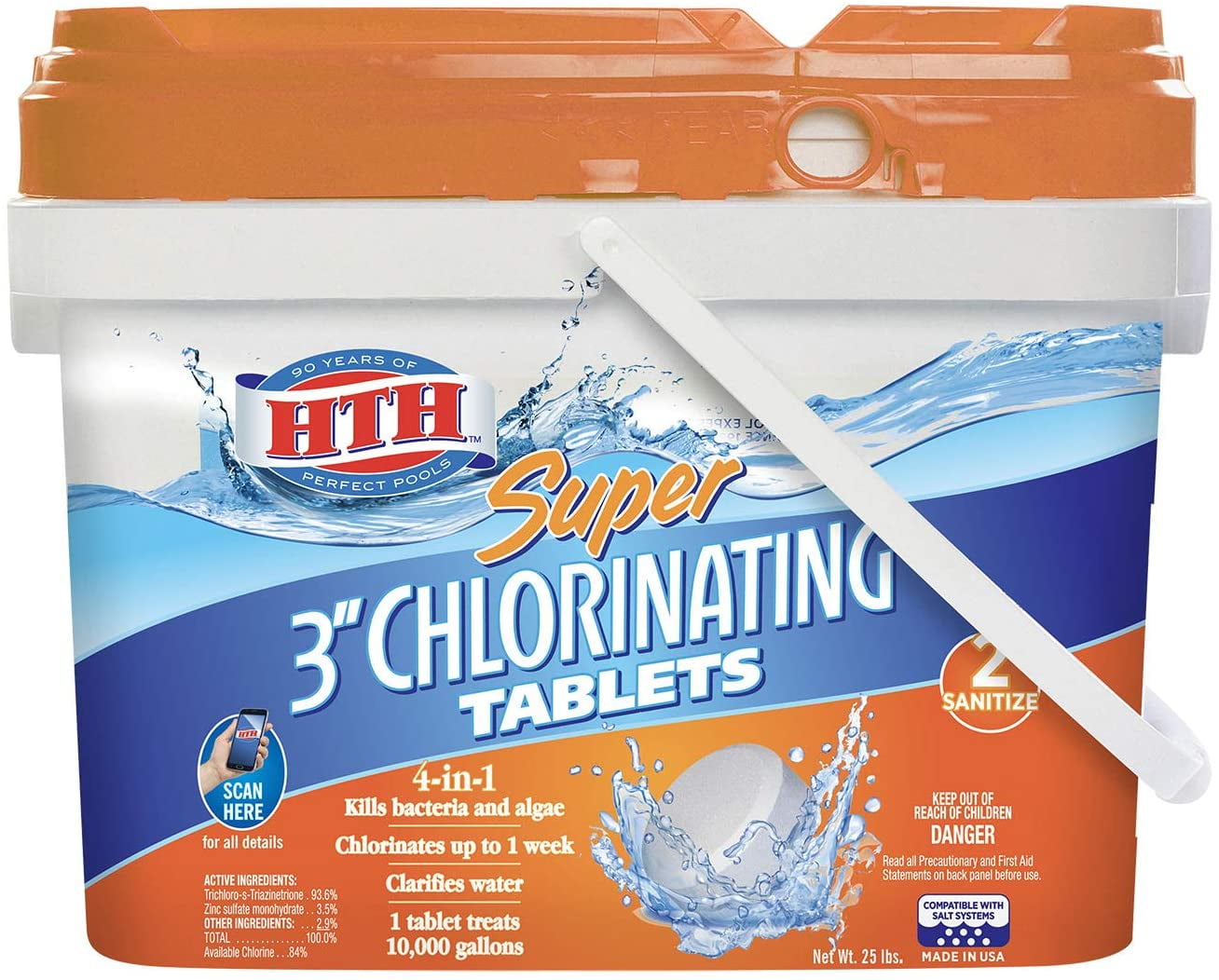
So, you’ve got a water storage tank. Maybe it’s for your RV, your garden, or that emergency kit you built after watching one too many disaster movies. Either way, you want that water to stay crisp and drinkable, not like a swamp experiment. Enter chlorine tablets—the little white soldiers of clean water.
Think of them as microscopic bouncers for your tank. They kick out bacteria, viruses, and any uninvited algae trying to throw a pool party. Without them, your water can turn into a science project you really don’t want to drink. Trust me, I’ve smelled “stagnant tank water” once, and my nose filed a complaint.
Why Chlorine Tablets? (And Not Something Fancy?)
You might be thinking, “Can’t I just boil it all or buy a $500 filter?” Sure, you could. But chlorine tablets are the low-effort, high-reward hero of water storage. They’re cheap, they last forever in a dry jar, and they work while you nap.
Must Read
One tablet can treat hundreds of gallons depending on the size. That’s like getting a personal butler for your water—except this butler doesn’t complain about your questionable playlist. Plus, no electricity needed. Perfect for off-grid life, camping trips, or just feeling like a survivalist while you water your tomatoes.
How to Use Chlorine Tablets Without Blowing Up Your Tank
First, read the label. I know, labels are boring—they’re the exhibit A of “adulting.” But each tablet type has a dosage. A common rule is 1 tablet per 100 gallons for maintenance. For initial treatment (like if your tank’s been sitting for months), double it. Seriously, don’t guess.
Drop the tablet into the tank, or use a chlorine feeder if you’re fancy. A feeder is a little tube you hang inside the tank that slowly dissolves the tablet. Without one, the tablet will just settle at the bottom like a grumpy rock. That’s fine for small tanks—just give it a swish with a clean stick.
Pro tip: Never use pool chlorine tablets. They contain stabilizers like cyanuric acid that turn your drinking water into chemical soup. Stick to potable water chlorine tablets—they’re lab-tested, so you won’t grow a third ear.
Common Mistakes (That I Totally Made So You Don’t Have To)
Mistake one: forgetting to circulate. Chlorine doesn’t teleport. If you just drop a tablet in and walk away, the top layer stays fresh, but the bottom becomes a bacterial nightclub. Run your pump or stir the water after adding the tablet. Your tank will thank you.
Mistake two: over-treating. Too many tablets and your water smells like a public pool. That’s safe to drink, but it’s also gross. And your friends will mock you. “What’s that, a water tank or a chemical lab?” Aim for a faint chlorine smell—just a whisper.
Mistake three: using old tablets. They have a shelf life, usually about 5 years in a cool, dry place. If your tablets are dusty or crumbly, they’ve lost their superpowers. Replace them. No one wants expired superheroes.
A Quick Reality Check: Chlorine Taste and Smell
So you treat the tank, and later the water tastes like a swimming pool. Relax. Let the water sit in an open jug for 10 minutes. The chlorine will evaporate, and the taste fades. Or use a charcoal filter—that’s like a magic eraser for flavor.
And hey, a little chlorine smell means it’s working. No smell? Your tank might be growing things you can’t pronounce. Trust the science, not your nose’s dramatics.
When to Reach for the Tablets (And When to Run Away)
Use them: every time you fill a new tank. Also after a flood, after you’ve stored water for more than 6 months, or if the water looks cloudy (that’s not “artisanal sediment,” it’s trouble).
 Safe Chlor Tab 1000 | Chlorine Tablets for Water Tanks of 1000 Ltrs
Don’t use them: if you’re storing water for medical use, like dialysis or baby formula. In that case, use distilled or boiled water. Chlorine is great for general hydration, not for sensitive medical gear.
Also, skip tablets if your tank is metal—chlorine can corrode steel. Stick to food-grade plastic tanks. That’s the gold standard for safe storage.
Does Chlorine Kill Everything? (Spoiler: Almost)
Chlorine is a broad-spectrum destroyer. It annihilates bacteria, viruses, and most parasites. But it’s not a hit-man for protozoa like Cryptosporidium—that little beast needs UV light or boiling. So if your water source is a muddy river, you’ll need a multi-step plan. But for municipal or well water? Chlorine tablets are the onion of protection: layer on layer of safety.
Think of tablets as your water’s first line of defense, not the entire army. Pair them with a clean tank, a tight lid, and maybe an annual scrub. Your future self will be grateful when you’re sipping crisp water after a power outage.
The Lighter Side: How to Bond with Your Water Tank
Give your tank a name. I call mine “Tanky McTankface.” It makes maintenance more fun. “Time to give Tanky a tablet, buddy!” Sounds less like chores and more like a spa day.
And don’t worry about fussing with measurements—most tablets come pre-dosed. You’re basically just playing magic laundry pod for water. Drop, wait, enjoy. Easy peasy.
Seriously, if you can drop a mint into a drink, you can treat a water tank. You’ve got this.
One Last Tip (Please Don’t Skip)
Write the date you treat the tank on a sticky note. Tape it to the side. Future-you will be confused without it. “Did I add chlorine or did I just think about it?” That moment of doubt is a one-way ticket to biofilm city.
Color code your tablets too. Buy a separate bottle for tank treatment, and one for pool use. I once dropped a pool tablet into my drinking water tank. The water smelled fine, but I felt cursed for a week. Don’t be like me.
The Uplifting Conclusion (You Made It!)
So here we are: you now know how to turn a potentially scary tank of stale water into a fresh, life-giving resource. Chlorine tablets are like the quiet, reliable friend who shows up when you need them—no drama, just clean water. Every time you unscrew that tank lid and see clear, safe water, pat yourself on the back. You did that. You’re a water wizard.
And remember, a little chlorine goes a long way. It’s the difference between “emergency rations” and “hey, this is actually delicious.” So go ahead—be the hero of your own water story. Your tank is counting on you. And when the zombies come (or just a thirsty camping trip), you’ll be sipping cool, crisp water with a grin. You’ve got this, water warrior.
