Humidifier Bacteriostatic Treatment Safe

Let’s be honest: you bought that humidifier with the best of intentions. You pictured a serene, spa-like oasis in your bedroom, not a science experiment gone wrong. But then y...
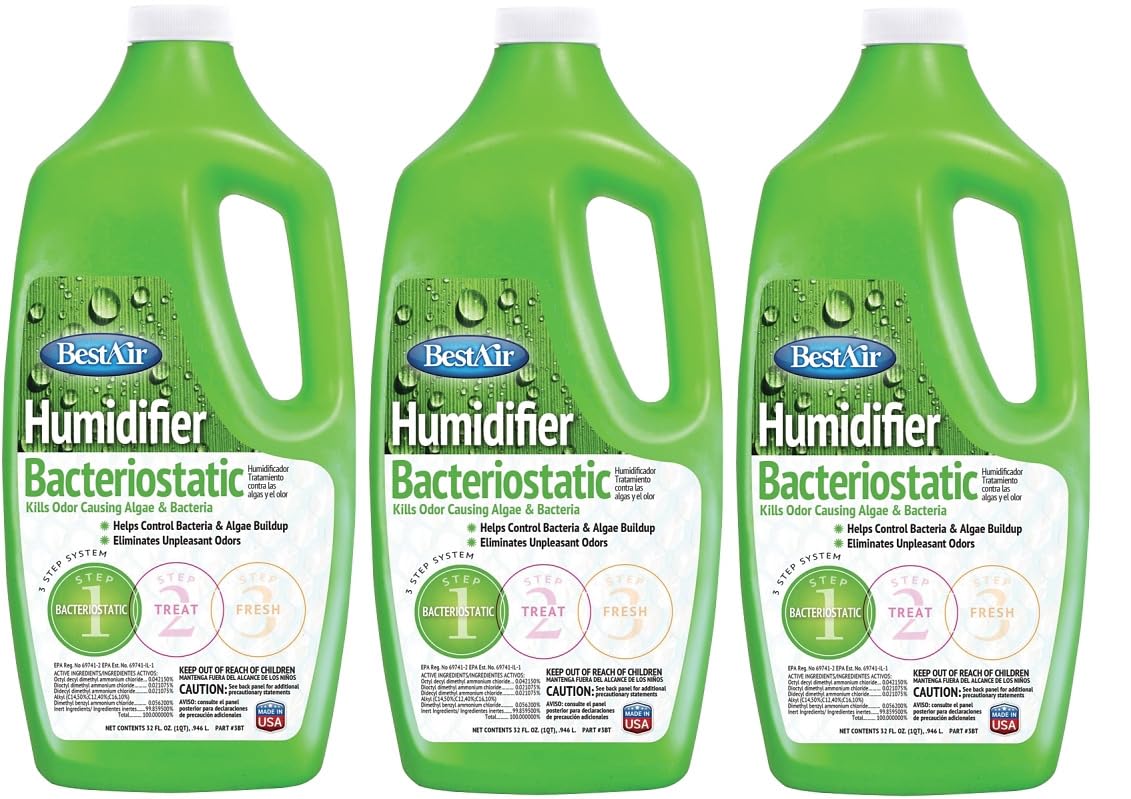
Let’s be honest: you bought that humidifier with the best of intentions. You pictured a serene, spa-like oasis in your bedroom, not a science experiment gone wrong. But then you forgot to clean it for a week, and suddenly it’s puffing out a fine mist that smells like your gym socks after a marathon.
That’s the moment you realize your “moisture miracle” has turned into a petri dish with a fan. And nobody wants to breathe in invisible bacteria that sounds like a rejected boy band name: “The Mucous Membranes.”
Why Your Humidifier Throws a Tantrum
Every time you fill that tank with tap water, you’re basically throwing a pool party for microbes. They love the dark, the warmth, and—let’s face it—your sheer neglect. It’s like leaving a pizza box out in August and being surprised when mold starts a dance club.
Must Read
The worst part? You’re the one who has to break it to your friends that the “cool mist” is actually a fog of tiny villains. Your humidifier doesn’t mean to be a jerk—it’s just a really good ecosystem for things you can’t see.
Enter the Bacteriostatic Treatment (a.k.a. The Bouncer)
Here’s where we get to the good stuff. Bacteriostatic treatment is like hiring a tiny, invisible bouncer for your humidifier’s water. It stops the bad guys from reproducing without having to kick anyone out violently. Think of it as the polite “no dancing on tables” sign for bacteria.
You usually find these treatments as little cartridges, liquid drops, or pre-treated wicks. They work by making the water a lousy place for microbes to raise a family. It’s the difference between a swamp and a swimming pool—both are wet, but only one is safe for your face.
But Is It Safe for You?
This is the million-dollar question, and the answer is a very relieved “yes”—with a few side-eyes. Most commercial bacteriostatic agents use silver ions or copper zinc compounds. These are the same materials used in water filters and even some medical bandages.
Your body is actually pretty good at ignoring these tiny particles because they’re not toxic in small amounts. You’re more likely to get a shocking electricity bill than a case of metal poisoning from a well-made treatment. Just don’t chug the bottle—that’s not on the instructions, and you’re not a lab rat.
The real risk comes from not using any treatment and letting your humidifier grow a fur coat of slime. Breathing in that gunk can cause coughing, allergies, or that vague “I feel icky” sensation you get after a night of bad decisions and cheap pizza.
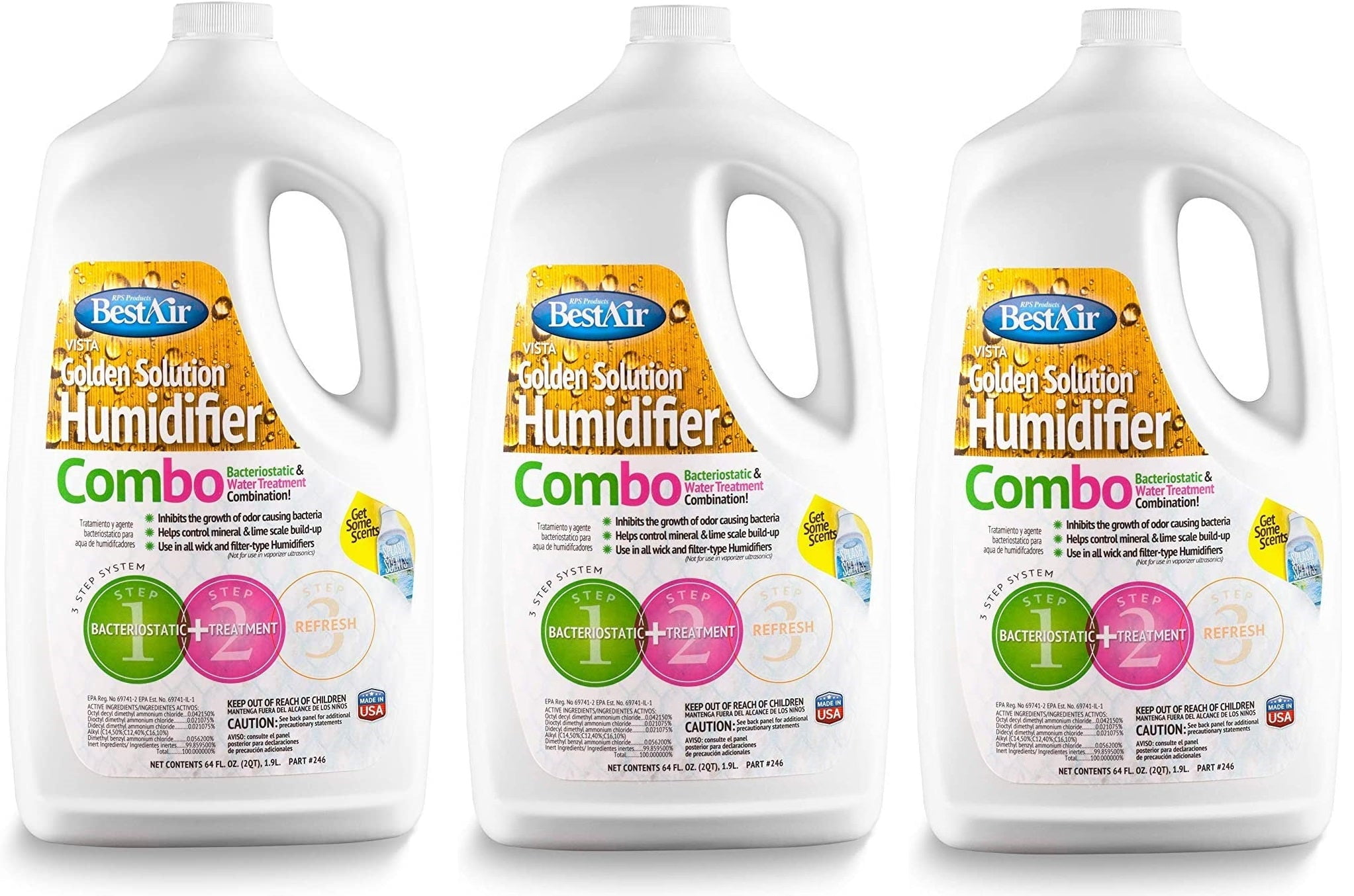 Best Air 246-PDQ 64 oz Bottle Of Golden Solutions Bacteriostatic
How to Use It Without Losing Your Mind
First, read the manual. Yes, the one you threw in the drawer with the dead batteries. Some humidifiers are fussy about certain treatments—they’re like cats that demand specific water bowls. If you have a warm mist model, skip the oils and stick to the bacteriostatic stuff.
Second, don’t overdo it. More drops doesn’t mean safer—it means you’ll have a sterile, angry, and possibly weird-smelling cloud. It’s like putting hot sauce on everything until you can’t taste food anymore. Follow the dose, and your nose will thank you.
Third, combine it with a basic routine. Even the best bouncer can’t clean up after a massive party. Empty the tank every few days and give it a quick scrub with a soft brush and a little white vinegar. That’s it. You’re not a maintenance wizard; you’re just a person who doesn’t want to inhale pond water.
The Verdict: Is It Worth It?
If you’re the type of person who sets a timer to water your plants but forgets to drink water yourself, then yes. Bacteriostatic treatment is your safety net. It buys you time between cleanings and keeps the slime at bay while you binge-watch that show you pretend you don’t like.
If you’re a neat freak who scrubs your humidifier with a toothbrush every Sunday, you might not need it. But let’s be real: you probably have better things to do, like watching funny dog videos. We’re all just trying to avoid coughing up a lung in the comfort of our own homes.
So go ahead. Add the drops. Swap the cartridge. Give your humidifier a fighting chance. Your lungs—and your nose—will appreciate that you’re not trying to turn your bedroom into a swamp. And honestly, that’s a win for everyone involved, including the bacteria you’ve politely evicted.
