Commercial Water Filtration System For Sale

You know that moment when you take a sip of tap water and it tastes like you’re licking a swimming pool? Yeah, we’ve all been there. It’s the kind of flavor that makes you que...

You know that moment when you take a sip of tap water and it tastes like you’re licking a swimming pool? Yeah, we’ve all been there. It’s the kind of flavor that makes you question everything—your plumbing, your city’s infrastructure, and maybe even your life choices. But here’s the good news: you don’t have to live in a perpetual state of bottled-water guilt. A commercial water filtration system for sale isn’t just a piece of industrial hardware; it’s the upgrade your daily hydration ritual has been begging for.
Let’s be real: water is the unsung hero of every coffee shop, restaurant, and home bar. Whether you’re brewing pour-over coffee or mixing cocktails for friends, the quality of your water can make or break the vibe. A decent filter removes chlorine, sediment, and that weird metallic aftertaste, leaving you with water so crisp it feels like a luxury. Think of it as the difference between listening to music on a tinny phone speaker versus vinyl on a vintage record player. Your taste buds will thank you, and so will your espresso machine.
Some folks assume commercial filtration is only for huge businesses, but that’s like saying you need a celebrity chef to enjoy a good steak. Actually, many under-sink and countertop models are compact enough for a busy home kitchen or a small café. You don’t need a warehouse; you just need a little plumbing savvy and a desire to stop buying plastic jugs. Fun fact: the average family that switches to a filter saves around 1,500 single-use plastic bottles per year. That’s roughly the same as not filling a kiddie pool with waste every twelve months.
Must Read
Why Your Water Deserves a Makeover
Here’s a cultural throwback: remember the 1990s film Flirting with Disaster, where the characters keep trying to find perfect water? It’s hilarious because it’s true—we’re all a little obsessed with H2O. But modern filtration isn’t about being a snob; it’s about health, taste, and convenience. A good system can reduce lead, chlorine, and volatile organic compounds, which is especially crucial if your home was built before 1986.
Practical tip: look for systems with certification from NSF International or the Water Quality Association. Those little logos aren’t just marketing fluff—they mean the filter actually does what it promises. And don’t freak out about installation; many models are DIY-friendly, with quick-connect hoses and color-coded cartridges. You’ll feel like a suburban MacGyver, minus the duct tape.
Another fun fact: the world’s largest water filtration plant is in Chicago, processing over 700 million gallons daily. Your home system won’t be that epic, but a commercial-grade unit can handle high flow rates without breaking a sweat. That means you can fill a pitcher, run a dishwasher, and water your basil plant all at once without a pressure drop.
The Cool Factor: Filtering as a Lifestyle
Let’s talk about the aesthetic pull. A sleek, brushed-steel filtration system mounted under your sink is like a secret weapon—it’s invisible until someone asks, “Why does your water taste so good?” Then you get to casually explain how you’ve leveled up. It’s the kitchen equivalent of having a hidden wine cellar or a vintage Polaroid camera. Low-key flex, high-impact results.
You can even pair it with a modern glass carafe for serving. Fill it with filtered water, toss in some cucumber slices and mint, and boom—you’re hosting like a Parisian bistrot. No plastic bottles, no weird aftertaste, just crisp, clean vibes. Your friends will think you subscribed to some exclusive hydration membership.
Practical tip: change your filter cartridges every six to twelve months, depending on usage. Set a calendar reminder, or just tie it to Daylight Saving Time—when you change the clocks, change the filter. It’s a memory hack that’s almost as satisfying as finally organizing that junk drawer.
From Cost to Investment
Sure, a commercial water filtration system has an upfront cost—anywhere from a few hundred to a couple thousand dollars. But let’s do the math: if you’re buying bottled water for your family of four at about $1 per bottle, you’re spending over $1,400 a year. A filter system pays for itself in 12 to 18 months, especially if you also factor in the savings on coffee machine repairs (hard water is a silent killer for espresso gear). Think of it as investing in your future sanity and your morning latte.
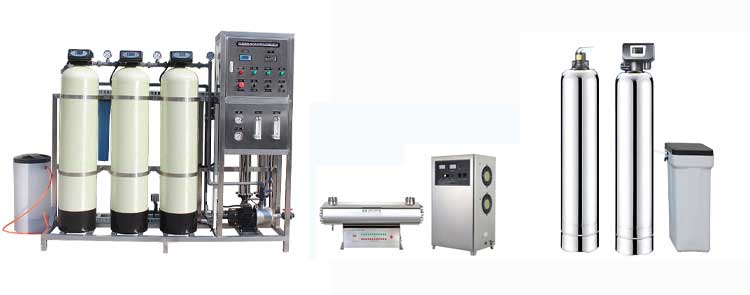 Commercial Water Filtration System - Guangzhou Chunke Environmental
And let’s not forget the cultural shift. From Portlandia’s skits about artisanal water to the rise of “water sommeliers,” the world is getting very particular about its hydration. Why not join the movement without the pretentious price tag? A solid system gives you that bragging right without the hipster irony.
Still on the fence? Consider this: many commercial systems come with lifetime warranties on the housing unit. That’s basically a relationship contract with your appliance. It’s like having a trusty pair of jeans that never fade—reliable, rugged, and always ready for a soda or a glass of Chardonnay.
A Quick Checklist Before You Buy
Before you click “add to cart,” measure your under-sink space. Some units need about 12 inches of clearance and a dedicated tap hole. Also, check your local water quality report (yes, those exist; they’re oddly fascinating). If you have high sediment, you might need a pre-filter.
Don’t be shy about asking the seller about GAC (granular activated carbon) versus carbon block filters. Carbon block generally removes more contaminants, but GAC is better for high flow. It’s like choosing between a sports car and an SUV—both get you there, but one handles curves better.
And finally, read the reviews. Look for comments about “ease of cartridge replacement” and “water pressure after install.” Real user feedback is gold—more valuable than a Yelp review of a taco truck. Trust the hive mind.
Reflection: The Water We Share
At the end of the day, a water filtration system isn’t just about pipes and microns. It’s about the moments we take for granted—a glass of water shared after a run, a pot of tea poured for a friend, or a family dinner where the ice cubes dance without that funky smell. Good water makes those moments feel intentional, not accidental.
So go ahead, give your tap the upgrade it deserves. You’re not just buying a machine; you’re choosing to hydrate with a little more grace. And honestly, isn’t that what daily life is all about? Finding small luxuries that make the ordinary feel extraordinary. Cheers to that.
