How Do You Shut Off The Water To Your House

So, picture this: you’re standing in your kitchen, a pipe bursts, and water is spraying everywhere like a rogue lawn sprinkler at a garden party. Panic mode, right? But what i...
So, picture this: you’re standing in your kitchen, a pipe bursts, and water is spraying everywhere like a rogue lawn sprinkler at a garden party. Panic mode, right? But what if I told you that knowing one simple move—shutting off your home’s main water valve—makes you feel like a superhero without a cape? It’s honestly one of the coolest, most empowering bits of home know-how you can pick up. Let’s dive in, nice and easy, because you totally got this.
The “Where in the World is My Valve?” Mystery
First, you gotta find the thing. The main water shut-off valve is usually hiding in plain sight, like a ninja in a boring room. Think basement, crawl space, or garage, along the wall that faces the street where your water meter lives. Ever looked under your sink at that tiny knob? That’s for the sink alone—we’re hunting the big boss valve, the one that controls everything, from your toilet to your washing machine.
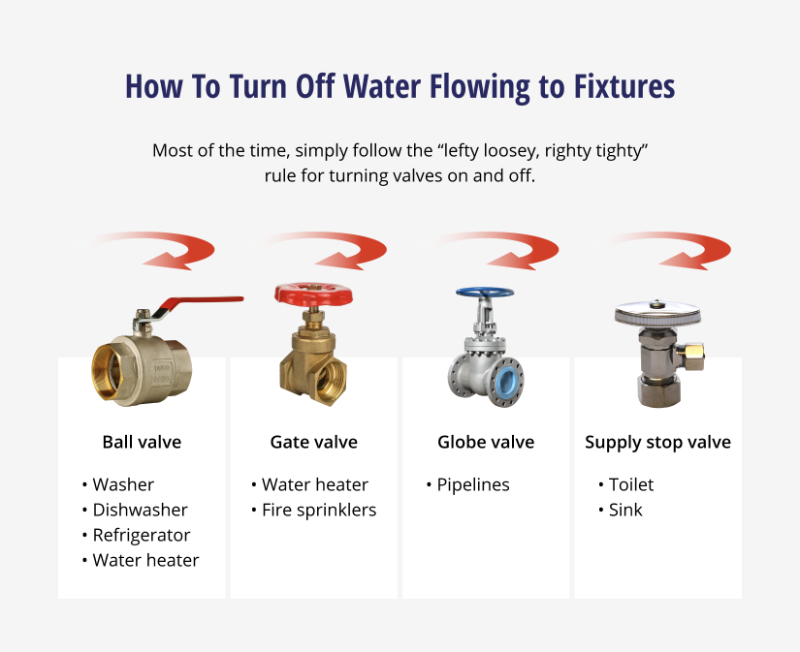
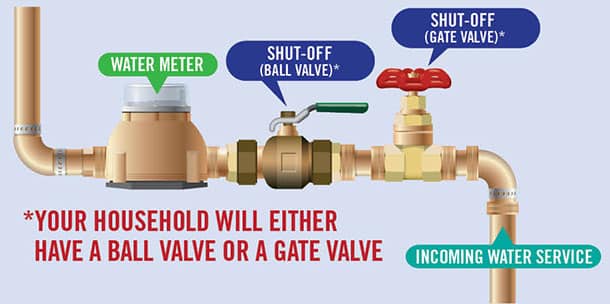
If your house is on a slab foundation, check near the water heater or where the main pipe enters the house, maybe in a utility closet. Pro tip: this is like a treasure hunt, so grab a flashlight. Your valve will look like a round wheel (think an old-school ship’s wheel) or a straight lever handle (like a metal stick). Knowing exactly where it is now saves you from a soaked rug later.
Must Read
Wheel vs. Lever: The Showdown
You’ve found it—now what? If you’ve got a wheel handle, it works like a faucet: turn it clockwise (righty-tighty) until it stops. Think of it as tightening a stubborn jar lid, but you’re winning instead of making pickles. For a lever handle, you’re looking for a 90-degree turn so the handle sits perpendicular (across the pipe). When it’s parallel to the pipe, water is free—like a party streamer. Crossed? That’s your “no entry” sign, and the flow stops.
Don’t force it if the valve is old and grumpy. A little WD-40 can be your best friend here—spray, wait, then try again. Remember, these valves aren’t used often, so they sometimes get stiff, like a rusty robot. Be gentle but firm, and you’ll hear a satisfying thud as the insides close off.
Why This is Actually Super Fun
Alright, hear me out. Knowing how to do this is like having a secret cheat code for your house. It turns emergencies into manageable moments—you’re not a victim of a leak; you’re the one in charge. Think of it as the off switch for the entire water system, like unplugging a giant appliance before it explodes. Makes you feel powerful, doesn’t it?
Plus, it’s a great party trick. Seriously, next time a friend mentions a plumbing disaster, you can casually say, “Oh, you just gotta find the main and turn it clockwise.” They’ll look at you like you’re a wizard. And really, isn’t that the dream? To be the calm, capable person who knows where the keys to the castle are?
 Water Shutoff Valve: Everything You Need To Know | Pete The Plumber
The “What If It’s Stuck?” Game Plan
Here’s the real talk: sometimes that old knob won’t budge. Maybe it’s crusted with mineral deposits like a prehistoric fossil. Don’t panic—just grab a pair of pliers or a pipe wrench for more leverage. Wrap the handle in a cloth first to avoid scratching or snapping it. If it’s a lever, sometimes a gentle tap with a hammer can break the corrosion, but only tap gentle.
Worst-case scenario? Call a plumber to replace the valve. But here’s the golden nugget: before you need it, test it out today. Go find it, turn it off for 30 seconds, then turn it back on. Like giving your house a little workout. This way, you’re not fighting a stubborn valve during a flood—you’re just repeating a move you’ve already practiced.
Bonus Round: The Outside Version
Wait, what if you can’t find anything indoors? Some homes, especially in warmer climates, have the main valve outside, near the street, buried in a plastic or metal box in the ground. That’s your “curb stop.” You might need a special tool (a water key) or a long screwdriver to turn it. It’s basically the master control—but be warned: never use this unless you really have to, because you might need your local water company’s permission. The indoor valve is your friendly, accessible hero.
So go wander your basement or garage for five minutes. Find that valve. Give it a gentle test. Maybe even tell your family, “Hey, look what I can do!” It’s not just plumbing—it’s a superpower. And honestly, who doesn’t want to feel like a superhero over a simple twist of a handle?
