Can You Reduce Forever Chemicals In Your Body

Last month, my friend Sarah announced she was going on a “detox” diet. When I asked what she was detoxing from, she whispered, “Forever chemicals.” I laughed, thinking she’d f...
Last month, my friend Sarah announced she was going on a “detox” diet. When I asked what she was detoxing from, she whispered, “Forever chemicals.” I laughed, thinking she’d fallen for another wellness scam. Then she sent me a study that showed her city’s tap water had levels of PFAS—those lovely “forever chemicals”—high enough to make a lab rat nervous. Suddenly, I wasn’t laughing. I was googling “how to flush PFAS out of my blood” at 2 a.m. Welcome to the party, folks.
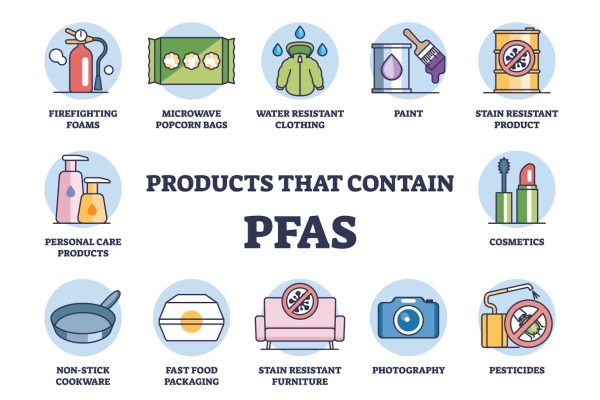
The short answer is: no, you can’t easily “detox” forever chemicals. They’re called “forever” for a reason. These compounds, found in non-stick pans, waterproof jackets, and even dental floss, stick around in your body for years. Your liver isn’t equipped to break them down, so they just… chill. Think of them as the uninvited house guests who never leave, and you’re the couch they’re sleeping on.
But don’t panic. While you can’t wave a magic wand (or drink a $50 “PFAS cleanse” juice), you can reduce your ongoing exposure. That’s the real win. You don’t have to live in a bubble; you just need to stop inviting more uninvited guests in.
Must Read
Where Are They Hiding? (And How to Kick Them Out)
PFAS are everywhere: that greasy pizza box, the stain-resistant carpet you’re sitting on, your favorite waterproof mascara. The first step is awareness. Check your cookware—if it’s non-stick and scratched, toss it (but don’t microwave it before, because fumes). Seriously, a scratched Teflon pan is like a PFAS fountain. Your grandma’s cast iron skillet looks cooler anyway.
Next, look at your water. Water filters are your best friend here. Not all filters work, though—standard Brita pitchers won’t touch PFAS. You need a filter with activated carbon or reverse osmosis. It’s an investment, but cheaper than a lifetime of anxiety. I switched to a countertop carbon filter, and now I feel like a smug, hydrated environmentalist.
Food: The Invisible PFAS Highway
Fast food wrappers and microwave popcorn bags are coated with PFAS to repel grease. Eat less takeout wrapped in paper. I know, I know—your Friday night pizza is sacred. But if you dump it onto a plate immediately, you reduce the chemical transfer. Plus, you get to feel superior while you eat it cold. Win-win.
Fish, especially from contaminated lakes, can be a major source. Check local advisories. And if you’re a “stick of butter cooked in a non-stick pan” kind of cook, switch to stainless steel or ceramic. Your body will thank you, even if your eggs stick a little. Sticking eggs are a small price for eternal health.
The “Sweat It Out” Myth (Sorry)
You might hear that saunas and exercise “flush” chemicals. Spoiler alert: that’s mostly wishful thinking. PFAS like to hang out in your blood and organs, not your sweat gland. Sweating is great for your heart and mood, but it won’t significantly lower your forever chemical count. Don’t let that stop you from hitting the gym—just know the gym won’t save you from that old rain jacket you still wear.
What actually helps? Fiber and hydration. Your body does eliminate some PFAS through urine and bile—so drinking plenty of water and eating fibrous foods (think oats, beans, broccoli) supports your natural elimination pathways. It’s not a miracle, but every little bit helps. It’s like sweeping a floor while leaving the window open—but better than doing nothing.
 How to Detox Forever Chemicals from Your Body Naturally - Dr. Clark Store
The Sneaky Culprits: Household Dust and Air
Forever chemicals also drift around in household dust. Vacuuming with a HEPA filter and dusting with a damp cloth reduce your indoor exposure. Yes, it’s a pain. But so is reading studies about how your couch is slowly poisoning you. Ventilate your home—open windows when you can, because stale air holds more chemicals. Your lungs will notice the difference.
Another tip: avoid “stain-resistant” furniture and carpets. That “Scotchgard” magic wears off anyway, and it’s just PFAS in disguise. Buy a couch that accepts its fate of being spilled on. It’s called character.
The Real Secret: Lowering Your Body Burden Over Time
Here’s the hopeful part: your body does slowly eliminate some PFAS, especially if you stop eating them. Studies show that after people switch to a low-PFAS diet (think whole foods, no fast food wraps, and filtered water), their blood levels drop—but it takes years. Literally years. This isn’t a three-day juice cleanse. It’s a lifestyle.
Your best strategy is prevention over cure. Don’t stress about the PFAS already inside you; focus on what you bring into your home today. Every plastic-free, non-toxic swap you make is a tiny victory. And if you slip and eat microwave popcorn from a bag? You’re human. Just don’t make it a daily ritual.
When to Actually Worry (And When to Let Go)
Medical experts say that for most people, current PFAS levels aren’t an emergency. But if you work in a chemical plant or live near a factory, get your blood tested. For everyone else? Don’t obsess. Obsessing raises cortisol, which raises stress, which raises your risk of everything. Not worth it. Do what you can, laugh at the absurdity (because “forever chemicals” sounds like a sci-fi movie), and move on.
I still use my old rain jacket sometimes. I just don’t lick it. And I’ve accepted that I’ll never be a pure, PFAS-free human. But I can be a slightly less-contaminated one. That’s good enough for me. If anything, it’s given me a new hobby: reading ingredient labels and judging my friends’ cookware. You’re welcome.
Remember: you’re not fighting an enemy you can see. You’re fighting a chemical ghost. But with smart habits and a bit of irony, you can make it rattle around less. Now go drink some filtered water—and maybe eat an apple. I’ll be over here, polishing my cast iron pan.
