Is It Bad To Drink Out Of Plastic Water Bottles

You’re halfway through your afternoon, and that crinkly plastic bottle is your best friend. We’ve all been there—hydrated, guilty, and slightly confused. The question hangs in...
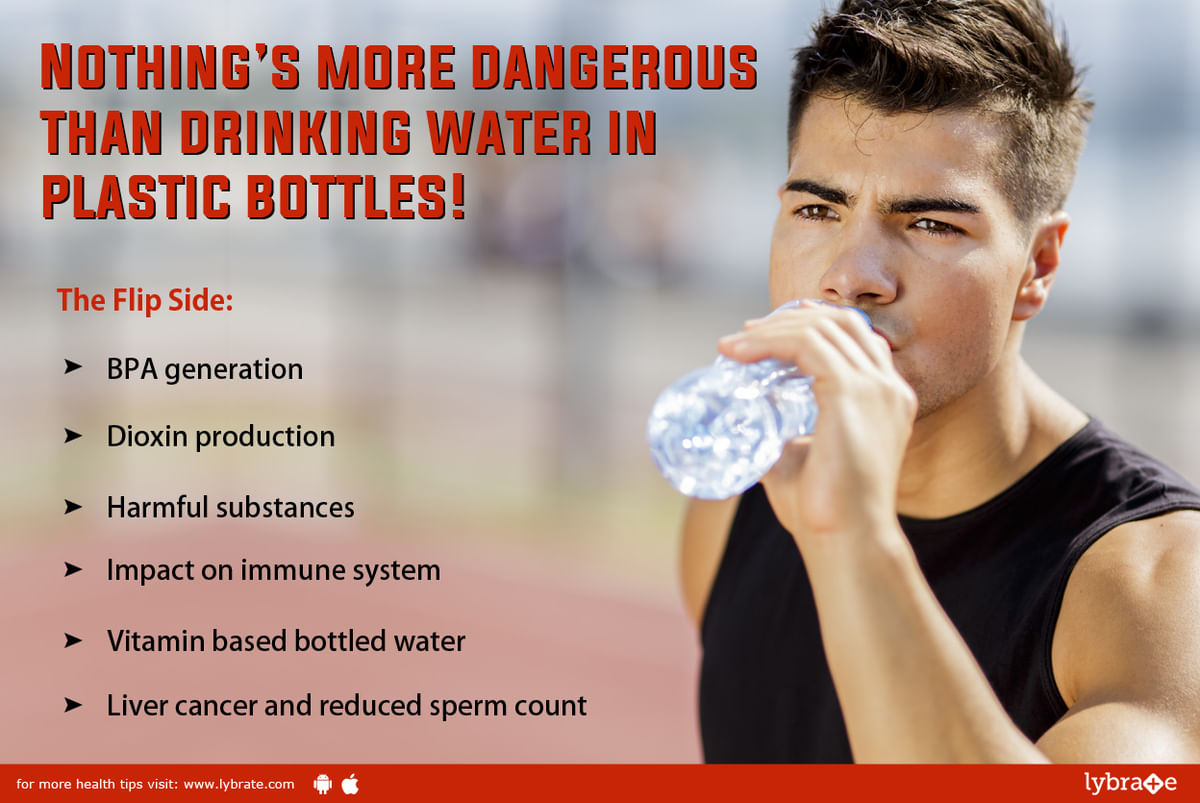
You’re halfway through your afternoon, and that crinkly plastic bottle is your best friend. We’ve all been there—hydrated, guilty, and slightly confused. The question hangs in the air like a stubborn cloud: is it really that bad to drink out of plastic water bottles?
The Science of Sips and Chemicals
Let’s get the heavy stuff out of the way first. Most single-use bottles are made from PET (polyethylene terephthalate), which is generally considered safe for one-time use. The real drama starts when you leave that bottle in a hot car or reuse it for a week of post-gym hydration.
Heat and time can cause the plastic to leach antimony and other compounds into your water. Antimony is a heavy metal that, in high doses, can mess with your thyroid. No thanks.
Must Read
Another sneaky suspect is BPA (bisphenol A), which mimics estrogen in the body. While many bottles now claim “BPA-free,” the substitutes (like BPS) might have similar effects. The science isn’t settled, but your body doesn’t need an endocrine guessing game.
The Environmental Vibe Check
Here’s where the guilt really kicks in. Over a million plastic bottles are bought every minute globally, and only about 9% get recycled. The rest end up in landfills or the ocean, where they take 450 years to decompose.
That’s longer than any of us will be alive. Imagine your future great-grandchild finding a fossilized Deer Park bottle on a beach—not a great legacy. It’s a sobering reminder that convenience often has a hidden price tag.
Fun fact: It takes three liters of water to produce one liter of bottled water. Yes, you read that right. The production process is a thirsty beast.
Practical Tips for a Plastic-Free Life
You don’t need to become a zero-waste monk overnight. Start small. Invest in a reusable stainless steel or glass bottle—they keep water colder and taste infinitely better. Your morning iced latte will thank you.
If you must buy plastic, don’t reuse it for more than a day. Think of it as a one-night stand for hydration—fun, but not meant to last. And never, ever leave it in a sun-baked car or a gym bag that smells like regret.
Try a filter pitcher at home. Tap water in most developed countries is actually more regulated than bottled water. Add a slice of lemon or cucumber, and you’ve got a $0.05 spa drink.
Cultural Context and the Aesthetics of Hydration
In Japan, people carry elegant, refillable bottles as a cultural norm—a quiet sign of discipline and respect for nature. In New York, you’ll see influencers sipping from chic, color-coordinated Hydro Flasks. Style and sustainability can coexist.
 Why Not Drink Water From Plastic Bottles at Kristen Loveland blog
Remember Madonna in the ’90s, drinking Evian like it was a status symbol? We’ve evolved. The new status symbol is saying, “Oh, this? I just refill it.” It’s casually cool and secretly heroic.
Even Hollywood has jumped on board. Emma Watson reportedly brings her own cup to red carpet events. If she can manage it while wearing a gown, you can do it in yoga pants.
The Cost-Benefit of Convenience
Let’s be real: plastic bottles are cheap and everywhere. That’s their superpower. But the real cost is your health, the planet, and your wallet. Over a year, buying bottled water can cost you $1,000 or more compared to tap water.
Think of it this way: every time you refill a reusable bottle, you save about 10 cents. It’s not life-changing money, but over a month, that’s a free movie ticket. Over a year, it’s a nice dinner out.
Your body also notices. Water stored in glass or metal tastes cleaner—no plasticky aftertaste. Your brain registers that difference, and you end up drinking more. Hydration is a win-win.
The Final Sip
So, is it bad to drink out of plastic water bottles? The short answer is: it’s not ideal, but you’re not a villain for doing it. Life is messy, and sometimes all you have is a sweaty plastic bottle from the gas station.
What matters is the trend of your choices, not one isolated moment. If you grab a plastic bottle once a month, you’re fine. If it’s your daily ritual, consider a small upgrade. Your future self—and the ocean—will appreciate it.
Next time you twist open that cap, pause for a second. Ask yourself: Am I thirsty, or am I just on autopilot? Then make the choice that feels good in your body and your soul. Hydrate beautifully, friends.
