Does Decaf Coffee Have The Same Health Benefits

So, my friend Karen—you know the type, always vibrating with a mix of anxiety and ambition—swore she’d switch to decaf to “save her sleep.” Two weeks in, she looked at me over...

So, my friend Karen—you know the type, always vibrating with a mix of anxiety and ambition—swore she’d switch to decaf to “save her sleep.” Two weeks in, she looked at me over her latte and asked, “But am I getting ripped off on the health stuff?” That’s the million-dollar question, right? Does decaf still give you those glow-up antioxidants, or did the process strip all the magic away?
Let’s be real for a second: we all want the coffee ritual without the jitters that make us type emails in ALL CAPS. Scientists have spent years praising regular coffee for lowering risks of heart disease, diabetes, and even depression. But here’s the plot twist: most of those studies weren’t just measuring caffeine—they were looking at the whole bean.
The Good News: Decaf Isn’t a Fraud
Decaf coffee is not a decoy. It still contains polyphenols—those fancy compounds that fight inflammation and oxidative stress. In fact, a 2022 study showed decaf has roughly 15% fewer antioxidants than regular, not zero. That’s like saying a chocolate chip cookie has fewer chips, but it’s still a cookie.
Must Read
Think of it this way: the decaffeination process uses solvents (like ethyl acetate) or water to remove most of the caffeine. It’s a bit like taking the tires off a car—the chassis, engine, and seats are still there. You’re still getting chlorogenic acid, which helps slow glucose absorption. Your blood sugar thanks you.
Where Decaf Stumbles (Let’s Be Honest)
Here’s the kicker: the health benefits tied to liver protection and lower cancer risk are harder to confirm for decaf. Why? Because most massive studies (like the Nurses’ Health Study) lumped decaf drinkers into a tiny group. They basically said, “Eh, too few people drink it.” Awkward silence.
Also, that heart-healthy buzz? That’s partly from caffeine’s ability to boost circulation. Decaf gives you the polyphenols, but you lose the vasodilation party—the widening of blood vessels. So if you’re drinking decaf only for heart stats, you might feel a bit shortchanged. But hey, your anxiety levels will thank you.
 Infographic: How much caffeine is in decaffeinated coffee? | Royal Cup
The “Coffee Face” vs. The “Real” You
Here’s my favorite irony: decaf might actually be better for your skin. Caffeine dehydrates and can spike cortisol, which fuels acne and wrinkles. Decaf gives you the anti-inflammatory polyphenols without the dehydration drama. So if you’re drinking for clear skin, you might be winning.
But let’s talk sleep—the real reason Karen switched. Studies show that even one regular coffee after 2 PM can mess with your circadian rhythm. Decaf, with its 2-15 mg of caffeine (vs. 95 mg in regular), is like a whisper compared to a shout. Your sleep cycle will love you more.
The Liver Question: A Surprise
Now, don’t click away—this is wild. A 2014 study in Hepatology found that decaf drinkers had lower liver enzyme levels than non-coffee drinkers. The effect was similar to regular coffee. That means decaf might still protect your liver from fatty deposits, even without the caffeine kick. So if you’re a former party kid trying to be healthy, decaf is your friend.
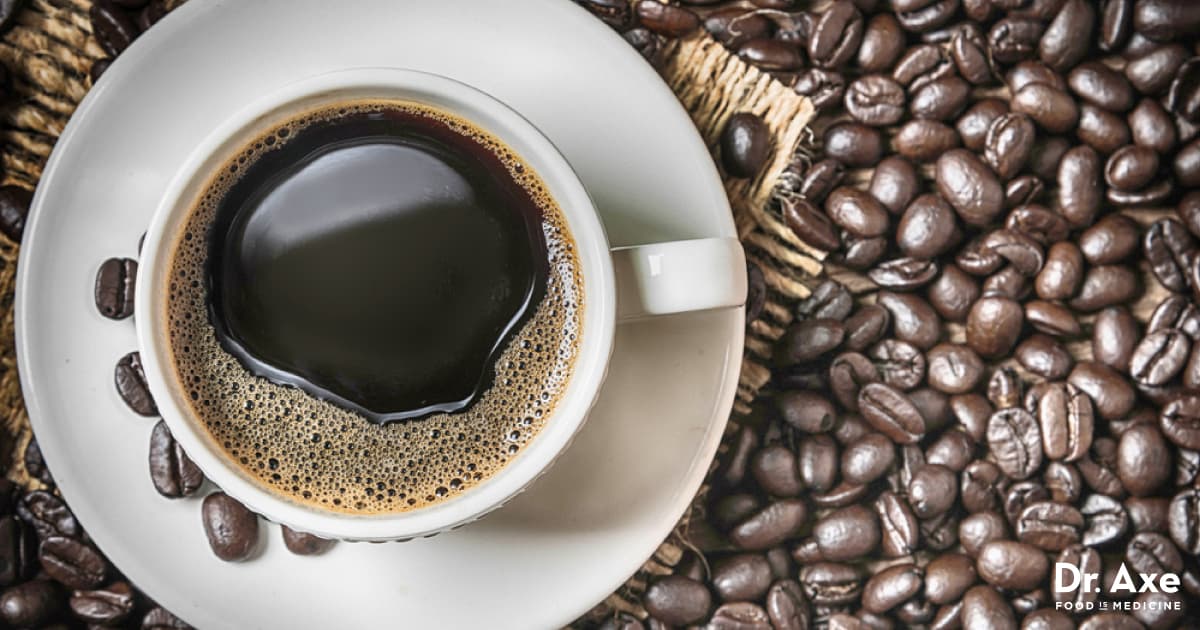 Decaf Coffee: Is It Good or Bad for Health? (Benefits vs. Risks)
But here’s where I get snarky: some cheap decaf brands use methylene chloride to strip caffeine—the same stuff in paint stripper. Gross, right? The FDA says it’s safe, but if you’re a purist, look for “Swiss Water Process” or “CO2 processed” decaf. Your beans deserve better.
The Bottom Line (Yes, I’m Getting There)
So, does decaf have the same health benefits? Not exactly. You lose the metabolic boost from caffeine and maybe a tiny edge in antioxidant density. But you still get the anti-inflammatory compounds, liver love, and a calmer nervous system. It’s like comparing a sprint to a gentle jog.
For me? I drink both. Morning regular when I need to conquer the world, afternoon decaf when I need to pretend to be a calm adult. The key is to ask yourself: what are you drinking for? If it’s for ritual, comfort, or your gut, decaf is a solid win. If you want the brain-fire of caffeine, stick with the real deal. Either way, you’re still getting a hug in a mug.
Now go refill your cup—decaf or not—and ignore the health police. You’ve got this.
