What Is Reverse Osmosis Filtration

Ever wonder how your favorite aquarium keeps its water so crystal clear? Or how astronauts get clean water in space? The sneaky secret is reverse osmosis. It’s not a new dance...
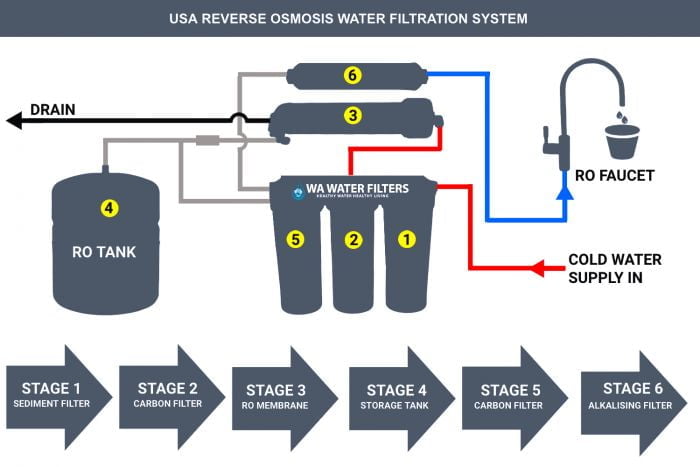
Ever wonder how your favorite aquarium keeps its water so crystal clear? Or how astronauts get clean water in space? The sneaky secret is reverse osmosis. It’s not a new dance move, but it is a miracle of modern science.
Imagine a super-fussy filter. This filter doesn't just catch big chunks like a coffee strainer. It plays hard to get with water itself.
The "Reverse" Twist on a Classic Idea
First, let’s talk about osmosis. This is a natural process where water tries to balance itself out. If you put salty water next to fresh water, the fresh water rushes over to dilute the salt. It’s like a crowd naturally spreading out in an empty room.
Must Read
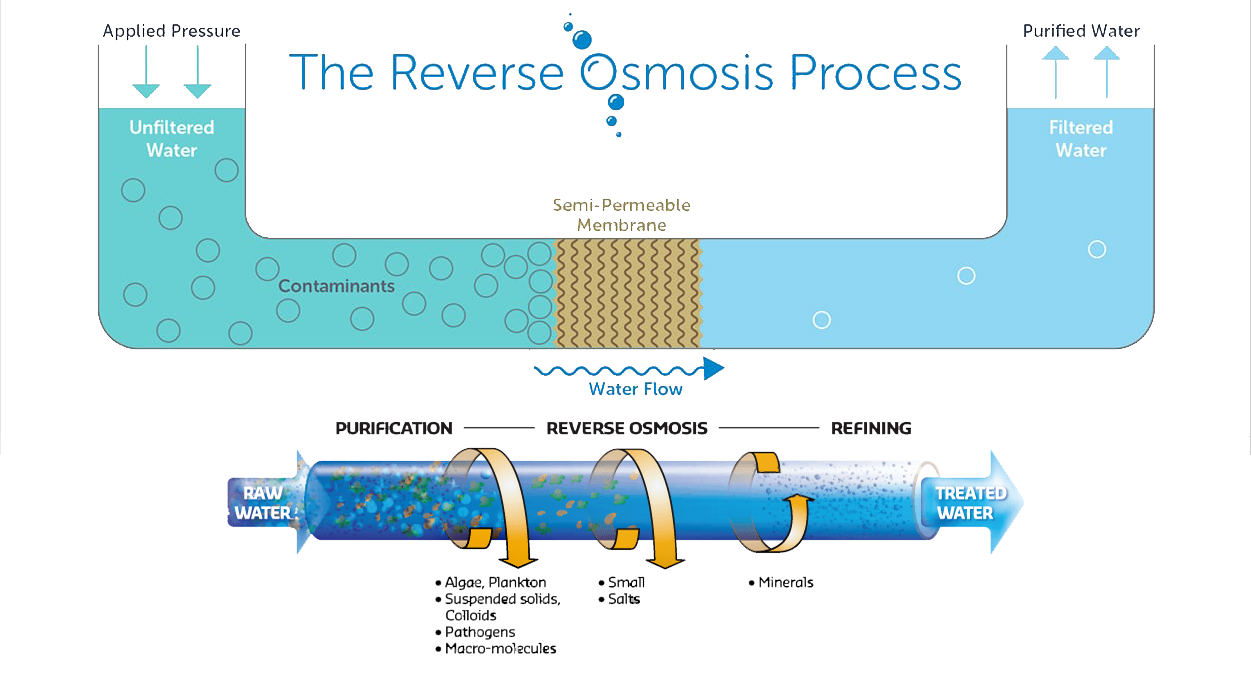
Reverse osmosis flips that idea on its head. It uses incredible pressure to force water backwards. It shoves dirty water against a special membrane, telling it, “Nope, you go that way instead.”
Think of it as bouncers at an exclusive club. Only the tiniest, VIP water molecules get in. Everything else—salt, bacteria, even microscopic particles—gets left outside, angry and refused entry.
Party at the Membrane
This magical bouncer is called a semi-permeable membrane. It’s incredibly thin, like plastic wrap, but it has microscopic holes. Those holes are so tiny that only pure water H₂O molecules can squeeze through.
Imagine trying to push a bowling ball through a screen door. That’s what pollutants, minerals, and even tiny viruses experience. They bounce right off, completely rejected. It’s a one-way ticket to the reject bin.
Fun fact: Your tap water might contain over 2,000 different contaminants. A good reverse osmosis system catches 99% of them. That’s not a filter; it’s a bodyguard for your glass.
The Quirky, Gross, and Fantastic Details
Did you know this technology was born from a government project? During the 1950s, the U.S. wanted to turn seawater into drinking water. They basically needed a miracle. So, scientists invented this clever pressure game.
But here’s the weird part: it’s wasteful by design. For every gallon of pure water you get, up to three gallons go down the drain as brine. That’s the super-salty leftover water. It’s the price of perfection.
 Why Reverse Osmosis is the Better Choice for Clean Water – Go Lime
Don’t worry—this waste water is often used to flush toilets or water lawns. It’s not clean for drinking, but it’s not toxic sludge either. Think of it as the grumpy older sibling of the pure water family.
It’s Not Just for Drinking
You’ve probably tasted reverse osmosis water without knowing it. That perfectly clear, bland-tasting water in soda fountains? That’s often RO water. It makes soda taste exactly the same every single time. No weird mineral flavors.
Aquarium owners swear by it. Fish are super sensitive to chemicals. A reverse osmosis system removes chlorine, ammonia, and heavy metals. Your goldfish will basically thank you by not floating belly-up.
Even your local nursery might use it. Some delicate orchids hate tap water minerals. RO water keeps them blooming like crazy. Plants on RO water live a lavish spa life.
Is There a Catch? (Of Course There Is!)
The biggest complaint? It’s slow. Most home systems produce only a few gallons per hour. You won’t fill a bathtub with it anytime soon. You’ll be standing there, tapping your foot, waiting for a glass of water.
Another quirk: it removes too much. We need some minerals like calcium and magnesium. RO water is so pure it can actually taste “flat” or “empty.” That’s why many systems add a remineralization filter at the end, giving it back a little flavor.
It also requires maintenance. The membrane gets clogged over time. You have to replace filters every six months to a year. Otherwise, you’re just pushing water through a dirty sponge. Gross.
 What Is Reverse Osmosis And How Does It Work
The Funky Future of Filtration
Scientists are now making RO membranes that don’t need as much pressure. They’re using materials like graphene—a material one atom thick. Imagine filtering water through a single layer of carbon. That’s basically science fiction.
Some systems now use up to 80% less water than older models. They recycle the wastewater back into the system. Soon, the waste problem might be solved entirely. We’re getting closer to a perfect glass.
And get this: there are portable reverse osmosis straws. You can literally drink from a muddy puddle and be fine. Hikers and survivalists love them. It’s like having a superpower in your pocket.
So, Should You Get One?
If your tap water tastes like a swimming pool, yes. If you live in an area with hard water or heavy metals, absolutely. It’s the gold standard for home water purification. It’s the Rolls Royce of filters.
But if your water is already decent? You might just be fine with a basic pitcher. RO systems cost over $200 and take up under-sink space. It’s a commitment, like adopting a very clean but needy pet.
Still, there’s a simple joy in drinking water that’s been bullied through a microscopic membrane. Every sip is a tiny victory against dirt, salt, and chaos. Isn’t that worth a little patience?
So next time you see a clear glass of water, remember: it might have been squeezed through space-age plastic under massive force. That’s not just water. That’s a heroic, pressure-cooked miracle.
Cheers to the ultimate filter. And to never drinking stale aquarium water again.
