Why Water Filtration Is Important

Let’s be real for a second: tap water is a little bit like that one friend who’s great in a crisis but really awkward at parties. You trust it to wash your dishes, but would y...

Let’s be real for a second: tap water is a little bit like that one friend who’s great in a crisis but really awkward at parties. You trust it to wash your dishes, but would you trust it with your morning coffee? Probably not without a side-eye. That’s where water filtration slides in, like a chill bouncer at the door of your glass, keeping out the uninvited guests.
Think about the last time you filled a glass from the faucet. Did you catch a whiff of something that smelled like a swimming pool’s awkward cousin? That’s chlorine, folks. It’s there to kill germs, sure, but it also makes your water taste like a chemistry set. A simple filter is like giving your water a spa day—it strips away the harsh stuff so you can actually enjoy a drink without wincing.
Your Morning Brew Deserves Better
I’ll never forget the morning I made coffee with unfiltered tap water. The result? A cup that tasted like someone had boiled a penny and a sock together. I nearly cried into my mug. Filtered water, on the other hand, is the silent hero of a good cup of joe. It lets the coffee beans shine, not the lingering taste of old pipes.
Must Read
It’s not just coffee, either. Ever notice how iced tea from a restaurant tastes crystal-clear and refreshing, but homemade stuff can look cloudy and flat? That’s the magic of filtration. It removes minerals that cloud the flavor, making your beverages taste like they came from a fancy café instead of your kitchen sink. You’ll feel like a master mixologist, but with less fancy equipment.
What’s Actually Swimming in Your Glass?
Okay, get ready for a mental image. Imagine your tap water is a tiny, invisible petri dish. It’s not dangerous—your city treats it—but it’s carrying things you didn’t order: sediment, trace metals, and the occasional microplastic from old pipes. It’s like finding a stray hair in your takeout—you’ll survive, but you wish it wasn’t there.
A good filter catches these crashers. It’s like having a personal bouncer for your hydration. Without it, you’re basically playing a low-stakes game of roulette with every sip. With it? You’re sipping peace of mind. And honestly, who has energy for worrying about what’s floating in their water bottle?
I once had a friend who swore his tap water tasted “earthy.” He called it “rustic.” I called it “a reason to buy a Brita.” After a few weeks with filtered water, he admitted his morning tang had disappeared. He said, “I feel like I’ve been drinking from a clean cloud.” I nodded, because that’s exactly what it feels like.
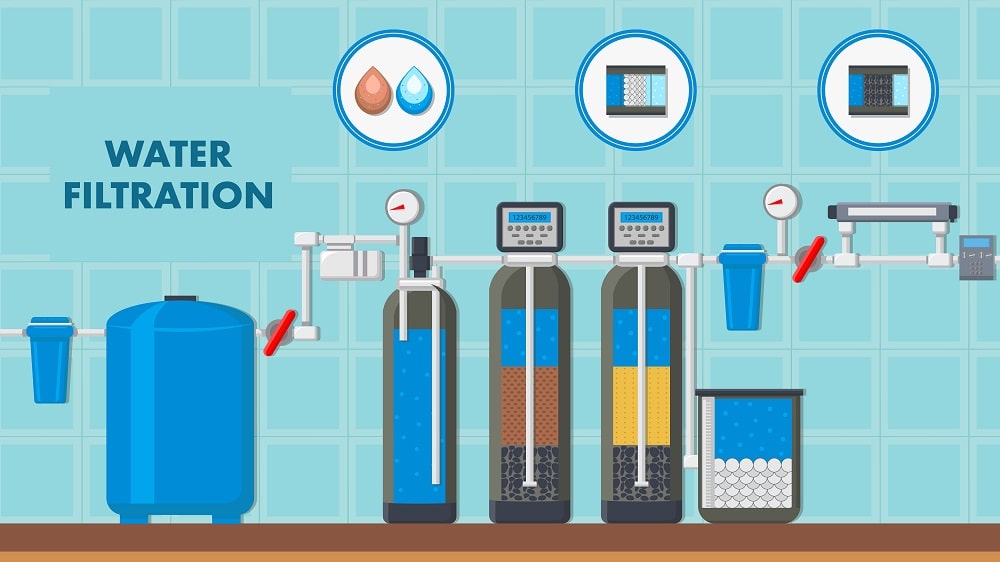 The Science Behind Water Filtration: How It Works | Kinetico
Your Skin and Hair Will Thank You
Here’s a secret nobody tells you: hard water is low-key bullying your hair. When you shower with unfiltered water full of calcium and magnesium, it leaves a weird film on your strands. You dry off, and suddenly your hair feels like straw. Your skin feels tight and dry, like you just rubbed it with sandpaper.
A shower filter changes the game. It’s like swapping out a scratchy towel for a fluffy cloud. The first time I used one, I stepped out of the shower and my skin didn’t scream for lotion. My hair actually shone without extra product. I felt like I’d upgraded my whole bathroom to a five-star spa, but all I did was screw a filter onto the pipe.
You don’t need high-maintenance routines. Soft water does half the work for you. It’s the ultimate lazy-girl (or guy) beauty hack. You just stand there, and the water makes you look better. Try doing that with a face mask.
Save Money While Feeling Fancy
Let’s talk dollars and sense. Do you buy bottled water? At a buck a pop, that adds up faster than a Netflix queue on a rainy weekend. Over a year, you could be spending enough to buy a nice pair of shoes—instead, you’re drinking plastic from a store. A filter system costs pennies per gallon. It pays for itself in about two months, and then it’s just pure savings.
 How To Tell If A Water Filter Is Working
Plus, you’ll stop hoarding those flimsy plastic bottles under your sink. They always leak anyway, right? You know the feeling: you open the cabinet, and a rogue bottle rolls out and hits your toe. Ouch. With a filter, you have endless clean water, and your toes stay safe. That’s a win-win in my book.
I’ve got a friend who bought a fancy reusable water bottle and a simple countertop filter. Now she refills her bottle all day, and she claims it tastes better than any store-bought brand. She even takes it to restaurants. She’s become that person—and honestly, I’m a little jealous of her smug hydration.
The Bottom Line, No Pressure
Look, you don’t need to install a whole-house reverse osmosis system that looks like a rocket ship in your basement. Even a simple pitcher filter is a step up. It’s about making the choice that your water deserves a little TLC. Your taste buds, your wallet, and your hair will all high-five you later.
So next time you fill a glass, ask yourself: Do I want water that tastes like a swimming pool, or water that tastes like a mountain stream? The answer is probably the one that doesn’t make you pucker. Cheers to that. And maybe filter your ice cubes, too. Trust me.
