What Does A Uv Light Do For Water

So, you’ve heard about UV light for water, and you’re wondering what the deal is. Is it magic? Is it science? It’s both, really. But let’s get this straight right now: it does...
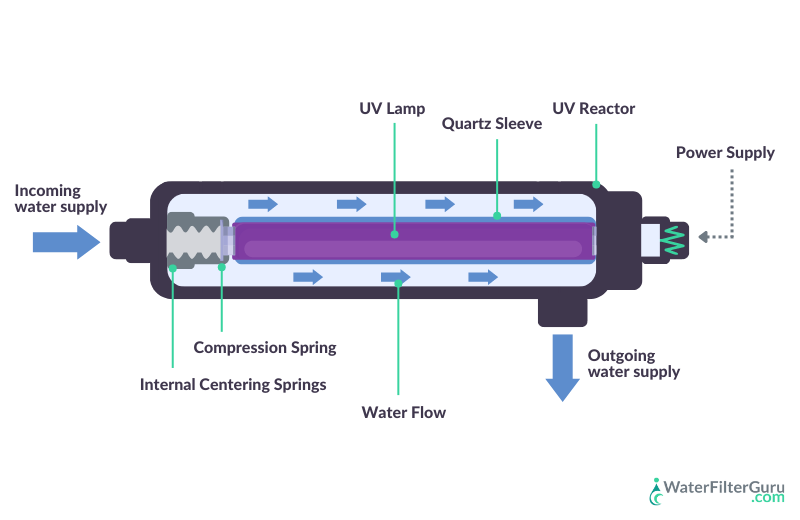
So, you’ve heard about UV light for water, and you’re wondering what the deal is. Is it magic? Is it science? It’s both, really. But let’s get this straight right now: it does not filter out dirt, make your water taste like a tanning bed, or turn it into a disco ball. Instead, UV light acts like a tiny, invisible superhero for your H2O, blasting away the bad guys you can’t even see. Think of it as a zap gun for microscopic monsters.
What’s Actually Happening Under That Purple Glow?
UV light for water uses a specific wavelength called UV-C. This isn’t the same UV you get from sunlight (that’s mostly UV-A and UV-B). UV-C is the nuclear option for germs. It’s so powerful that it literally shatters the DNA of bacteria, viruses, and protozoa. Imagine a thousand tiny disco balls, but instead of dancing, they’re making microbes sterile.
Here’s the wild part: the light doesn’t kill the germs in a messy, splattery way. It just nukes their reproductive code. A bacterium can still be floating around, but it’s like a ghost—harmless because it can’t multiply. It’s the ultimate “you’re fired” for pathogens. No chemicals, no weird aftertaste—just pure, nasty DNA destruction.
Must Read
Why Your Tap Water (Might) Need a Zap
City water is usually treated with chlorine, which works, but can leave a funky taste and smell. UV light gives water that “mountain stream” freshness without adding a single thing. Well water? That’s a whole different beast. You might have giardia or cryptosporidium lurking—two parasites that laugh at chlorine. But UV light? It turns them into zombies.
And here’s a quirky fact: UV light can even zap virus particles that are smaller than bacteria. Think about that—these things are 0.1 microns tiny, and a lightbulb can stop them. It’s like using a laser pointer to swat a gnat. Overkill, but in the best way possible.
The Grossest Part: What UV Doesn’t Do
Okay, let’s be real. UV light is not a water filter. If your water looks like swamp juice, UV won’t help. It can’t remove sediment, rust, or those weird floaty bits. You need a physical filter for that. Think of UV as the final boss—you beat the dirt first, then you zap the germs. Otherwise, it’s like putting a tiny superhero in a mud pit. Ineffective and sad.
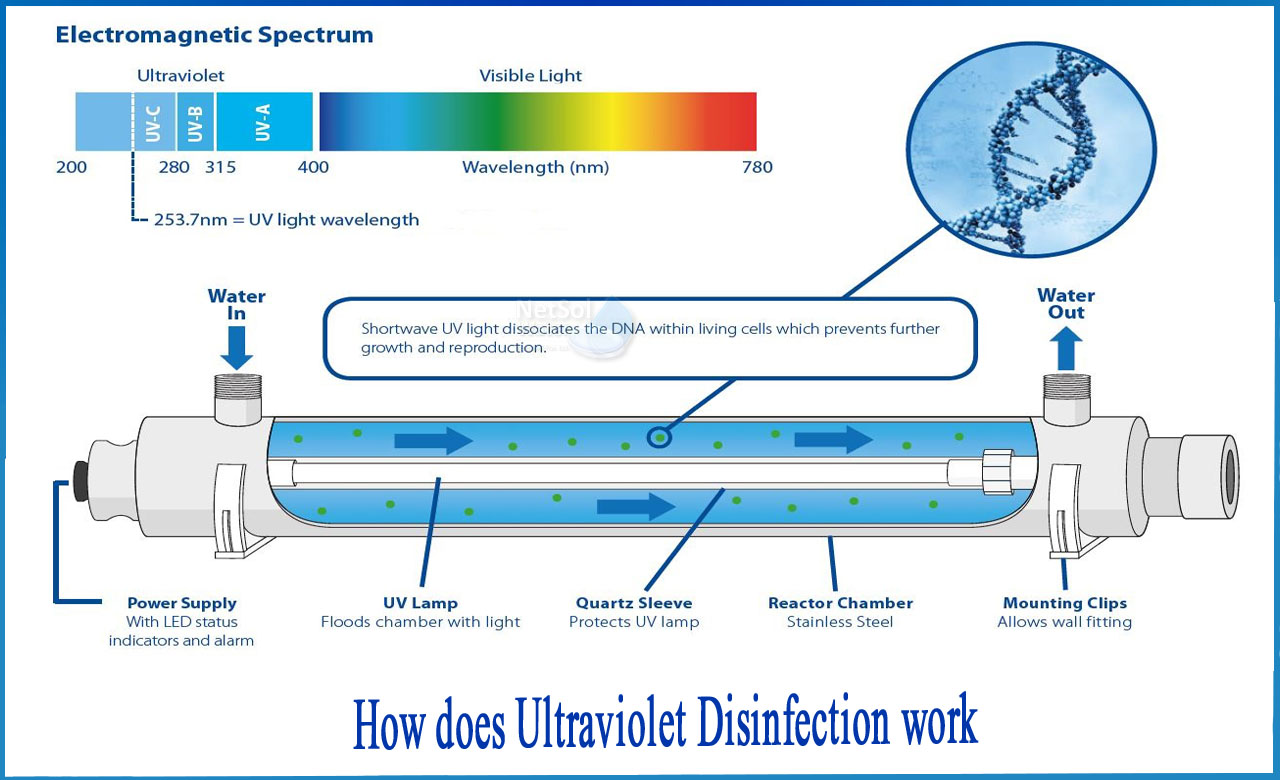 How Do Ultraviolet Lights Work What Is UV Radiation? | Cancer Council
Also, UV light works best when water is clear. Murky water blocks the UV rays, giving bacteria a perfect hiding spot. It’s like trying to sunburn a vampire hiding under a pile of laundry. So for UV to work, your water needs to be crystal clear. Yes, that means pre-filtering is mandatory.
Is It Safe? (Spoiler: Yes, And It’s Hilariously Efficient)
You might worry about drinking “zapped” water. Relax—UV light leaves zero residue. Unlike chlorine, which can create harmful byproducts, UV just passes through water and vanishes. The water molecules don’t care. They’re like, “Cool light show, bro,” and move on. It’s chemical-free and eco-friendly. Your solar-powered toaster would be proud.
And here’s a fun party fact: UV water treatment is used by NASA for astronauts on the International Space Station. Because nothing says “future-proof” like drinking water that’s been blasted by a space-rated germ zapper. If it’s good enough for floating astronauts, it’s good enough for your kitchen sink.
 Ultraviolet Water Purifier...How does it work? An FAQ
The Quirky Side Effects (Or Lack Thereof)
One thing people don’t expect: UV light doesn’t change water temperature. No warm, tepid sip of defeat. It stays cold and crisp—just with a side of invisible justice. Also, the lamp itself emits a faint purple glow, which looks like a science fair experiment in your cupboard. It’s the closest you’ll get to having a light saber in your plumbing.
But here’s the kicker: the UV lamp wears out after about a year. It loses its zap power even if it still glows purple. It’s like a retired ninja—looks the same, but can’t kick butt anymore. You have to replace it annually. Yes, it’s a hassle, but so is explosive diarrhea. Choose your maintenance wisely.
Final Verdict: Should You Get One?
If you’re a well water warrior or just hate the taste of chlorine, a UV system is a fantastic investment. It’s cheap to run (about as much as a 60-watt bulb), requires no chemicals, and gives you peace of mind. You’ll never look at a cloudy glass of water the same way again. You’ll think, “I wonder how many tiny party crashers got zapped today?”
Just remember: UV is a team player. Pair it with a good sediment filter for best results. And don’t forget to change the bulb every year. Set a calendar reminder. Your gut will thank you. Now go forth and zap your microbes—and maybe impress your friends with your new favorite science fact.
