What Is Ph And How Is It Measured

So, you’ve heard of pH. Maybe in a vaguely traumatic high school chemistry memory involving litmus paper and a bored lab partner. Relax. We’re going to fix that. pH is not a s...
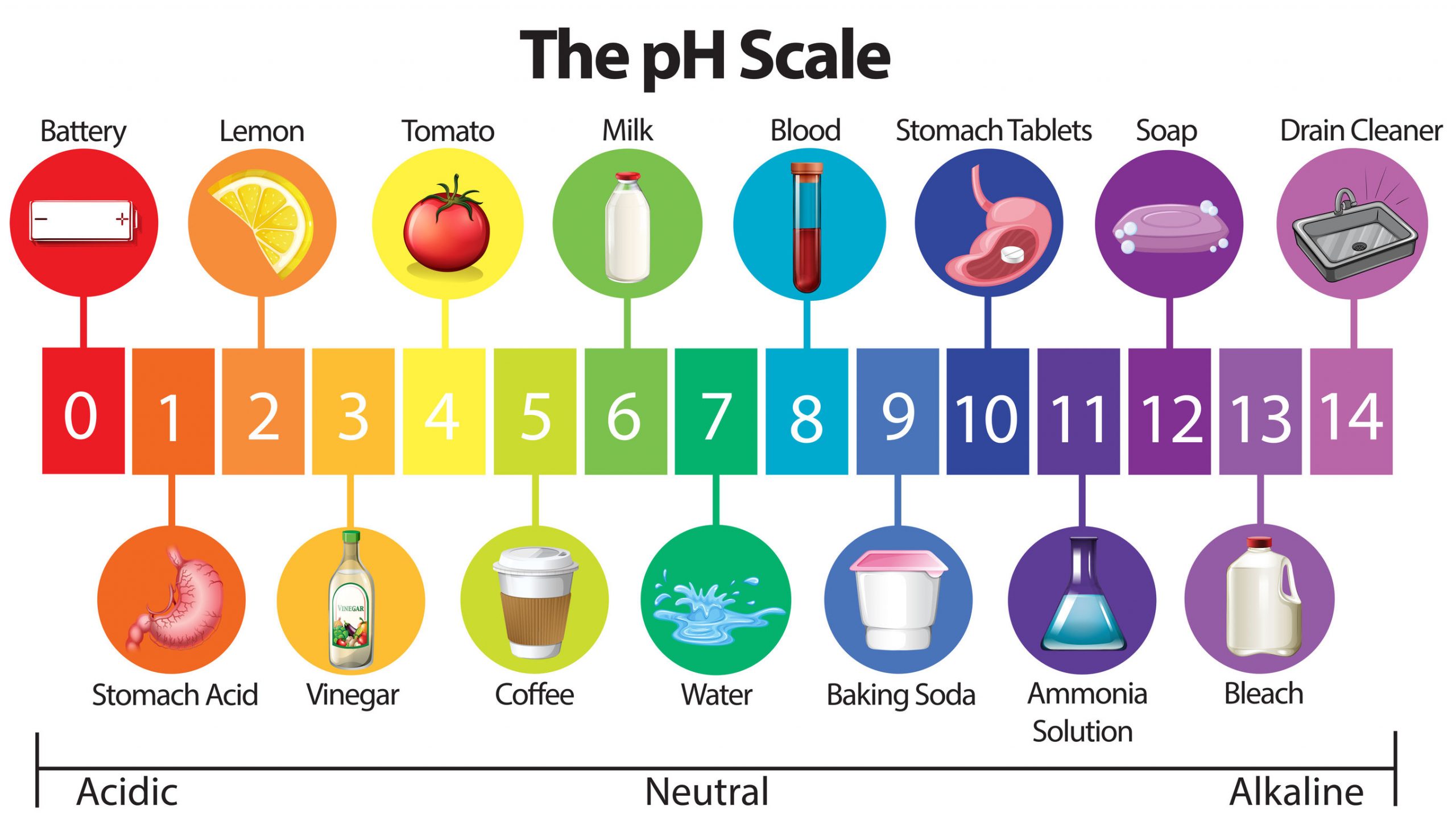
So, you’ve heard of pH. Maybe in a vaguely traumatic high school chemistry memory involving litmus paper and a bored lab partner. Relax. We’re going to fix that. pH is not a secret code or a new boy band—it’s actually a deceptively simple measure that controls everything from your morning coffee to the survival of your favorite pond fish.
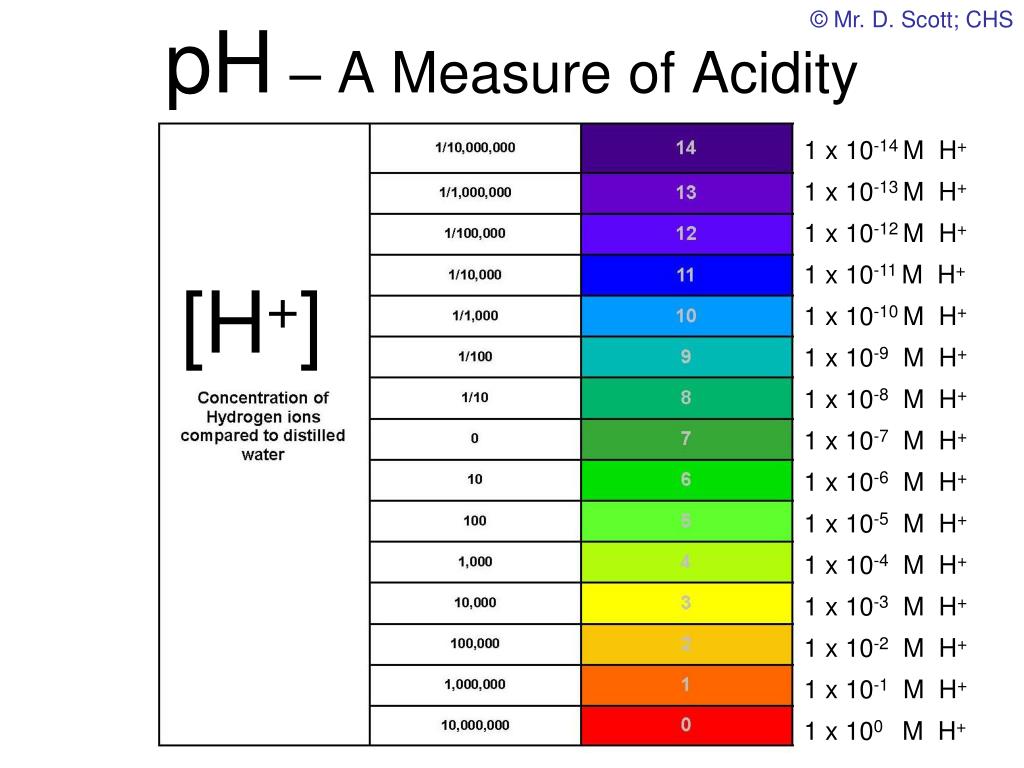
Think of pH as the Goldilocks scale for sourness and slipperiness. It runs from 0 to 14, where 7 is perfectly neutral—like pure water, the boring friend at every party. Anything below 7 is an acid, and anything above is a base (also called alkaline). And yes, the scale is logarithmic, which is science-speak for "things get weird really fast."
The Weirdness of the Logarithmic Scale
Here’s the shocking truth: a shift of just one number on the pH scale means a tenfold change in acidity. That means a liquid with pH 3 is ten times more acidic than one at pH 4, and one hundred times more acidic than pH 5. Your stomach acid (pH 2) is literally a billion times more acidic than pure water. That’s not a metaphor—it’s terrifying math.
Must Read
Meanwhile, bleach (pH 12) is so basic it feels slippery on your fingers, and that’s because it’s dissolving the top layer of your skin. Don’t worry, your hands will grow back. Eventually. The point is, this scale is insanely sensitive, and our bodies are tiny, fragile pH balancers trying not to melt.
How We Measure the Invisible
You can’t just look at a liquid and know its pH. (Unless you’re a cyborg, in which case, put down this article and go do something productive). The oldest trick in the book is litmus paper, which turns red for acids and blue for bases. It’s basically a paper that’s as decisive as a mood ring—only it’s actually useful.
If you want to get fancy, you use a pH meter. This is a little handheld robot with a glass bulb that senses hydrogen ions. You stick it in your liquid, press a button, and it gives you a precise number. It’s like a thermometer, but instead of temperature, it measures how much your drink wants to dissolve your teeth.
 Printable Ph Scale
But here’s the surprising fact: pure water has a pH of 7, but it’s actually full of hydrogen ions. It’s just that the positive and negative ions are perfectly balanced. So water isn’t "neutral" because it’s empty—it’s neutral because it’s having the ionic equivalent of a polite, boring conversation. No drama.
Your Body Is a pH Obsessive
Do you know what your stomach acid could do to a penny? Shove it in there and find out. (DO NOT DO THIS). But seriously, your stomach is a vat of hydrochloric acid at pH 1.5 to 3.5, strong enough to digest a steak and kill most bacteria. It’s the reason you don’t die from eating street food in a monsoon.
Your blood, however, is a diva that throws a tantrum if it strays from pH 7.35 to 7.45. That’s tighter than a teenager’s jeans—a 0.1 shift and you’re in the hospital. If your blood pH hits 7.0, you’re basically dead. So thank your kidneys and lungs right now; they’re the unsung heroes keeping you from turning into a human battery acid spill.
And coffee? It’s about pH 5—acidic, but not horrifying. That’s why it can burn your tongue but not, you know, eat your tongue. Lemon juice is pH 2, which is why it stings when you put it on a paper cut. You are now torturing the open wound with a substance that could dissolve calcium. Good job.
 PPT - Acid-Base PowerPoint Presentation, free download - ID:853956
Why You Should Actually Care
pH controls nearly everything that matters. Farmers adjust soil pH so their crops don’t starve. Swimming pools would turn into green, stinky swamps without pH control. Fish in aquariums die if the pH is off by even half a number—they’re basically entitled little wet pets with zero tolerance.
Here’s a joke for you: Why did the acid go to the party? Because it wanted to react with everyone. (Groan all you want, you laughed). But seriously, the universal importance of pH is no joke. Every chemical reaction in your cells—and I mean every single one—depends on the right pH. You are a walking, talking pH-dependent reaction.
So next time you squeeze a lemon into your tea, take a moment to appreciate the 0-14 scale that governs your existence. And if someone asks you what pH is, just say: "It’s the grumpy manager deciding if your coffee is a dangerous chemical or just breakfast." Then hand them a glass of water and say, "This one is a perfect 7. Boring, but it won’t kill you."
Now go enjoy your acidic coffee or your basic soap, and remember: your body is a pH miracle with a lot of chemical duct tape holding it together.
