How To Get Rid Of E Coli In Water

So, you’ve got E. coli lurking in your water. Yikes! Don’t panic—this isn’t a horror movie. It’s just a tiny, unwelcome guest we need to evict. Let’s make this fun, like a mic...
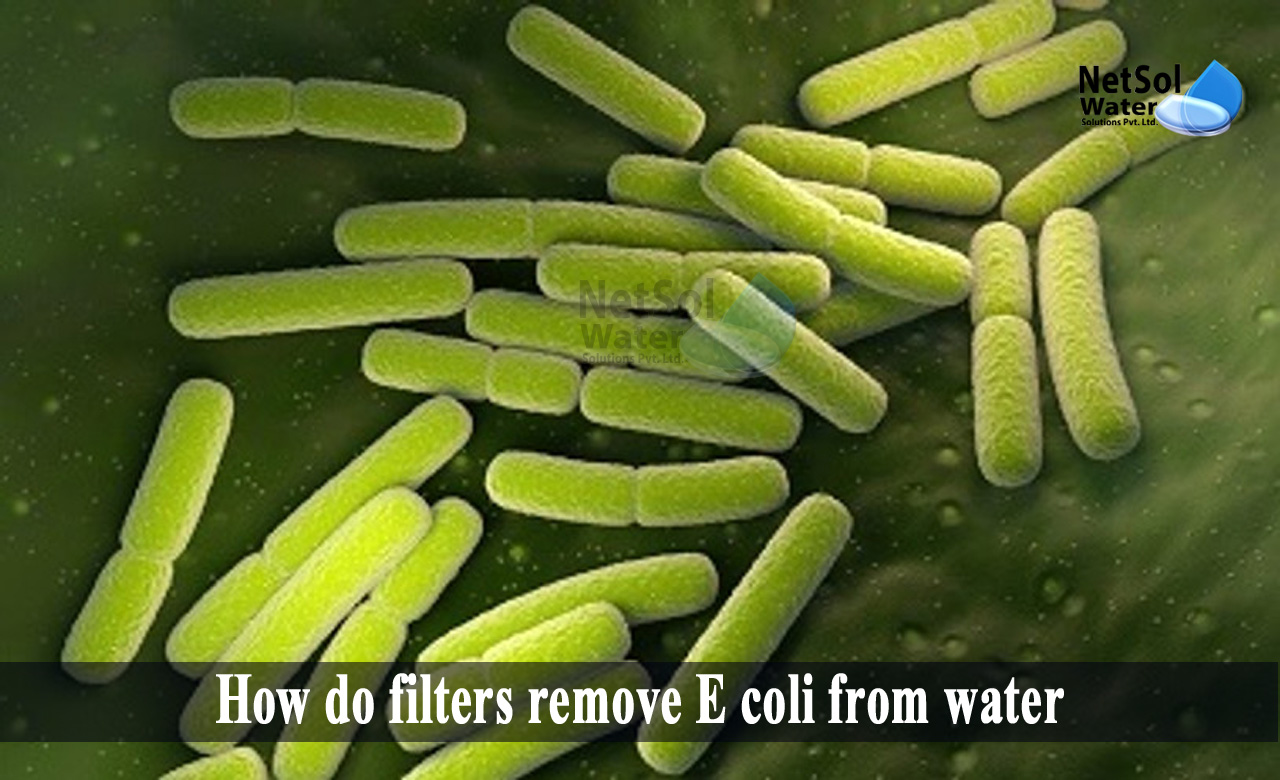
So, you’ve got E. coli lurking in your water. Yikes! Don’t panic—this isn’t a horror movie. It’s just a tiny, unwelcome guest we need to evict. Let’s make this fun, like a microscopic eviction notice for a bacteria party.
First, What’s the Big Deal?
E. coli is a bacteria that loves your intestines (not in a good way). Most strains are harmless, but some cause nasty cramps and diarrhea. Think of it as the uninvited party guest who spills punch and breaks your toilet.
It gets into water through, um, poop—from animals or humans. Gross, but true. That’s why your drinking water needs a serious makeover.
Must Read
Boil It Like You Mean It
The oldest trick in the book: boiling. Bring water to a rolling boil for one minute (three if you’re above 6,500 feet). This kills E. coli dead—like, dead dead.
Fun fact: Boiling doesn’t just kill bacteria; it also evaporates the water’s taste of adventure. But hey, safe wins over fancy. Let it cool, and you’ve got germ-free H2O.
The “Bubbly” Solution: Chlorine
Chlorine is the bleach of the water world—don’t drink straight bleach! But a few drops in murky water destroy E. coli’s cell walls. Use unscented household bleach: two drops per quart, wait 30 minutes.
Quirky detail: Chlorine smells like a swimming pool. That smell is bacteria dying. It’s the aroma of victory! If you taste it after treatment, let the water sit open for 15 minutes. Chemistry is weirdly satisfying.
UV Light: The Bacteria Zapper
Ever seen those UV wands on TikTok? They work for water too. UV light scrambles E. coli’s DNA, making it unable to reproduce. It’s like giving the bacteria instant amnesia.
You can buy a portable UV stick for camping. Just stir it in your water bottle for 60 seconds. No chemicals, no taste—just pure, science-y magic. Talk about a glow-up for your hydration.
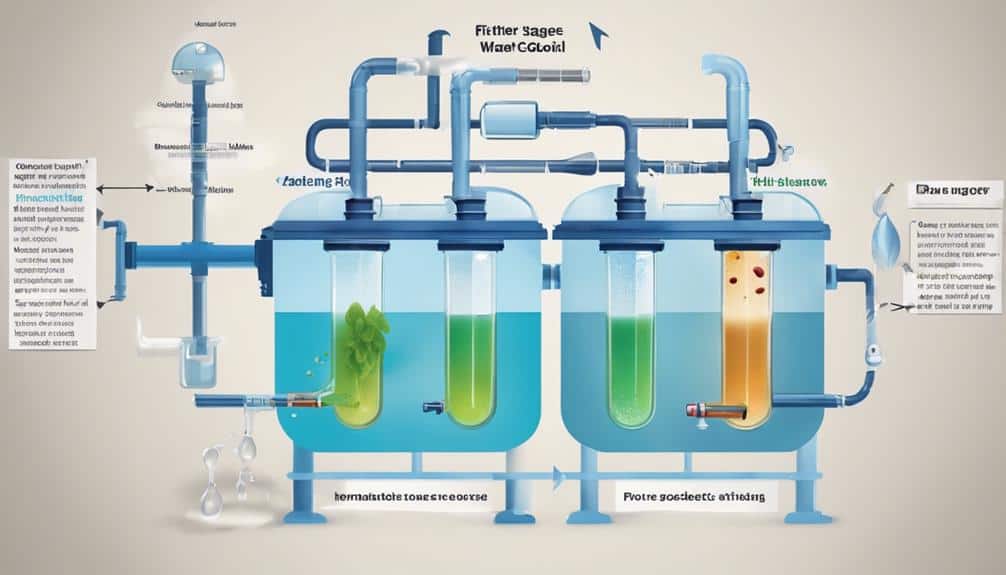 E Coli Water Filter at Joanna Swanner blog
Filters: The Bouncers
Water filters are like nightclub bouncers for E. coli. They physically block bacteria from slipping through. Look for filters labeled “NSF 53” or “NSF 58”—those stop germs and cysts.
Fun fact: Some filters use ceramic or carbon to trap tiny nasties. But don’t cheap out—a Brita pitcher won’t cut it. You need a micro-filter with 0.2-micron pores. That’s smaller than a human hair by a mile!
Distillation: The Rainmaker
Distillation boils water, catches the steam, then condenses it back into liquid. E. coli stays behind—it can’t fly. You’re basically playing Mother Nature at home.
Buy a countertop distiller for about $100. It’s slow (takes hours for a gallon), but the water is pure as snowmelt. Plus, you get to feel like a mad scientist.
Solar Disinfection: Free Sunshine Power
Fill a clear plastic bottle with water. Place it in direct sunlight for six hours (or two days if cloudy). UV rays from the sun kill E. coli naturally. It’s called SODIS—solar water disinfection.
Quirky tip: Use PET bottles, not glass (glass blocks UV). And if the water is murky, filter it first with a cloth. You’re basically using the sun as a giant, free UV lamp. Perfect for camping or apocalypse prep.
 How to Eliminate E coli with Water Filters – Bluonics
Boiling vs. Chemicals: The Showdown
Boiling kills 99.999% of bacteria. Chlorine kills 99.9%. Both work, but boiling wins for absolute safety. Chemicals can leave a weird aftertaste—add lemon juice to fix it.
And here’s a wild fact: E. coli can survive in freezing temperatures! So don’t just freeze your water—it’s a summer vacation for germs. Always use heat or chemicals.
When in Doubt, Test It
Buy a water testing kit online. Just dip a strip into your tap, and it turns colors if E. coli is present. It’s like a pee stick for your water, but way less awkward.
If the test turns pink, don’t panic. You now know what enemy you’re fighting. Treat your water with one of the methods above, then test again. Victory tastes clean.
The Bottom Line
Getting rid of E. coli is easy—boil, bleach, or zap it. You don’t need a science degree; just a pot or a UV wand. And remember: clean water is your right, not a luxury.
So go forth, water warrior. Test your tap, boil your batch, and sip with confidence. Your gut will thank you. And E. coli? It’s getting the boot.
