How To Check Your Body's Ph Level

Let’s be honest: when was the last time you thought about your body’s pH? Unless you work in a chemistry lab or have a very specific obsession with pool water, probably never....
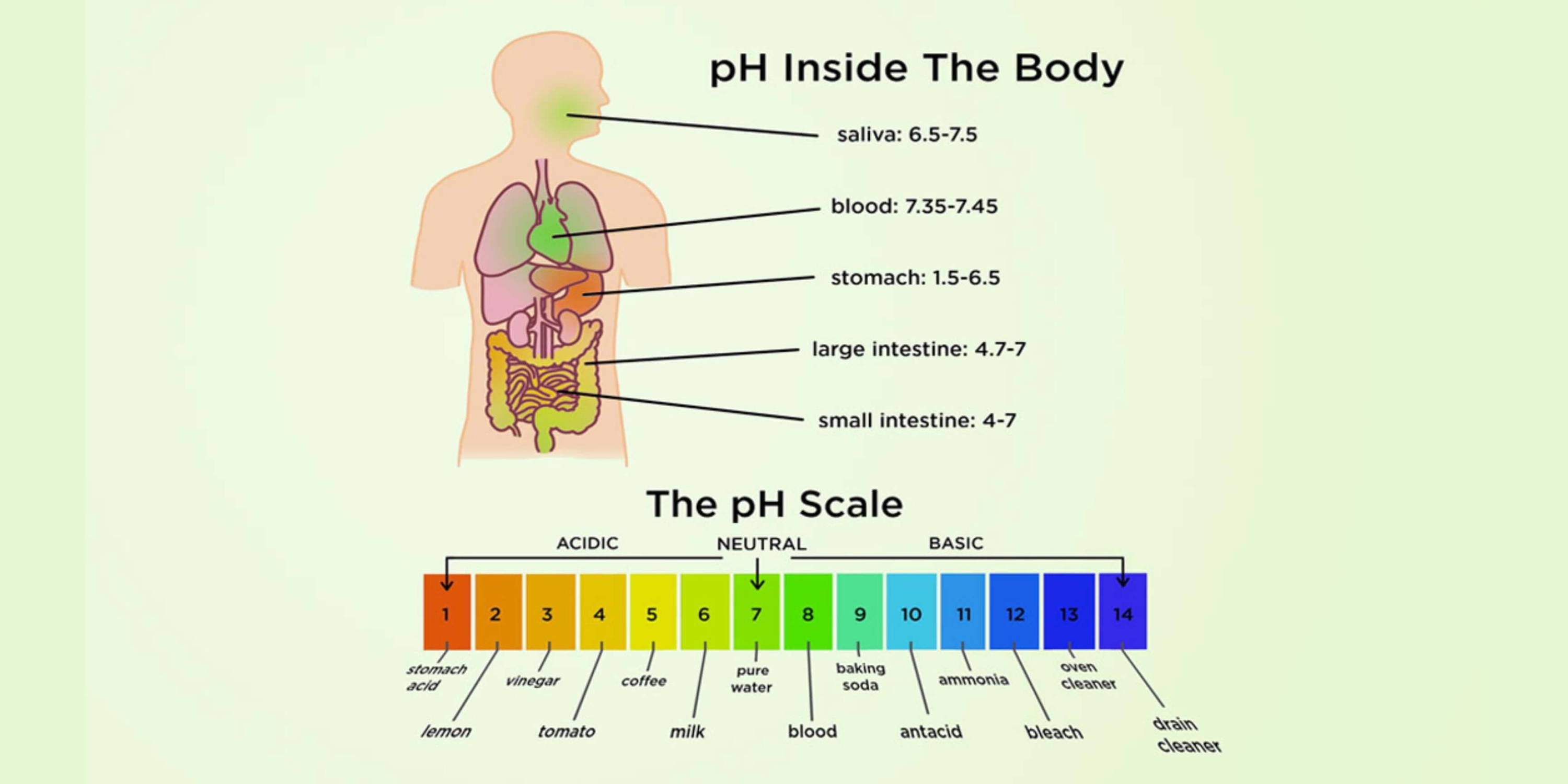
Let’s be honest: when was the last time you thought about your body’s pH? Unless you work in a chemistry lab or have a very specific obsession with pool water, probably never. But here’s the thing—your body is a lot like that pool. It likes to stay perfectly balanced, not too acidic and not too alkaline.
Think of your pH scale as a see-saw. A score of 7 is neutral (like pure water), and your body works hard to keep your blood right around 7.35 to 7.45—slightly alkaline. When that balance tips too far toward acidic—hello, sugary sodas, stress, and late nights—you might start feeling sluggish, foggy, or achy.
The "Pee Stick" Trick
The simplest way to check your body’s pH at home is with litmus paper (the same strips you used in high school science class). You can buy a pack for a few dollars online or at a health store. The trick? You’re going to test your first morning urine.
Must Read
Why morning urine? Because it’s like reading an honest diary entry from your body—no food or drinks have messed with the story yet. Just pee on the strip (or dip it in a cup, no judgment here), wait a few seconds, and match the color to the chart on the box.
Ideally, you want a pH between 6.5 and 7.5. If it’s below 6.0, your body is waving a little white flag and saying, “Hey, I’m a bit sour over here!”
What Your Results Are Telling You
Don’t freak out if your strip glows a stressed-out yellow (acidic). It’s not a diagnosis—think of it as a gentle nudge. Maybe you had three cups of coffee yesterday, a burger with fries, and zero vegetables. That’s a lot of acid-making fuel for your body to process.
Your body has amazing buffering systems—like mini fire extinguishers—that work to keep your blood pH stable. But when you constantly eat processed food, skimp on sleep, or let stress run the show, those extinguishers run low. You feel it as brain fog, joint stiffness, or low energy.
On the other hand, a reading that’s too alkaline (above 8.0) can also be a sign of something off, like a urinary tract infection or diet extremes. Balance is the sweet spot here, not a competition.
 How To Test A Person's Ph Level at Jamison Brown blog
How to Nudge Your pH Back to Happy
You don’t need a chemistry set. You need more greens on your plate. Think of leafy kale, spinach, cucumber, and avocados as little eco-friendly workers that help neutralize the acid from your morning coffee or that slice of pizza you love. They’re not boring—they’re balance.
Also, drink a glass of water with a squeeze of lemon. I know, lemons taste sour, but your body turns them into alkaline ash once digested. It’s like a magic trick for your internal pool.
Need a quick fix? Try swapping your afternoon soda for a tall glass of coconut water. It’s naturally alkaline and tastes like a vacation. Your body will thank you with clearer skin and less afternoon slump.
A Little Story from My Kitchen
Last month, I checked my pH after a week of deadlines, takeout, and way too much Diet Coke. The strip screamed bright yellow—acidic alert! Honestly, looking at that strip felt like seeing a selfie from a bad hair day. So I did a little experiment: I ate a big salad with roasted veggies for three days. By day four, my strip was a soft green—7.2. I didn’t just feel proud; I felt lighter, less achy, and like I could actually focus.
Am I now a kale-only monk? No. That’s not sustainable or fun. But checking my pH once a week gives me a simple, no-guilt reality check. It’s like looking at the gas gauge in my car—if it’s low, I fill up with better stuff, not panic.
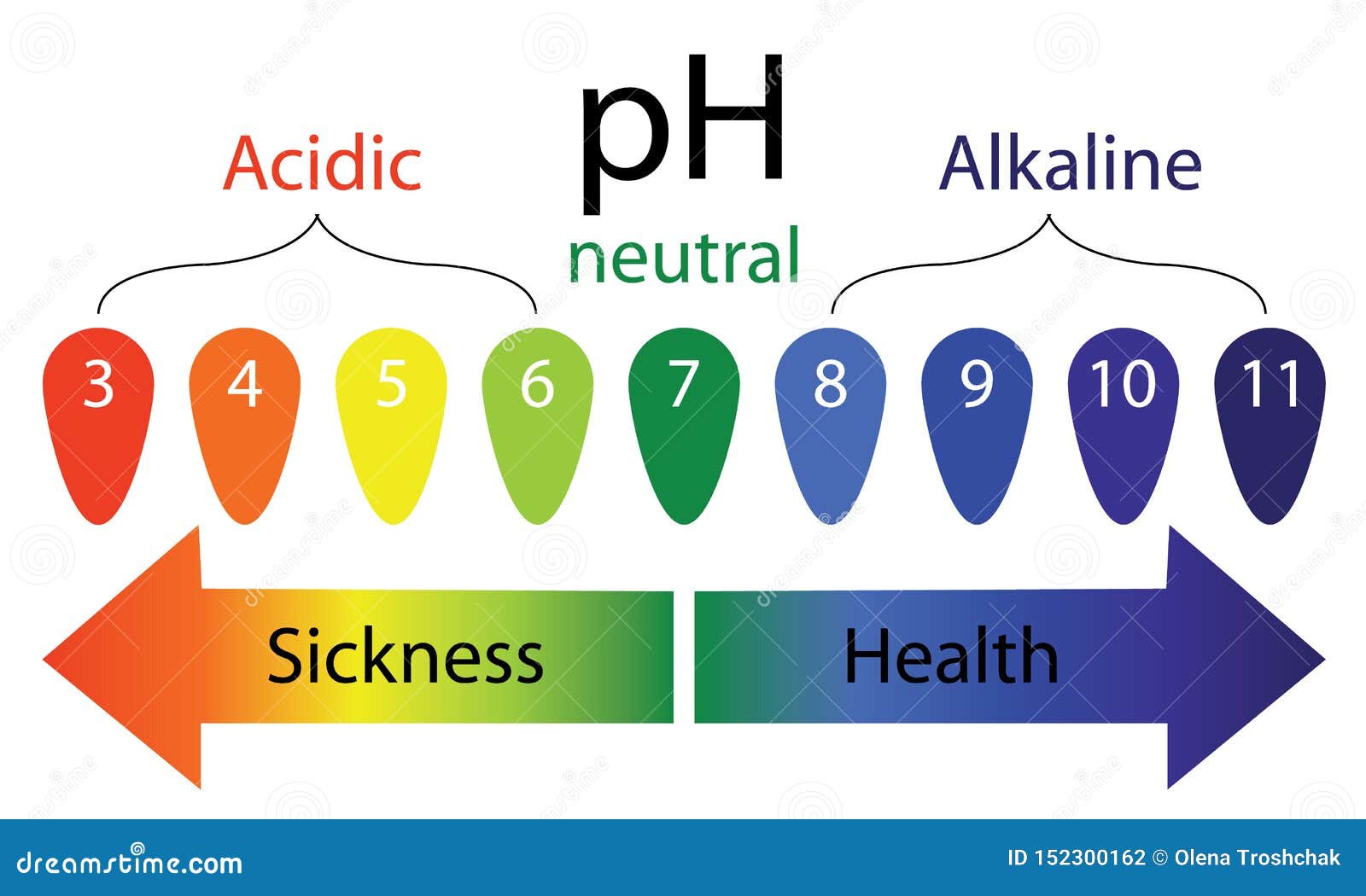 How To Check Ph Value Of Human Body at Marjorie Summerville blog
Why Should You Care? (The Fun Part)
Caring about your pH isn’t about perfection. It’s about listening to your body before it starts screaming. Your body doesn’t give you a neat little manual—but it does give you clues. A consistent acidic reading can show up as that weird afternoon headache, or why your joints pop like bubble wrap when you stand up.
And here’s the warm, fuzzy part: when you balance your pH, you’re not just preventing problems. You’re giving your cells a better environment to do their happy dance. That means better sleep, steadier moods, and maybe even a healthier gut (goodbye, bloating).
Plus, you’ll get to feel like a mad scientist for two minutes. Peeing on a stick and reading a color chart? That’s oddly satisfying—like an at-home science fair where you’re the star student.
Final Gentle Reminder
Your pH is a snapshot, not a verdict. Don’t obsess over a single reading—trends matter more. Check it once a week or after a big holiday food marathon (we all need a little reset after Thanksgiving pie).
And please, don’t chug baking soda or start extreme alkaline diets. That’s like trying to fix a dent in your car with a sledgehammer. Instead, just add one more glass of water, one more handful of greens, and one more deep breath into your day.
Your body already wants to be balanced. You just have to give it a little nudge—and a little laugh—along the way. So go on, grab some test strips, and give your internal pool a check. Your cells are cheering for you.
