How To Remove Tannins From Water

You know that moment when you pour yourself a nice, cold glass of water, expecting a crisp, clean taste, and instead you get something that looks like weak iced tea? Yeah, I’v...
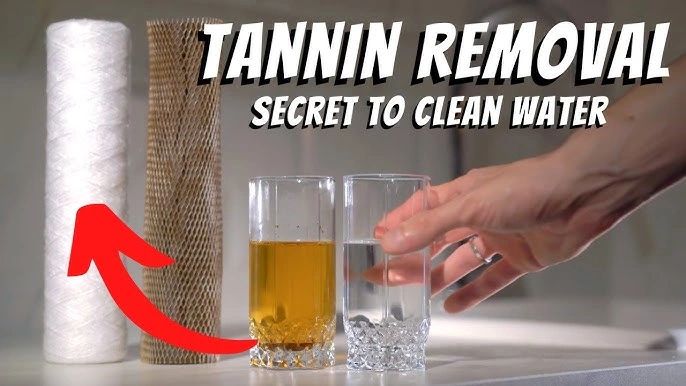
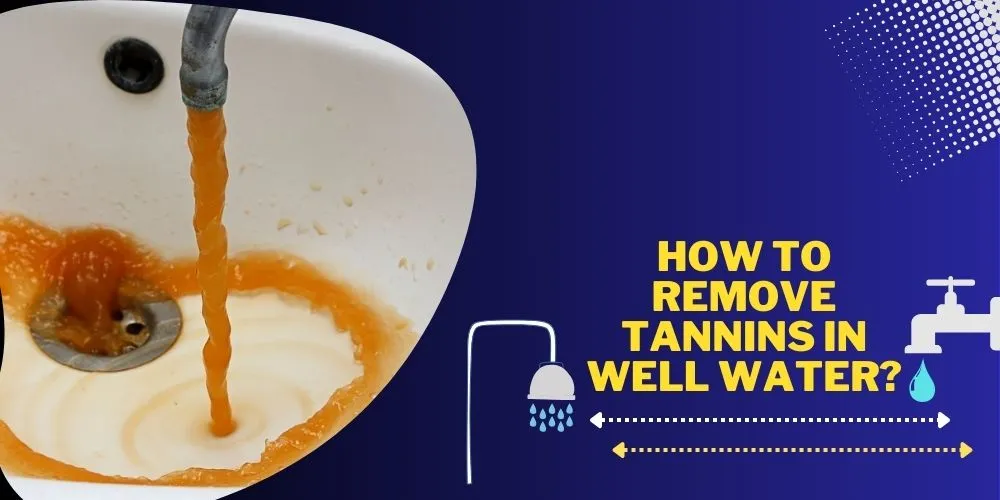
You know that moment when you pour yourself a nice, cold glass of water, expecting a crisp, clean taste, and instead you get something that looks like weak iced tea? Yeah, I’ve been there. It’s like your faucet decided to moonlight as a swanky barista, serving up a “brew” nobody asked for. That murky, yellowish-brown tint isn’t dirt; it’s likely tannins, and they’re crashing your hydration party.
Let’s get real about what tannins actually are. Imagine a tea bag having a meltdown in a puddle. That’s basically what happens when organic matter like leaves, bark, or roots decays in your water source. Mother Nature left her compost pile a little too close to your well, and now you’re paying for it. Tannins themselves aren’t dangerous—they’re actually antioxidants—but they taste like a forgotten forest floor smells.
Why Your Water Looks Like A Haunted Swamp
If you’ve ever dropped a pine needle into a glass, you get the vibe. Tannins are organic compounds that leach into groundwater, especially in areas with lots of peat, moss, or decaying vegetation. It’s the same stuff that makes red wine dry your mouth out and gives black tea that astringent punch. Your water isn’t dirty; it’s just philosophically confused, wondering if it’s a beverage or a biosphere.
Must Read
The funny thing is, you might not even notice at first. You take a sip, and it’s like licking a wet oak branch. Then you check your ice cubes—and they’re yellow. That’s the moment you realize your refrigerator filter has been lying to you. But don’t panic; fixing this is easier than teaching your dog to use a coaster.
The Chlorine Con Job
Some folks will tell you to just dump a ton of bleach into your water. Please don’t. That’s like trying to remove a bad haircut by setting your head on fire. Chlorine oxidizes tannins, turning them into insoluble particles that settle at the bottom, but it also makes your water smell like a public pool. You’ll trade swamp water for swimming lessons, which isn’t a win.
If you’re desperate and have no better options, chlorination followed by a carbon filter works. But honestly, it’s like using a sledgehammer to crack a walnut. Your well water will taste sterile, sad, and vaguely chemical. There’s a better way, I promise.
The Simple Fix: Activated Carbon
Here’s your new best friend: activated carbon filtration. Think of carbon as a microscopic magnet for stain-causing molecules. It’s the same stuff in those fancy Brita pitchers, but it needs to be granular and changed regularly. When water passes through it, tannins get trapped like socks in a lint trap. It’s almost magical, and way less embarrassing than explaining to guests why your faucet looks like it’s crying tea.
 How To Remove Tannins In Well Water In 7 Easy Steps
Install a countertop filter or a whole-house carbon system if you’re fancy. Costco sells them, and no, I’m not sponsored. You just need to swap the cartridges every few months. If you forget, the tannins will throw a comeback tour, so set a reminder on your phone.
The Reverse Osmosis Gambit
For the overachievers out there, reverse osmosis is the nuclear option. It pushes water through a semi-permeable membrane so tight that only H2O gets through. Tannins, minerals, and even your hopes and dreams get left behind. It’s amazing, but it’s also slow and wasteful—every gallon of clean water produces about three gallons of backwash. Think of it as the needy friend of water filters: high maintenance but very effective.
I installed one under my sink once. It took me two hours, and I still have a scar from the wrench. The water was crystal clear, but my patience was murky. If you’re handy, go for it. If you’re like me, just buy a carbon filter and call it a day.
When In Doubt, Add An Anion Exchange
This sounds technical, but it’s just a fancy resin that swaps negative ions. Think of it as a bouncer at a club, grabbing tannins and throwing them out while letting water molecules dance freely. Anion exchange systems look like tall blue cylinders, and they work wonders for stubborn tannin levels. You can find them online or at a hardware store, and they’re easier to install than a ceiling fan.
 How to Remove Tannins from Water?-5 Things You Must Know!
One caveat: the resin needs to be regenerated with salt brine eventually. It’s not hard, just a bit messy. Kind of like cleaning out your refrigerator but slightly less depressing. Do it every six months, and your water will stay clear as a mountain stream.
The Lazy Person’s Last Resort
If all this sounds like too much work, you can always just store your water in a clear jug and let it sit for a day. Sunlight breaks down some tannins through UV exposure, but it’s slow and inconsistent. It’s the “extra rinse cycle” of water treatment. Your water will improve, but you’ll also have a weird collection of plastic jugs on your counter that makes you look like you’re prepping for an apocalypse.
I tried this once. I forgot about the jug for a week, and when I came back, there was algae floating in it. I made things worse. So, you know, don’t do that.
Here’s the bottom line: Tannins are annoying, but they’re not the end of the world. You don’t need a chemistry degree or a plumber on speed dial. Grab a carbon filter, or spend a little more on reverse osmosis if you’re feeling spicy. Your water will go from “yucky puddle” to “mountain spring” in a day. And your friends will finally stop asking if you’re making sun tea every time they visit. Cheers to that.
