Does Blue Light Kill Bacteria

So, my friend Sarah recently bought this fancy blue-light gadget for her kitchen counter. She swears it zaps bacteria off her cutting boards and sponges. I just nodded, sippin...
So, my friend Sarah recently bought this fancy blue-light gadget for her kitchen counter. She swears it zaps bacteria off her cutting boards and sponges. I just nodded, sipping my coffee, while thinking, “Is this real, or is this just another Instagram scam?” You know the vibe—glowing, sleek, promising miracle cleanliness while you scroll at 2 AM.
Well, after some digging, it turns out the answer is surprisingly complicated. Blue light can kill bacteria—but it’s not some magic wand like Sarah thinks. Let’s break down the science without the boring lab coat vibe, okay?
The Science-y Part (But I Promise It’s Short)
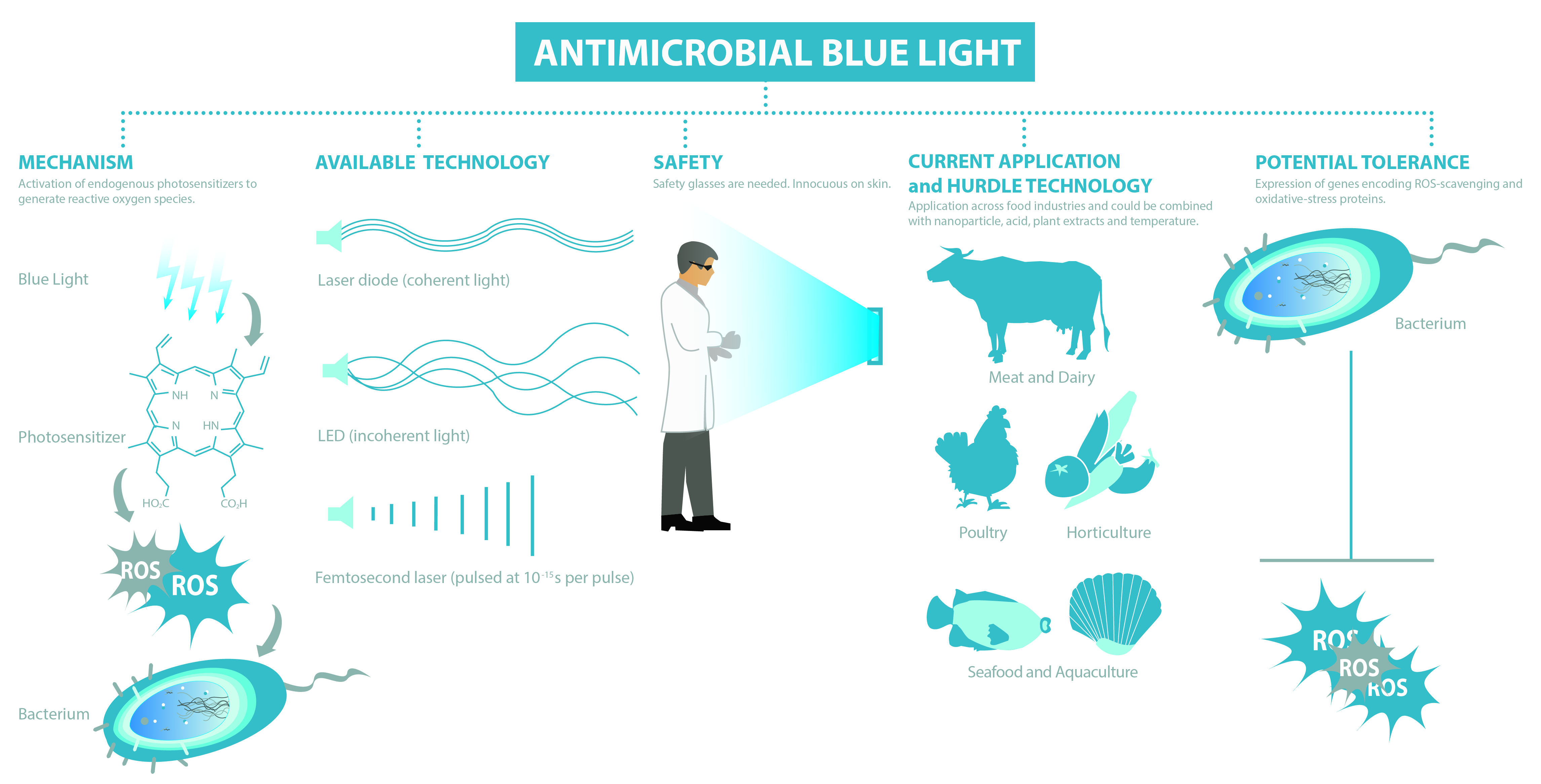
Bacteria are tiny living things, and they hate certain wavelengths of light. Specifically, blue light around 400–470 nanometers messes with their internal chemistry. Imagine a vampire suddenly being forced to sunbathe—that’s basically what happens to some germs.
Must Read
The light triggers molecules inside bacteria called porphyrins. These guys get excited and produce reactive oxygen species—think of them as mini chemical bombs that blow up the bacterial cell from inside. It’s like setting off a firecracker in a tiny apartment. Not bad for a light bulb, right?
But Does It Work on Every Germ? (Spoiler: No)
Here’s where Sarah’s gadget starts looking a bit less magic. Blue light is selective. Gram-positive bacteria (the ones that stain purple in a Petri dish) are more vulnerable. Gram-negative bacteria? They often laugh in the face of blue light because they have a thicker outer shell, like a fortress wall. Your kitchen sponge holds both types, so don’t toss your bleach just yet.
And let’s talk about fungi and viruses. Blue light doesn’t do much to them—they’re built differently. So if you’re trying to kill mold on your shower curtain, that blue-light toothbrush sanitizer won’t help. Sorry, friend.
 Blue Light Kills Bacteria Safe and Affordable. This should be big news!
What About Real-Life Use? (The “Is This Worth My Money?” Section)
Okay, so studies show blue light can reduce Staphylococcus aureus (the “staph” bug) on surfaces by about 90% in some tests. That sounds impressive—until you realize regular old sunlight does that too. Blue light is just a concentrated, indoor version. Sarah’s gadget probably works on certain surface bacteria for a few minutes, but it’s not a sterilizer.
Here’s the catch: duration matters. Most home devices only shine light for seconds or minutes, but bacteria often need hours of continuous exposure to die. So if your gadget beeps and says “done” after 10 minutes? Yeah, that’s marketing, not microbiology. You’d need to leave it on the sponge overnight—like a weird, glowing bedtime story for germs.
The Ironic Twist: Is Blue Light Bad for Us?
Hold up—while we’re nuking bacteria, what about us? Blue light is the same stuff that messes with your sleep if you scroll your phone before bed. Prolonged exposure to high-intensity blue light can damage your retina over time. So that cute desk sanitizer might be killing germs but slowly frying your eyes. Ironic, huh?
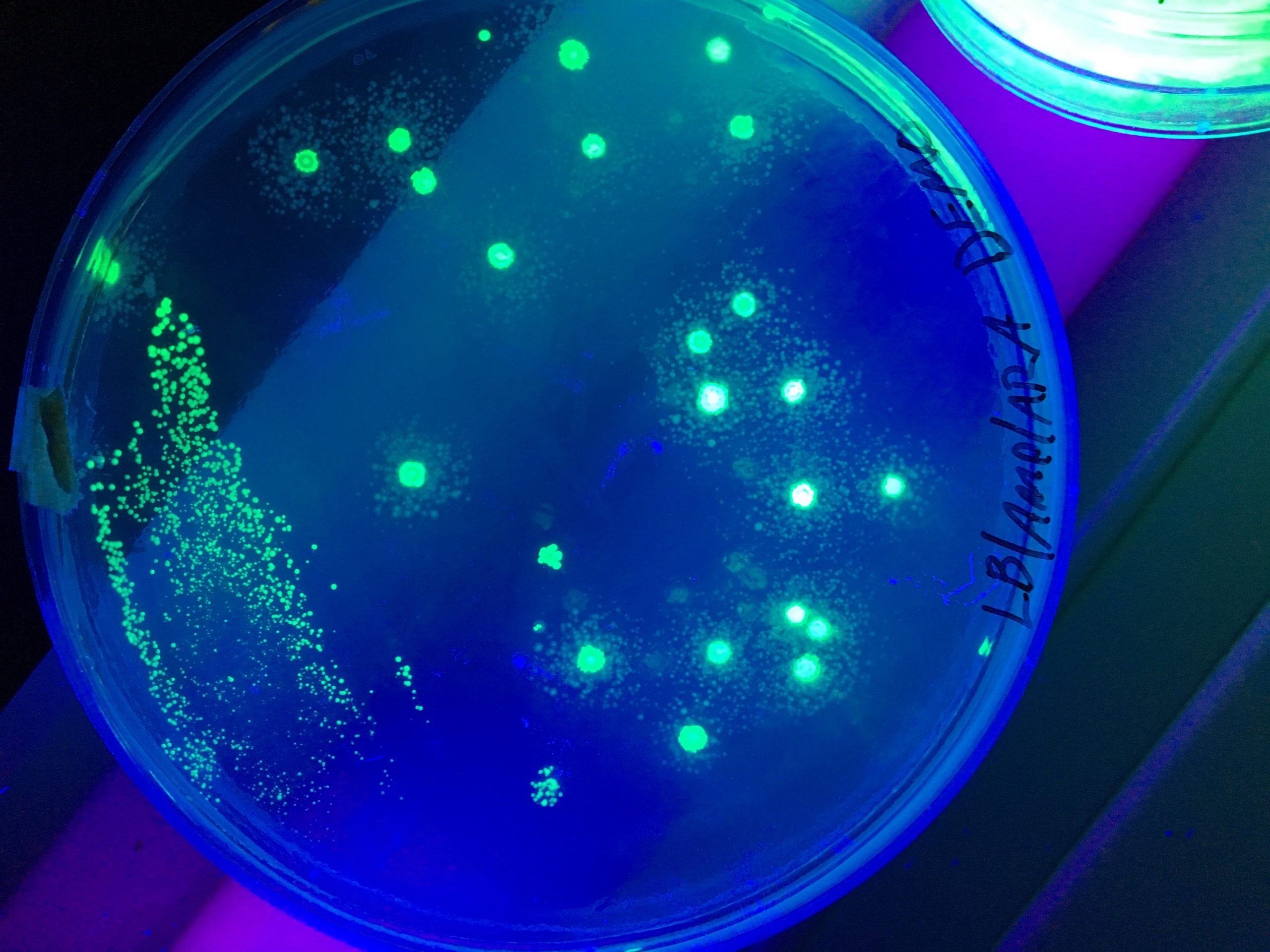 Bacteria Glow Under Uv Light | Shelly Lighting
Also, some bacteria are actually resistant to blue light. A 2020 study found that Pseudomonas aeruginosa (a nasty hospital bug) just shrugs it off. So if you’re using blue light on a wound or a medical device? Don’t. It’s not a substitute for proper cleaning—it’s more like a fancy accessory.
The Bottom Line (How to Feel Smart About This)
So, yes, blue light can kill some bacteria—but it’s not a magic bullet. Think of it like a gentle push, not a knockout punch. Use it on non-porous surfaces (like stainless steel) for hours, and maybe it helps. For your cutting board? Just use soap, water, and trust the old-school methods.
Sarah’s gadget? It’s still on her counter, glowing like a futuristic nightlight. But she now uses it and wipes her sponge with bleach. She’s cautious—which is exactly the vibe you should have. Blue light is cool, but please don’t let it replace good habits. And please, don’t stare at it. Your eyes will thank you.
Now I’ll leave you with this: next time you see a “blue light kills 99.9% of germs!” ad, remember that 99.9% stat is probably from a lab with perfectly controlled conditions. In your real kitchen, with grease, moisture, and random bread crumbs? That number drops faster than my motivation to gym. Stay curious, stay skeptical, and maybe just open a window instead. Sunlight is free blue light, after all.
