What Is Deionization Of Water

You’ve probably heard the term “deionized water” whispered in science labs, or spotted it on a bottle at the grocery store. It sounds intensely technical, like something that...

You’ve probably heard the term “deionized water” whispered in science labs, or spotted it on a bottle at the grocery store. It sounds intensely technical, like something that requires a lab coat and a budget. But trust me, it’s actually one of the most chill and fascinating ways we transform ordinary H₂O into something almost magical.
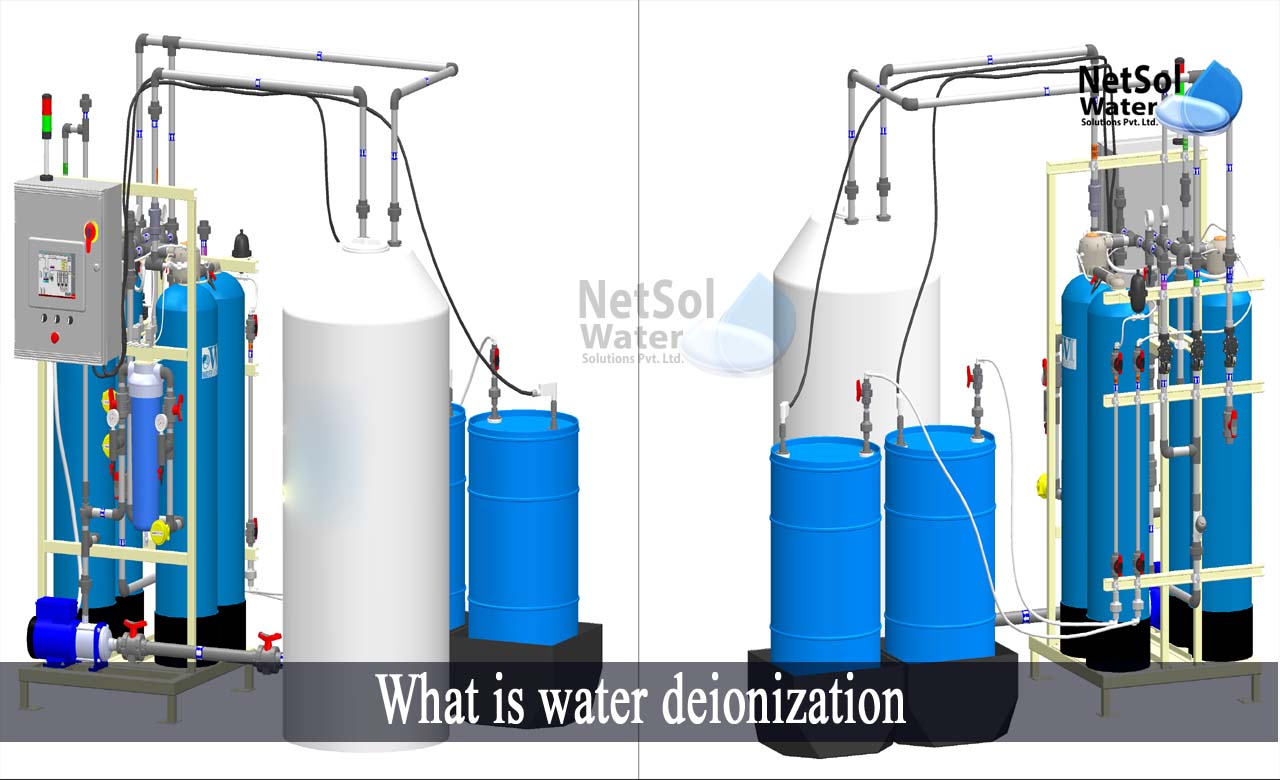
Deionization is essentially a deep cleanse for water. It strips away dissolved minerals—like calcium, magnesium, and sodium—right down to the molecular level. Think of it as a spa retreat for your tap water, where every charged particle gets politely shown the door.
The Secret Life of Ions
All those minerals and salts we mentioned? They exist as ions—tiny atoms with a positive or negative charge. In regular water, they’re floating around like uninvited guests at a party, affecting taste, conductivity, and even how your soap lathers.
Must Read
Deionization uses special resin beads that are basically bouncers. One type attracts positive ions, another snags negative ones. The water passes through, and the ions swap places with hydrogen and hydroxide on the beads, creating pure H₂O. It’s like a chemical handshake that leaves the crowd behind.
Fun Fact: The Beer Connection
Did you know that craft breweries often use deionized water as their base? They add specific minerals back in to mimic the water profiles of Dublin or Munich. You’re basically drinking water that’s been selectively edited for flavor perfection. Yes, deionization is the secret sauce behind your favorite IPA.
And it’s not just beer. High-end coffee shops and tea purists use deionized water to ensure no metallic or chlorine notes interfere with the bean’s natural character. It’s the blank slate of the beverage world.
The Practical Guide: When to Use It (and When Not To)
Now, let’s get real. You don’t need to deionize your entire house. In fact, drinking only deionized water long-term is a bad idea, because our bodies need those trace minerals. Think of it as a tool, not a lifestyle.
Here’s where it shines: cleaning. Use deionized water for your car’s final rinse, and you’ll get a spot-free, streak-free finish because there are no minerals left to dry and leave marks. Same goes for glass windows, mirrors, and even your steam iron (no scaling!).
 What Is Water Demineralization and How Does It Work?-NEWater
Aquarium enthusiasts swear by it for sensitive fish that need very specific water chemistry. Mix deionized water with a small amount of tap water to create the perfect pH balance. It’s like being a mad scientist for your betta fish.
Spot the Difference: Distilled vs. Deionized
People confuse these all the time. Distillation boils water and collects the steam, removing minerals and bacteria. Deionization only removes charged ions, not bacteria or viruses. So for drinking, distillation is safer; for electronics or car care, deionized is often better and cheaper.
Most commercial “purified water” is actually a mix of both processes. Check the label—if it says “purified by reverse osmosis and deionization,” you’re getting the VIP treatment.
The Coolest Thing Nobody Talks About
Here’s a wild one: deionized water is an electrical insulator. Regular tap water conducts electricity because of those dissolved minerals. Strip them away, and the water becomes non-conductive. That’s why labs and data centers use it—to prevent short circuits during cooling and cleaning.
But here’s the kicker: the moment deionized water hits air, it starts absorbing carbon dioxide and becomes slightly acidic again. It’s like a superhero that loses its powers the second it steps outside. Ephemeral purity.
 deionized water とは | sterilized deionized water – EUGU
Your Weekend Experiment
Want to see deionization in action? Buy a small bottle (most hardware stores carry it). Pour a little into a glass, then add a pinch of salt. Watch the water’s conductivity come roaring back—you’ve just undone the magic. It’s science you can taste and touch.
Or, fill a spray bottle with deionized water and spritz your houseplants. Many indoor plants hate the chlorine and salts in tap water. You might see them perk up in a week. That’s not woo-woo; that’s chemistry being kind.
The Daily Life Wrap
So what’s the takeaway? Deionization is a quiet, invisible process that makes our modern world a little cleaner, a little tastier, and a little more precise. From your spotless car windshield to that perfectly balanced IPA, it’s working behind the scenes.
And isn’t that a nice metaphor? Sometimes we all need a little deionization—a way to strip away the unnecessary charges, the mineral buildup of stress, and start fresh. Pure, blank, ready for what’s next.
Next time you see a bottle labeled “deionized,” smile. You’re in on the secret. And maybe grab one for your iron.
