What Does Water Ph Stand For

So, you’re staring at a bottle of fancy water, and it says something like “pH 8.5.” Or maybe you’re trying to keep your fish alive, and the pet store guy tells you to check th...

So, you’re staring at a bottle of fancy water, and it says something like “pH 8.5.” Or maybe you’re trying to keep your fish alive, and the pet store guy tells you to check the pH. You nod along, but inside you’re thinking: What does “pH” even stand for? Don’t worry—it’s simpler than it sounds, and honestly, it’s pretty cool once you get it.
It’s a Fancy Code for “How Acidic Is This?”
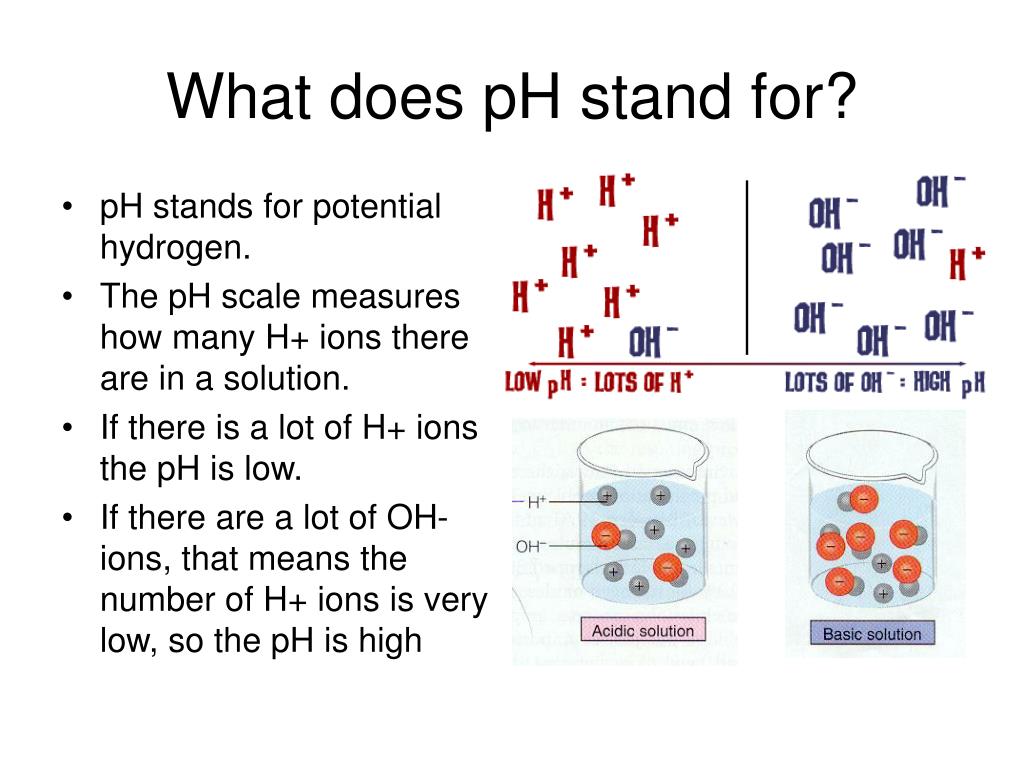
First off, pH stands for “potential of hydrogen.” Yeah, that sounds like science jargon, but stick with me. It’s basically a scale that tells you how many hydrogen ions are floating around in a liquid. More hydrogen ions mean the liquid is more acidic. Fewer means it’s more basic (or alkaline). Think of it like a seesaw: acids weigh down one side, and bases lift the other.
The scale runs from 0 to 14, with 7 being perfectly neutral. Pure water sits right at 7—boring, but balanced. Below 7, things get tangy and aggressive, like lemon juice (pH 2) or stomach acid (pH 1). Above 7, things get slippery and bitter, like baking soda mixed in water (pH 9) or bleach (pH 12). See? Nothing scary—just a ruler for sour vs. smooth.
Must Read
Why Should You Care? (Hint: It’s Everywhere)
Here’s the fun part: pH isn’t just for science labs. It’s in your spit, your skin, and even your soil. When you eat a slice of lemon, your mouth suddenly becomes a little pH battlefield. Your saliva works hard to push things back to neutral—that’s your body’s clever balancing act.
Ever wonder why your coffee tastes bitter if it sits too long? That’s pH shifting. Fresh coffee is a bit acidic (around 5), which gives it that nice bright kick. Over time, it reacts with air and becomes more acidic, turning sour and harsh. So next time you sip a bad cup, blame the rising hydrogen ions.
Let’s Compare It to Something Fun
Think of pH like the Goldilocks of chemistry. Too acidic, and things get corrosive—like a car battery (pH 1) that can eat through metal. Too basic, and things get nasty—like oven cleaner (pH 13) that dissolves grease. But right in the middle? That’s where life thrives. Your blood, for example, hovers around pH 7.4. Stray a tiny bit, and you’re in trouble. Lucky for you, your body has built-in pH bodyguards.
 Does It Matter What Ph Water You Drink at Elmer Pritchard blog
Here’s a weird comparison: pH is like the mood of water. If water were a person, a pH of 6 would be slightly grumpy—annoying but harmless. A pH of 2 would be full-on rage, ready to burn you. A pH of 10 would be so chill it’s almost slippery. Neutral? That’s your average Tuesday—nothing special, but safe.
Why Is It in Water Bottles?
You’ve probably seen alkaline water brands bragging about pH 8.8 or 9.2. They claim it “balances” your body’s acidity. But here’s the honest truth: your stomach acid is around pH 1.5 to 3.5—crazy strong. Drink a glass of pH 9 water, and your stomach immediately dumps acid to bring it back down. So that fancy water? It’s mostly just overpriced hydration. Doesn’t mean it tastes bad, though—some people swear it’s smoother.
On the flip side, acidic drinks like soda or orange juice can temporarily mess with your mouth’s pH. That’s why dentists warn you not to brush right after—you’re essentially scrubbing acid into your enamel. Wild, right?
 PPT - Understanding Atoms and Interactions: A Comprehensive Overview
The Real Magic: It Explains Your World
Here’s where it gets mind-blowing. pH affects whether your plants grow. Blueberries love acidic soil (pH 4.5 to 5.5), while lavender prefers more alkaline ground (pH 7 to 8). If you’ve ever killed a plant, maybe it wasn’t your neglect—it was the wrong pH. Suddenly, you’re a detective for dirt.
Even rain has a natural pH of about 5.6 thanks to carbon dioxide in the air. But when pollution makes it more acidic—around 4 or 3—you get acid rain. That’s not just bad luck for statues; it messes up lakes, kills fish, and weirdly, can make water look crystal clear while being deadly inside. So pH is like a secret code for water’s personality.
So, What Does It All Mean for You?
In the end, “pH” is just a handy label that tells you if something is friendly, aggressive, or neutral. You don’t need a chemistry degree to use it—just a bit of curiosity. Next time you see a number on a bottle or a pool test kit, you can smirk and think, “Hey, I know what that stands for.”
It’s potential of hydrogen, but really, it’s the potential to understand why your coffee tastes bitter, why your fish looks sad, or why that expensive water is just a marketing trick. And that’s pretty cool for a three-letter word, don’t you think?
