What Is Ph Of Pure Water

Okay, let’s talk about something that sounds super scientific but is actually just water. You know, the stuff you drink, shower in, and cry into at 2 AM. What’s the pH of pure...
Okay, let’s talk about something that sounds super scientific but is actually just water. You know, the stuff you drink, shower in, and cry into at 2 AM. What’s the pH of pure water? Spoiler: it’s not 7.0 because some marketing guy made that up. Grab your mug, and let’s dive in.
The Magic Number: 7.0 – Or Is It?
Most people will tell you pure water has a pH of exactly 7.0. And they’re right, technically. But only under perfect conditions, like a chemistry lab that smells faintly of desperation and disinfectant. At room temperature, 25°C (77°F for my American friends), pure water is neutral—right in the middle of the pH scale.
But here’s the kicker: water is a little bit of a drama queen. It loves to react with stuff. Pure water doesn’t just sit there; it constantly breaks apart into hydrogen ions (H⁺) and hydroxide ions (OH⁻). It’s like a tiny, invisible dance party. The number of those dancing ions determines the pH.
Must Read
When the dance is perfectly balanced—equal parts H⁺ and OH⁻—you get that sweet 7.0. It’s pure, neutral, and boring—in a good way. Think of it as the beige paint of chemistry.
But Wait – Temperature Changes Everything
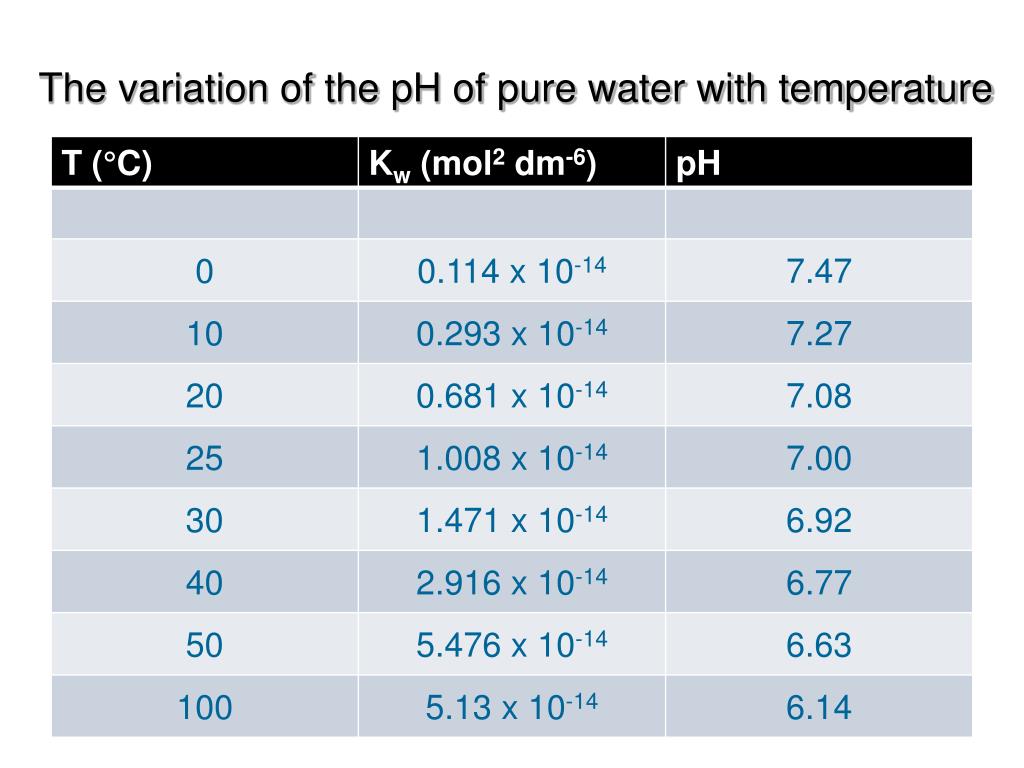
Here’s where things get funny. If you heat up that pure water, its pH drops below 7.0. Wait, does that mean hot water is acidic? No! Don’t panic. At higher temperatures, water just gets a little hyperactive. More H⁺ ions appear, so the number drops. But it’s still neutral because the OH⁻ ions increase too. It’s a tie.
So, if you boil pure water, its pH might be like 6.5. But it isn’t acidic—it’s just playing by temperature’s rules. Confused? Good. That’s the fun part. Chemists love this stuff because it makes them feel smart.
Bottom line: pH 7.0 is the standard, but only at standard temperature. Once you crank up the heat, that number starts to wobble. Water is basically a shape-shifter in a lab coat.
But What About Tap Water? Or Bottled Water?
Oh, honey. Tap water is not pure water. Neither is that fancy spring water in a glass bottle that costs more than your lunch. Pure water is H₂O and nothing else. No minerals, no dissolved gases, no tiny bits of pipe. Just water.
 What is the pH value of pure water? - YouTube
That means your tap water has a pH that swings from 6.5 to 8.5, depending on where you live. It’s got calcium, magnesium, and sometimes a little trace of your neighbor’s laundry detergent. Yum. Pure water, by contrast, tastes like nothing—literally. It’s so clean it’s almost offensive.
Ever had distilled water? That’s close to pure water. It’s flat, lifeless, and tastes like a blank stare. People hate it. You’d rather drink from a garden hose, honestly. Pure water is chemically beautiful but terrible for sipping.
The Cosmic Joke: Pure Water Doesn’t Stay Pure
Here’s the real mind-bender: as soon as you pour pure water into a glass, it starts absorbing carbon dioxide from the air. That CO₂ turns into carbonic acid, and suddenly your neutral water is a little acidic—around pH 5.5 to 6.0. Boom. Your pure moment is gone.
So, can you ever taste true pH 7.0 water? Only if you work in a super-clean lab, drink it immediately, and have no sense of taste or smell. Otherwise, you’re basically drinking weakly carbonated water. That’s right—your glass of “neutral” water is actually a tiny bit acidic because of the air around you. Mind. Blown.
Scientists have to be super careful. They use special containers, pure gases, and a lot of fancy equipment just to keep water at pH 7.0 for more than a second. It’s like trying to keep a cat in a bathtub—unlikely and messy.
 What is pH of Water?- Everything You Should Know About Water
Why Should You Care? (Spoiler: You Probably Shouldn’t)
For 99% of us, the pH of pure water is a trivia answer. It’s a 7.0, end of story. Don’t lose sleep over it. But if you’re a fish owner, a brewer, or a skincare fanatic, then you care. Fish gills are sensitive, beer tastes weird at wrong pH, and your face might scream if the pH is off.
For the rest of us, it’s just a cool fact to drop at parties. “Did you know pure water is actually slightly acidic if you leave it out?” Watch people’s eyes glaze over. It’s great for making an exit from boring conversations.
So next time someone brags about their “alkaline water” or “pH-balanced” whatever, just smile. Tell them real pure water is neutral, boring, and impossible to keep that way. Then take a sip of your slightly acidic, carbon-dioxide-infused tap water. Cheers.
The Takeaway (Yes, There’s One)
Pure water’s pH is exactly 7.0—at 25°C, with no impurities, and if the solar flares are aligned. In real life, it’s a moving target. But that’s okay. Water doesn’t need a perfect score to be amazing. It’s the stuff of life, even if it tastes like a wet sock sometimes.
So go ahead, pour yourself a glass. It might be a 6.8 or a 7.1. Who cares? Just drink it. And if anyone asks, you can now say, “Well, it depends on the temperature and the CO₂ levels, obviously.” Then wink. You’re a water expert now. You’re welcome.
