Does Uv Kills Bacteria

Last week, I watched my neighbor, Dave, point a weird-looking wand at his kitchen counter for ten minutes. He said it was a UV light “sanitizer” he bought online. I just nodde...

Last week, I watched my neighbor, Dave, point a weird-looking wand at his kitchen counter for ten minutes. He said it was a UV light “sanitizer” he bought online. I just nodded, sipping my coffee, wondering if he’d finally lost it.
But then he handed me a petri dish (yes, actually a petri dish). The side zapped by his wand was basically spotless. The other side? A gross little bacterial forest. And I thought... okay, maybe Dave isn’t crazy. Maybe UV really does kill bacteria.
So, What’s the Deal with UV Light?
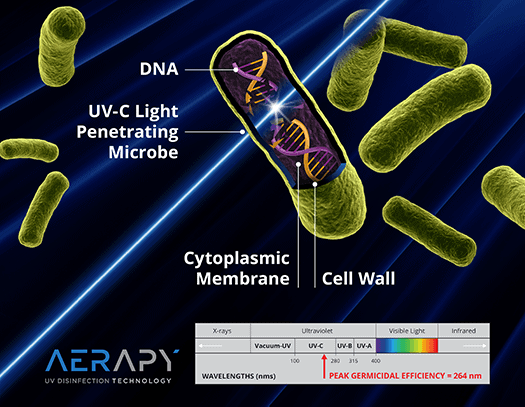
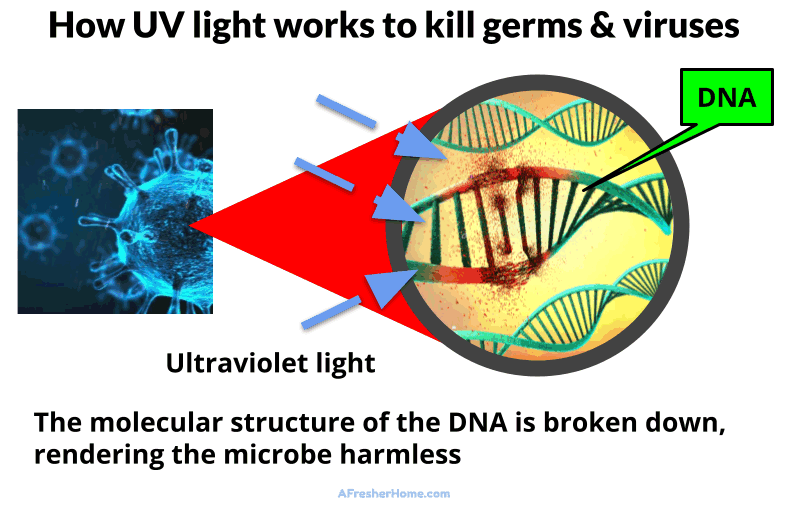
It’s not magic, but it’s close. UV light, specifically UVC, is like a tiny wrecking ball for germs. The energy from those wavelengths literally shreds the DNA and RNA of bacteria, viruses, and fungi.
Must Read
Think of it like this: a bacterium’s genetic code is its instruction manual. UV light comes in, snaps the manual in half, and the cell can’t replicate. Game over, little germ.
(Yes, it sounds violent. But honestly? Good riddance.)
But Wait—Not All UV Is Created Equal
You probably already have UVA or UVB light coming through your window right now. That’s the stuff that tans your skin or burns it. Spoiler: it won’t kill bacteria.
Only UVC has the proper “punch” to disinfect. And the sun’s UVC gets mostly filtered by the ozone layer. So no, sitting in a sunbeam won’t sterilize your phone. (Sorry, Dave.)
This is why those little handheld UV wands—like Dave’s—specifically use UVC bulbs. They mimic the sun’s harshest, most germicidal rays.
Does It Actually Work? (The Science-y Part)
Short answer: yes, it works—but only under certain conditions. UVC is incredibly effective on smooth, non-porous surfaces. Think metal, glass, plastic. It can zap up to 99.9% of bacteria in seconds if the light hits them directly.
But here’s the ironic catch: UVC can’t see around corners. It travels in straight lines, so anything in a shadow—under a crumb, inside a crevice—stays alive. Bacteria are sneaky like that.
 How Does Uv Light Kill Bacteria | Gas Furnace
And if the light is too far away? Or if the bulb is old? The dose drops, and you’re basically waving a fancy flashlight at your doorknob. Pointless, but dramatic.
What About Those UV Phone Sanitizer Boxes?
You’ve seen them on Instagram—little shiny boxes you drop your phone into. They actually work, mostly. The trick is that they enclose the device, so the UV light bounces off reflective surfaces inside. That solves the “shadow problem.”
But you still have to flip your phone over halfway through. Because, you know, physics hates flat surfaces. Inconvenient, but not a dealbreaker.
Bottom line: if you buy a cheap knockoff from a weird website, you might just be paying for a blue LED and a prayer. Stick with brands that prove their UVC output with lab tests.
The “Danger” Side (Because Nothing Is Simple)
Here’s the part nobody tells you: UVC light is not safe for your skin or eyes. It causes a nasty sunburn—like, a painful one—in seconds. And your corneas? They don’t like it either.
So, if you buy a UV wand, never look at the bulb while it’s on. And don’t wave it at your hands thinking it’s hand sanitizer. It’s not. Your hands will regret it.
This is why many commercial UV sanitizers have safety sensors. They turn off automatically if you tip them or open the lid. Clever, right? Please, for the love of your retinas, buy one with a sensor.
Does UV Kill Bacteria in Water or Air?
Yes! In fact, UV water purifiers have been used for decades. They’re a favorite for hikers and emergency kits. The water flows past a UVC lamp, and poof—no more creepy microbes.
 Uv Light Effect On Bacteria at Johnathan Olivar blog
For air? Those UV air purifiers in hospitals? They work, but only if the air moves past the light slowly enough. Most home gadgets just bathe a fan in UV, which kills a bit but won’t sanitize your whole room. Marketing at its finest.
If you have a mold problem in your AC, UV can help. But for casual “fresh air”? Open a window. Your lungs will thank you.
So, Should You Buy a UV Sanitizer?
Maybe. If you’re cleaning keys, phones, remote controls, or toothbrushes, a quality UVC box is a fun, chemical-free option. It’s also great for areas where you can’t use bleach—like electronics.
But for general household cleaning? Soap and water still win. They physically wash away germs and dirt. UV only zaps what it sees. And bacteria love to hide in gunk.
Think of UV as your extra weapon, not your only one. Use it after you’ve wiped the counter, not instead of. It’s the sequel to cleaning, not the original movie.
The Verdict (Finally)
Does UV kill bacteria? Yes, it absolutely does. But only when used correctly—the right wavelength, the right distance, the right surface. And with the right respect for how powerful it is.
So, go ahead and get that UV wand if you want. Just remember: keep it away from your eyes, your skin, and your neighbor’s petri dish. Unless, of course, you’re trying to win a science bet with Dave.
And hey—if nothing else, it makes you feel very futuristic. Like a Jedi for germs. That alone is worth something, right?
