How To Make Di Water

So, you want to make DI water. That’s deionized water, the fancy stuff that costs a fortune in bottles. It’s basically water that’s been stripped of all its personality—no min...
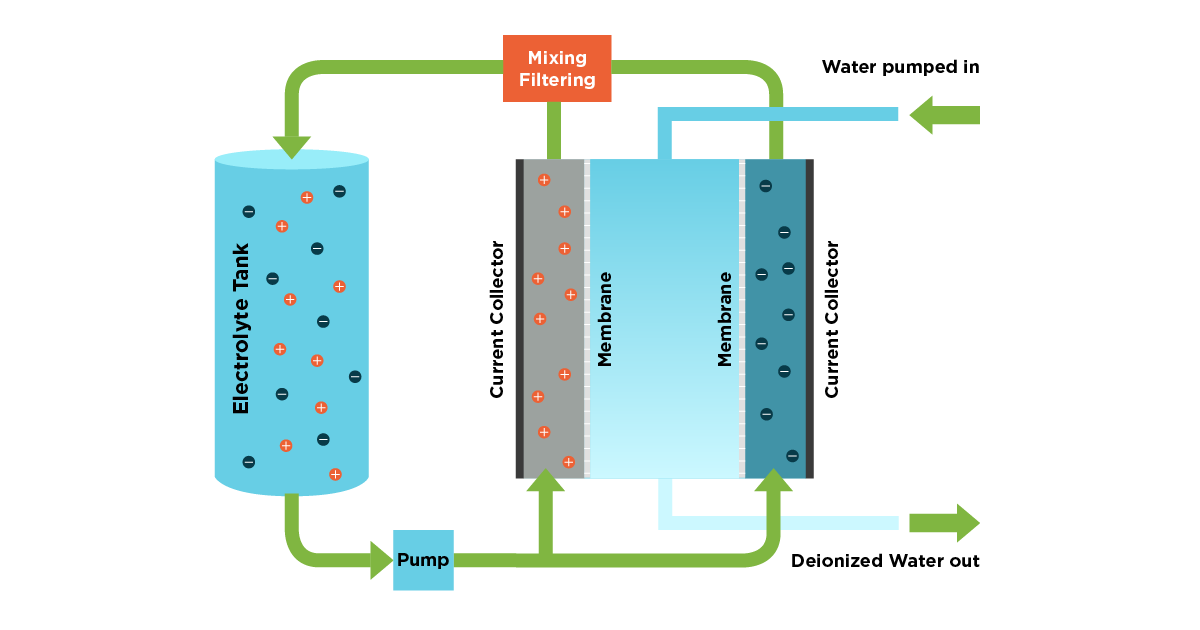
So, you want to make DI water. That’s deionized water, the fancy stuff that costs a fortune in bottles. It’s basically water that’s been stripped of all its personality—no minerals, no salts, no ego. Think of it as the Marie Kondo of H2O: it sparks no joy, but it’s incredibly useful for things like filling your iron, cleaning lab gear, or topping off a car battery. It’s the water equivalent of a blank canvas, but making it at home is a surprisingly satisfying little science project.
Let’s be real: you don’t need a PhD in chemistry for this. The process is simpler than convincing your cat to get off the keyboard. You’ll need a few basic items: a plastic bucket, some tubing, and a special resin that acts like a bouncer at a club, kicking out all the unwanted guests (calcium, magnesium, and other minerals). The whole thing feels like a low-budget home brew, but you’re brewing nothingness instead of beer.
The Setup: Your Kitchen Lab
First, grab a clean plastic container—an old 5-gallon bucket from the hardware store works perfectly. This will hold your tap water. Then, you need a DI resin cartridge, which you can buy online for about twenty bucks. It looks like a giant tube of toothpaste filled with tiny, crazy-colored beads.
Must Read
Now, attach a piece of flexible tubing to the bottom of the bucket. Use a simple aquarium pump or just let gravity do the heavy lifting by hanging the bucket high. Trust me, gravity is your friend here—it’s cheaper than a pump and you won’t be cursing at a noisy machine at 10 PM.
The Magic: Let the Bouncers Work
Here’s the fun part: run the tap water through the resin cartridge. The beads inside are like tiny, electrified sponges that latch onto dissolved minerals. As the water passes through, it comes out the other side as pure, boring, perfect water. You’ll know it’s working because the water will feel a little slippery compared to tap water—like it’s been conditioned.
I remember my first batch. I filled the bucket, connected the hose, and waited. Nothing happened for a minute. Then a thin stream of water trickled out. It looked exactly like regular water. I tasted it (don’t do this—it’s not for drinking) and it was weirdly empty, like drinking a cloud. My wife asked, “Is it working?” I said, “It’s working so hard it made the water boring.” She rolled her eyes, but I felt like a wizard.
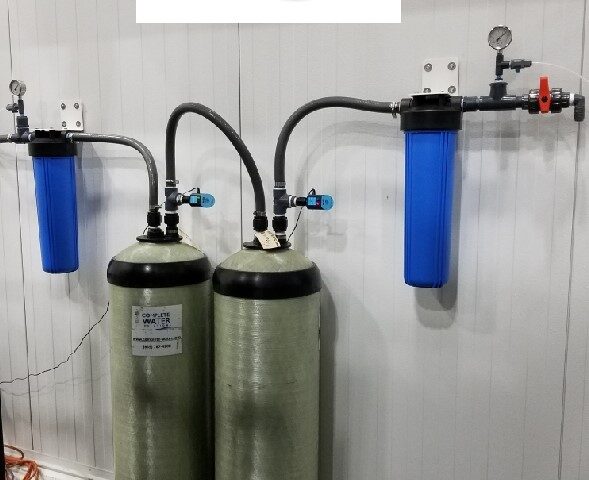 How to Make Deionized Water | Complete Water Solutions | DI
The Hiccups: When Bouncers Get Tired
Eventually, the resin beads get full. They’re like that friend who eats all the snacks at a party—once they’re stuffed, they stop working. You’ll know the resin is exhausted when your “pure” water starts tasting like tap water again. That’s when you need to regenerate the resin or buy a new cartridge. Regeneration involves soaking the beads in a strong acid and base solution, which sounds scary, but it’s actually just mixing a little muriatic acid and lye.
Warning: do not breathe the fumes. Seriously, open a window. I once tried to regenerate resin in my basement with the door closed. Five minutes later, I felt like I was auditioning for a role in a chemical spill movie. My eyes watered, and my neighbor’s cat—who has a sixth sense for trouble—started meowing outside the window. Lesson learned: ventilate like you’re preparing for a hurricane.
What to Do With Your DI Water
Now you’ve got a bucket of the most neutral, flavorless, anti-social water on earth. Use it to clean your windows without streaks, or fill a humidifier so you don’t get white dust everywhere. My favorite win: I use DI water for my espresso machine. The mineral buildup stopped, and my coffee tastes like actual coffee instead of rocky grit.
 What Is Deionized Water And How Can It Be Prepared at Ronald Wooton blog
Don’t drink it, though. Seriously, it’s not poisonous, but it will pull minerals from your teeth and leave you feeling dehydrated. It’s like eating celery—you’re just moving water around without getting anything back. Save it for your car battery or your iron. Your body will thank you for sticking with spring water.
The Big Picture
Making DI water is a small, weird rabbit hole that makes you feel like a mad scientist. You take something ordinary (tap water) and turn it into something extraordinary (super boring water). It’s oddly meditative—watching the drip, drip, drip of purified nothingness. And when you’re done, you can proudly say, “I made this. It is the most uninteresting thing I’ve ever produced, and I love it.”
So go ahead, buy a bucket and some resin. Set it up in your garage or laundry room. Accidentally spill a little on the floor and pretend you’re a chemist. The next time someone asks, “How do you make DI water?” you can say, with a straight face, “Easy. Just remove its soul.” They’ll nod, smile, and probably ask you to make a cup of coffee. And you’ll have the perfect water for it.
