Best Reverse Osmosis Water System For Home

So, you’ve decided to take the plunge into the wild world of home water filtration. You’re tired of tap water that tastes like a swimming pool had a bad breakup with a rusty p...

So, you’ve decided to take the plunge into the wild world of home water filtration. You’re tired of tap water that tastes like a swimming pool had a bad breakup with a rusty pipe. Or maybe you’re just tired of buying plastic bottles and pretending you’re saving the planet one sip at a time. Either way, welcome to the land of Reverse Osmosis—the Beyoncé of water purification systems.
Let’s be real: most water filters are like putting a band-aid on a broken dam. But Reverse Osmosis? That’s the nuclear option. It pushes water through a semi-permeable membrane so tight that even bacteria have to show ID. We’re talking about removing 99% of contaminants, including lead, chlorine, fluoride, and that weird metallic tang your coffee’s been rocking lately.
Why Your Taste Buds Are Lying to You
Here’s a mind-bender: your tap water is legally “safe.” But so is a wet sock—it won’t kill you, but you don’t want it in your mouth. Municipal water plants add chlorine to kill germs, but that leaves a chemical aftertaste that makes your morning orange juice taste like a science experiment. A good RO system strips that out, leaving water so pure it’s almost disrespectful to the tap.
Must Read
Surprising fact: a single RO system can remove up to 1,000 different pollutants. That’s more than the FDA bans from hot dogs. And hot dogs are basically processed dreams of regret, so take that as you will.
The Showdown: Which RO System Wins?
You don’t need a Ph.D. in plumbing to pick the right one. Let’s break it down into three tier levels: Budget Bro, Middle-Class Hero, and “I Have a Pinterest Board for My Under-Sink” . Spoiler alert: the best one isn’t the most expensive.
 15 Best Reverse Osmosis Water Systems in 2026 (Buyers Guide & Reviews
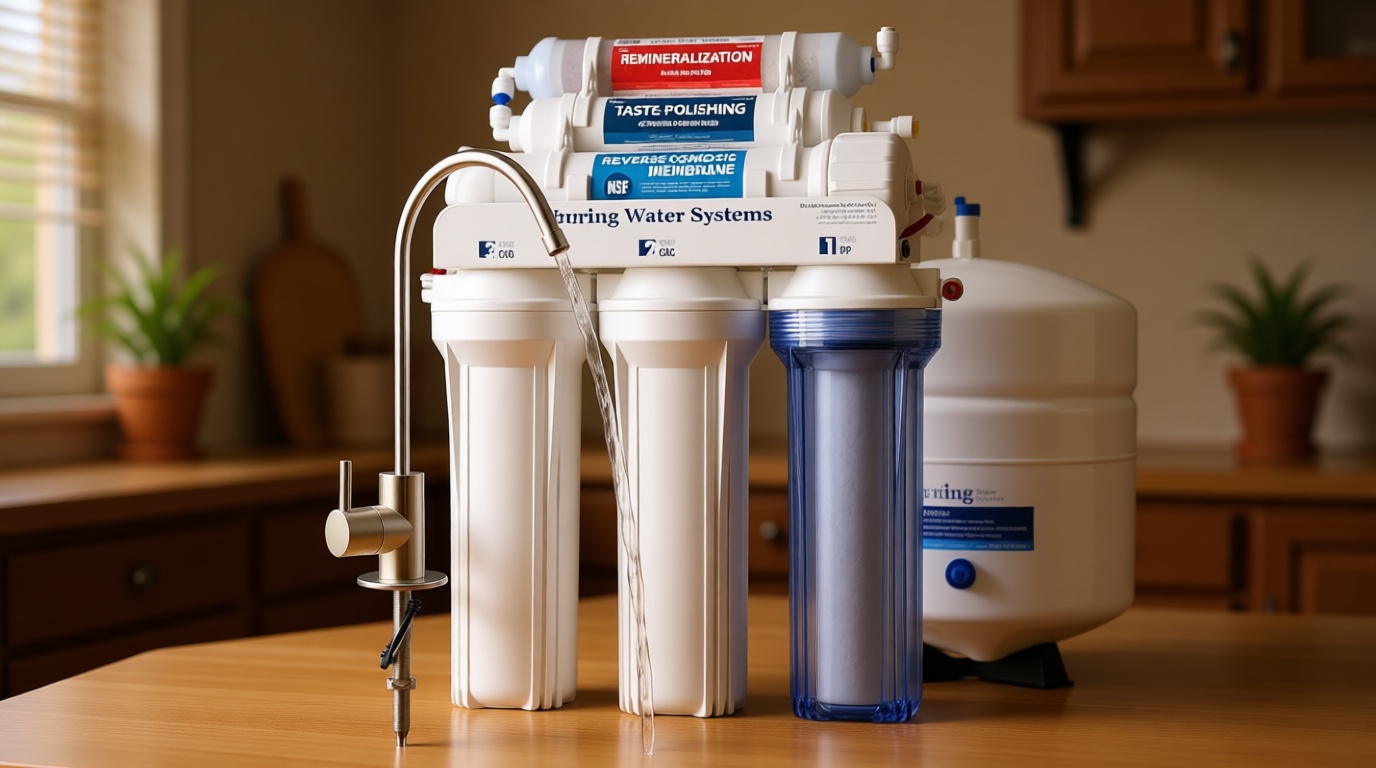
For the Budget Bro, check out the APEC Water Systems ROES-50. It’s like the Toyota Camry of RO: boring, reliable, and won’t bankrupt you. It filters up to 50 gallons a day, which is enough for a family of four who doesn’t drink like a fish in a desert. The downside? Installation is a bit like assembling IKEA furniture after three glasses of wine—frustrating but doable.
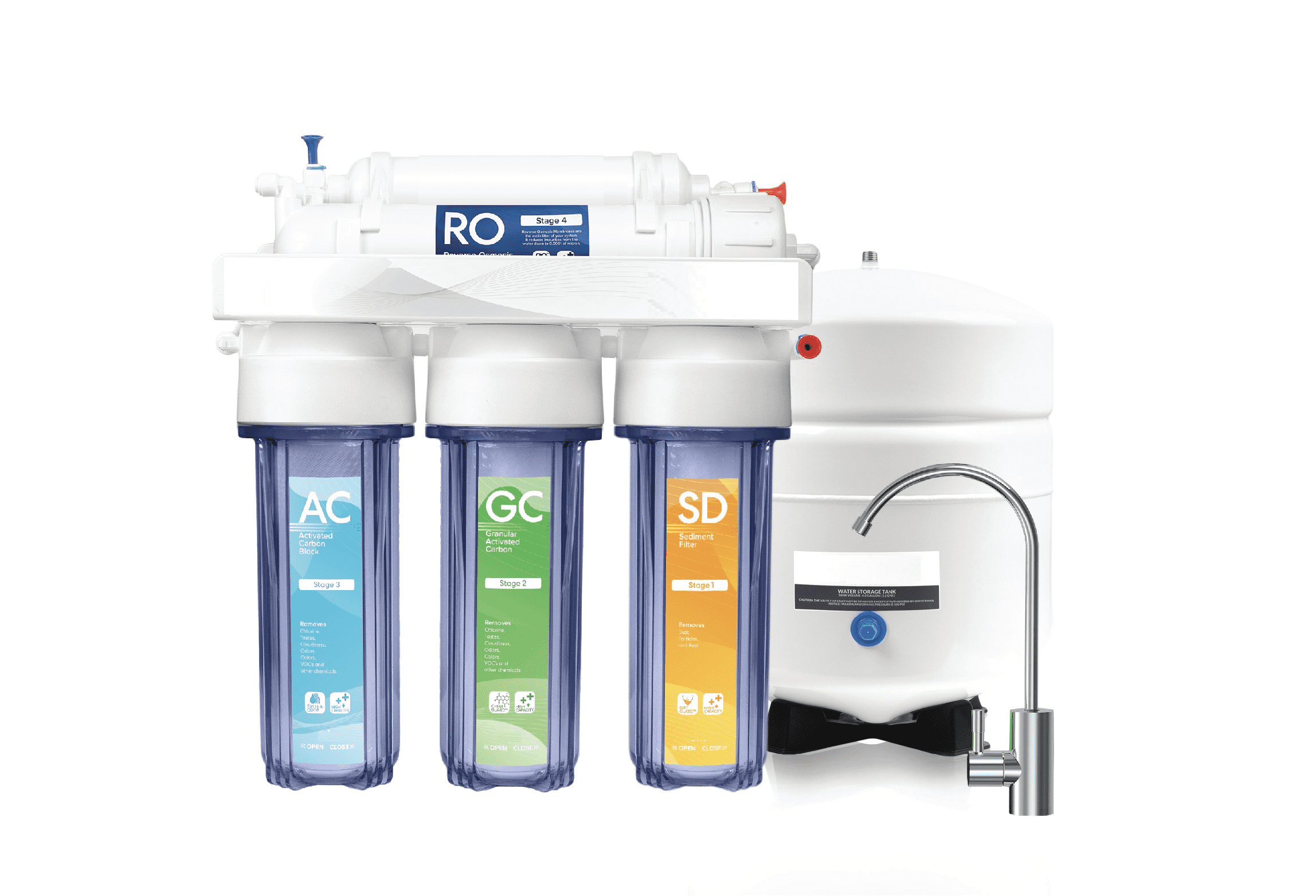
The Middle-Class Hero is the iSpring RCC7. Yes, the name sounds like a robot from a sci-fi B-movie, but this beast includes a five-stage filtration process. That’s right: sediment filter, carbon block, RO membrane, and two more carbon filters because why stop at overkill? It also comes with a clear housing so you can watch the magic happen. It’s like a lava lamp, but for clean conscience.
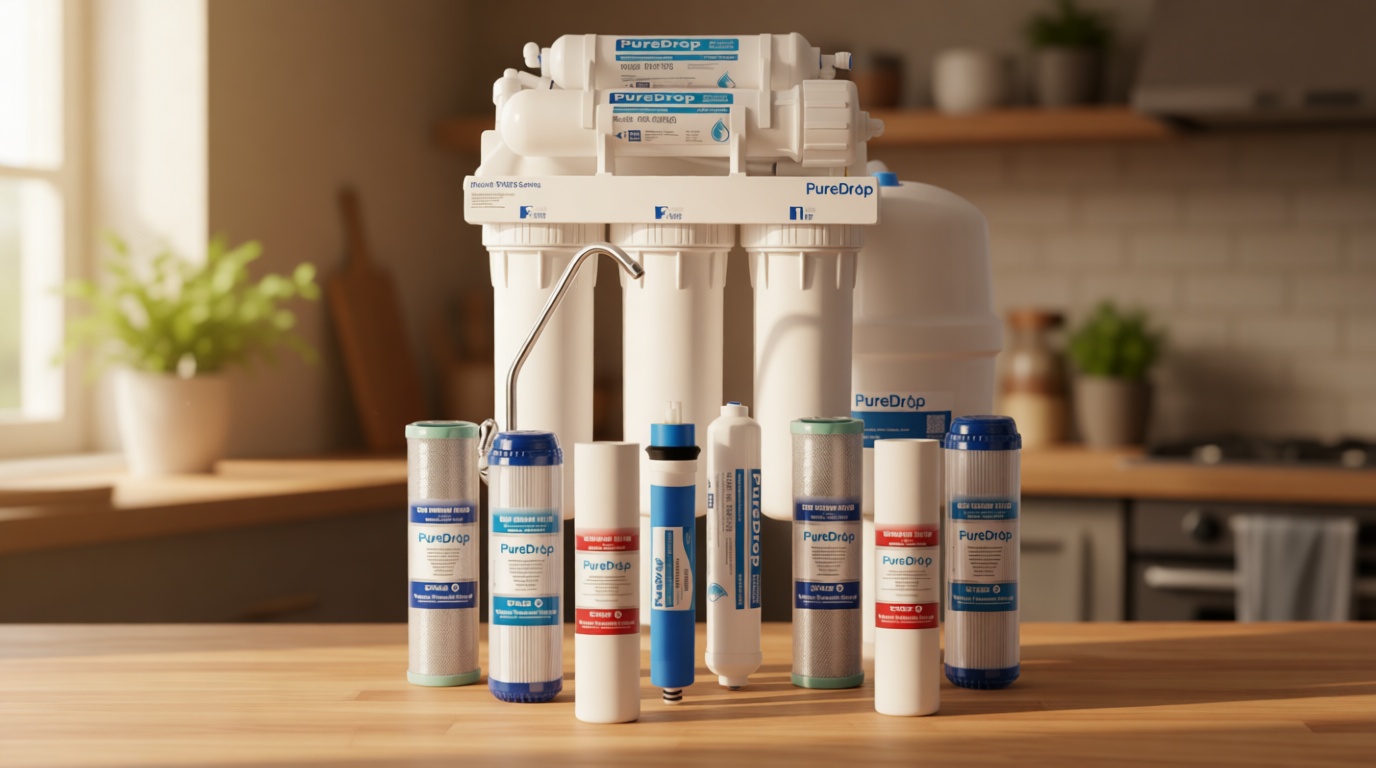
If you want to impress your friends and confuse your plumber, go for the Waterdrop G3P600. This is the iPhone of RO systems—sleek, smart, and it has a tankless design that frees up space under your sink. Plus, it’s Wi-Fi enabled. Yes, your water filter now has a smarter social life than you. It monitors water quality in real-time and sends alerts to your phone. “Your TDS levels are low. Have you considered a hobby?”
 15 Best Reverse Osmosis Water Systems in 2026 (Buyers Guide & Reviews
Wait, Is RO Water Too Pure?
Oh, here comes the most overblown myth since “you need to drink eight glasses of water a day” (which is actually a 1945 guideline from a food board, not science). People claim RO water “leaches minerals” from your body. That’s like saying a salad will steal flavor from your steak. Your body gets minerals from food, not from the H₂O you flush through your kidneys. Unless you’re drinking rocks, don’t worry.
But if you’re paranoid, some RO systems include a mineral cartridge that adds back calcium and magnesium. It’s like sprinkling fairy dust on your water to make it taste like a mountain spring, even though you live in a suburb with a lawn gnome.
 5 Stage: Complete Home Reverse Osmosis Drinking Water Filtration System
The Secret Weapon to Buy
My pick for the absolute best value is the APEC Essence RO-90. It’s the upgrade to the Budget Bro, with a 90-gallon-per-day capacity and a four-stage filtration that’s so smooth, Jesus would use it if he were a plumber. It installs in about 30 minutes, even for a person who thinks a wrench is a type of sandwich. The taste? So clean that your ice cubes will try to apologize for tasting like freezer burn.
One more shocking fact: a typical RO system uses about 3 gallons of waste water for every 1 gallon of clean water. That sounds terrible until you realize your washing machine wastes 27 gallons per load and your toilet could water a small jungle. Plus, you can repurpose the “waste” water for your plants—they won’t spill the tea on your slightly bougie filtration flex.
The Unofficial Checklist
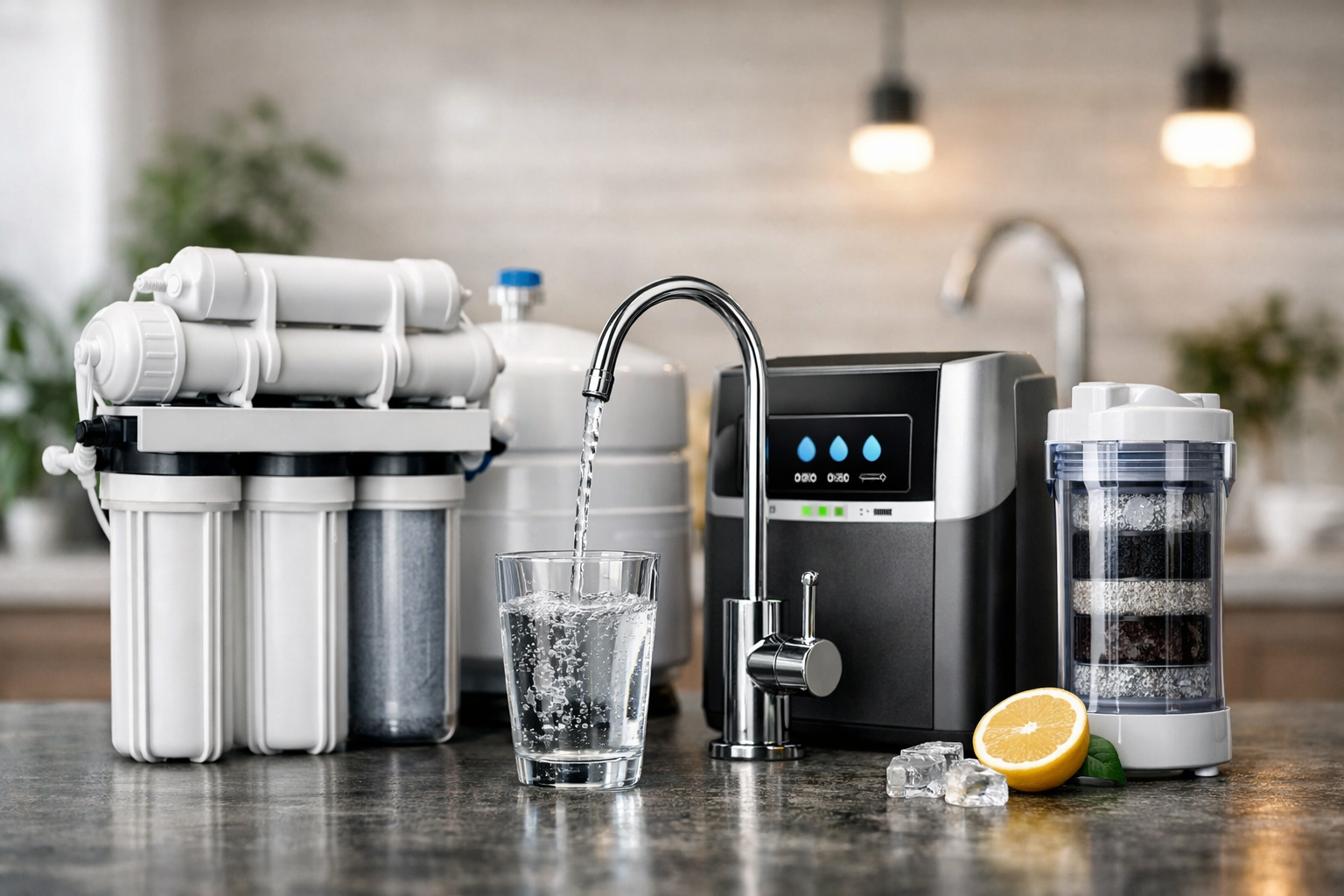
Before you click “buy,” ask yourself: Do I have a faucet that isn’t from 1985? Do you mind a small filter under the sink that looks like a robot colon? Is your water pressure above 40 psi? If your water pressure is lower than your enthusiasm for Mondays, you’ll need a booster pump. That’s a whole other rabbit hole, but trust me, it’s worth it to avoid waiting an hour for a glass of water.
 Best Reverse Osmosis Water Filter Systems Recommended by Experts in 2026
Also, remember that RO systems aren’t cheap long-term. You’ll need to swap filters every 6 to 12 months, which costs about $50 to $100 a year. That’s less than what you’d spend on bottled water in a month, but more than a bag of avocados. Priorities, people.
Final Sip of Wisdom
A Reverse Osmosis system is like a personal bouncer for your tap. It kicks out the riff-raff (lead, chlorine, microplastics) and lets the good stuff through (water, your dignity). The iSpring RCC7 is the safest, most user-friendly choice for most homes. The Waterdrop G3P600 is for tech nerds who want to geek out over TDS graphs. And the APEC Essence RO-90 is for the practical genius who just wants a crisp, clean drink without a second mortgage.
Go forth, hydrate, and remember: your tap water is now legally required to taste better than your ex’s excuses. Cheers.
