Best Type Of Water Softener

Let’s be real: hard water is the uninvited guest that never leaves. It leaves your hair feeling like straw, your dishes looking cloudy, and your shower fixtures crusty as a st...
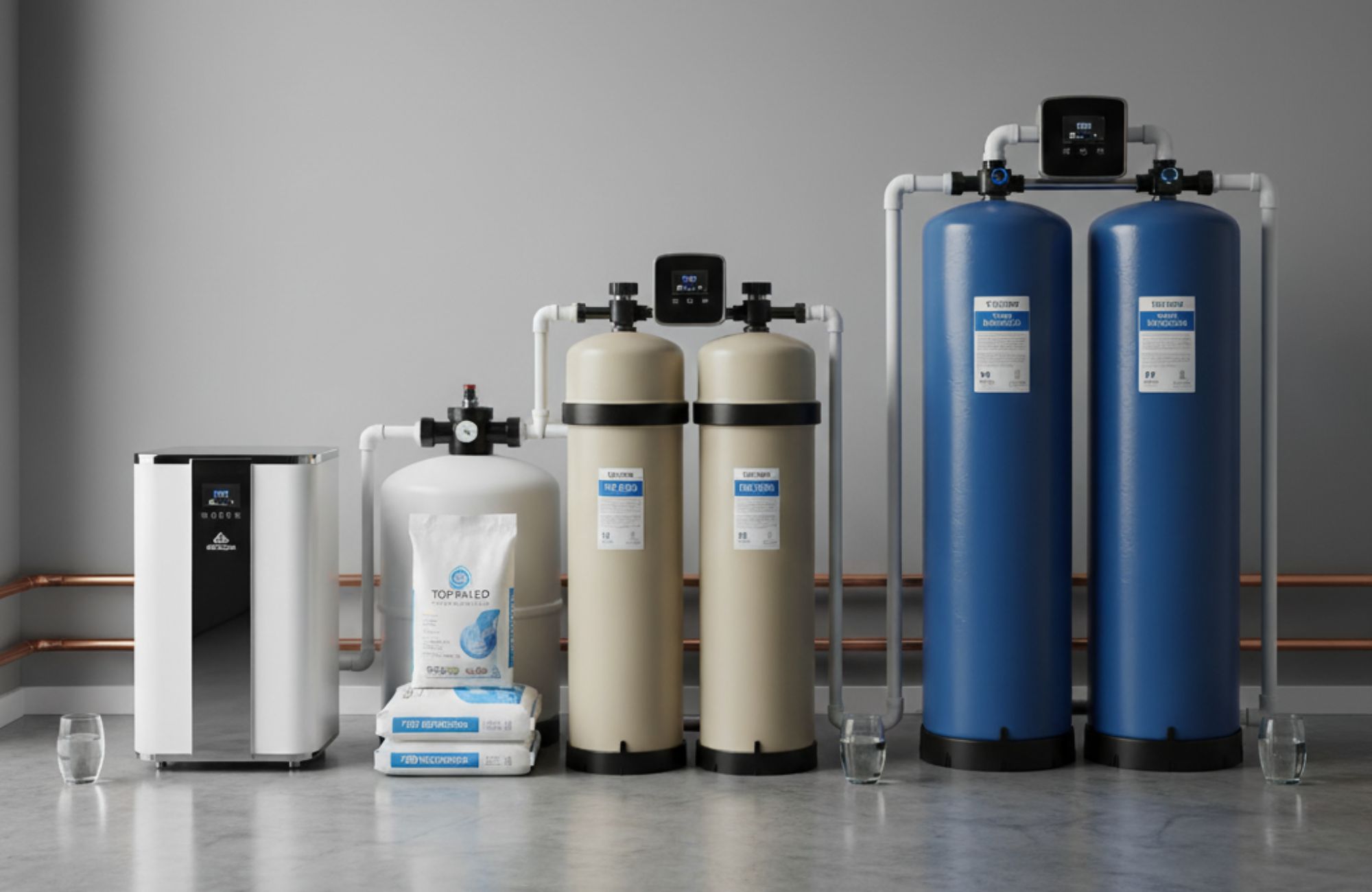
Let’s be real: hard water is the uninvited guest that never leaves. It leaves your hair feeling like straw, your dishes looking cloudy, and your shower fixtures crusty as a stale croissant. You’ve probably spent too many mornings wrestling with a calcified faucet or wondering why your laundry feels like sandpaper.
You deserve better. Finding the best type of water softener isn’t just about appliance shopping; it’s about reclaiming soft skin, shiny glasses, and a longer life for your pipes. Think of it as a spa day for your entire home’s plumbing system.
The Heavyweight Champion: Salt-Based Ion Exchange
If water softeners were a blockbuster movie, this would be the Marvel franchise. The salt-based ion exchange system is the industry gold standard for a reason. It uses resin beads to swap hard calcium and magnesium ions for soft sodium or potassium ions.
Must Read
This is the most effective method for eliminating scale buildup. It’s your go-to if you’ve got truly brutal water—think limestone levels that could build a small castle. The downside? You’ll need to lug bags of salt every month, and it does add a tiny trace of sodium to your drinking water.
Fun fact: Some high-end models now connect to your Wi-Fi, sending you a “time to buy salt” alert straight to your phone. Because even your water should be smart in 2024.
The Eco-Warrior: Salt-Free Water Conditioners
This isn’t technically a “softener” in the scientific sense—it’s a conditioner. Instead of removing minerals, it uses a process called Template-Assisted Crystallization (TAC) to crystallize the hardness minerals, preventing them from sticking to surfaces.
 The 10 Best Water Softeners Of 2023: Reviews & Guide
It’s the best option for the environmentally conscious or anyone who hates schlepping salt. You get the benefits—less scale, smoother skin—without any added sodium or wastewater. It’s the Prius of the water world.
Cultural reference: Think of it like that friend who meditates instead of fighting. It doesn’t confront the problem; it just makes peace with it so it can’t cause trouble.
The Tech-Savvy Contender: Dual-Tank Systems
For the true water connoisseurs, the dual-tank system is like having a personal butler for your H2O. While one tank is softening your water, the other is regenerating—so you never, ever run out of soft water.
This is the best type for large families, high-usage homes, or anyone who hosts epic bubble baths on the regular. They are pricey and take up more space, but they offer zero-compromise convenience. Picture the opening scene of The Great Gatsby—endless, luxurious flow.
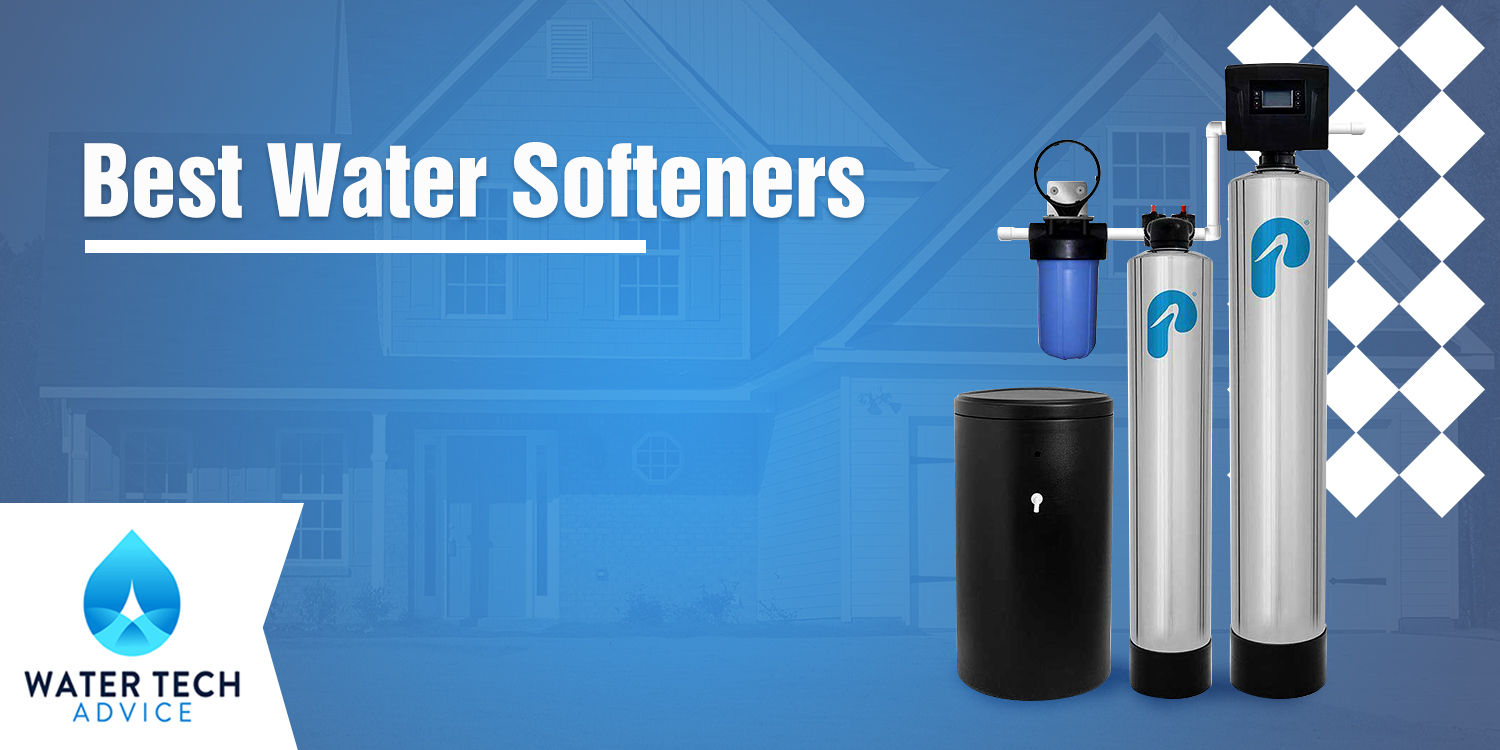 7 Types Of Water Softeners: Which One Is Best To Choose? – WEKYVM
Practical tip: If you have a jet tub or a rainwater shower system, this is your non-negotiable upgrade. Don’t let a regeneration cycle ruin your post-yoga soak.
The Shoestring Savior: Magnetic or Electronic Descalers
These are the minimalist’s dream—a device that wraps around your main water pipe and uses a magnetic field to alter the behavior of minerals. No plumbing changes, no salt, no tanks. Just clip it on and hope for the best.
Honestly? The science here is highly debated. Some people swear by them, while others say they’re about as effective as a chocolate teapot. They’re inexpensive and non-invasive, but don’t expect the same dramatic results as a salt system.
 7 Best Water Softeners In 2024: Explained, Reviewed – IDOCTJ
Practical tip: Use this as a temporary fix if you rent your home. It’s the water-softening equivalent of a chic rental rug covering ugly carpet.
How to Pick Your Perfect Match
First, test your water. You can buy a simple kit or check your municipal report. Anything over 7 grains per gallon of hardness deserves serious attention. Consider your household size, your budget, and your tolerance for maintenance.
If you’re a “set it and forget it” type, go salt-free or magnetic. If you want the deepest, most dramatic transformation—the kind that makes strangers ask about your hair routine—invest in a salt-based ion exchange system with a digital control head.
Fun fact: Thomas Crapper (yes, that was his real name) didn’t invent the toilet, but he did popularize the siphon flush system. Modern softeners are basically his spiritual descendants—making your daily rituals less gross.
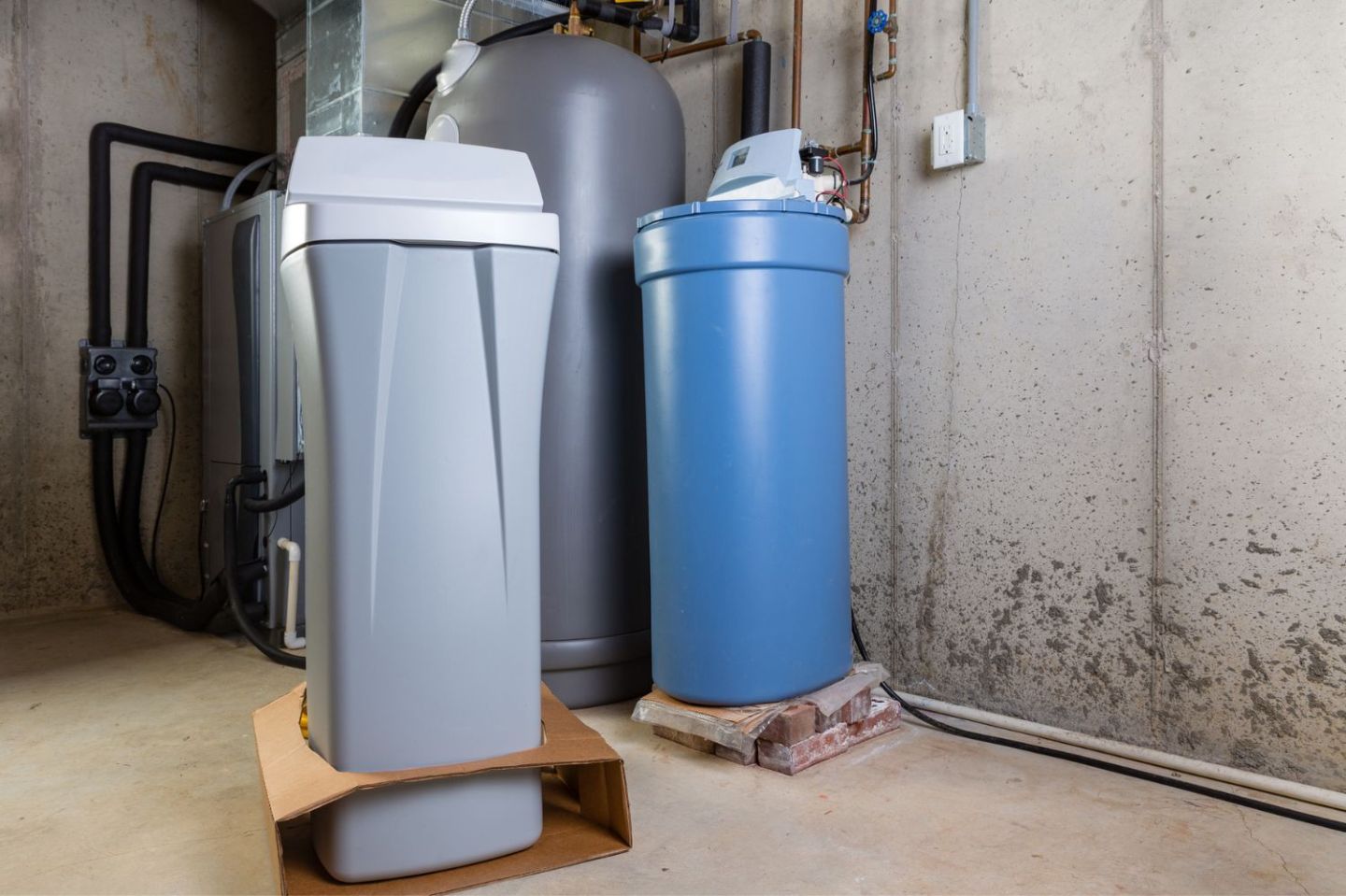 The Best Water Softeners of 2025
The Installation Reality Check
Unless you’re unusually handy with copper pipes, hire a professional. A poorly installed softener can waste water, leak, or malfunction. Budget around $150–$400 for installation on top of the unit cost.
Most modern systems come with bypass valves and easy-clean models, so maintenance just involves an annual resin check and a salt refill every few weeks. It’s like changing the oil in your car—easy to forget, but catastrophic if ignored.
So, what’s the best type of water softener? The one that matches your life, not your neighbor’s. If you love tech and hate waste, choose a salt-free conditioner. If you want the surefire, gold-standard solution, the salt-based ion exchanger is your ride-or-die. And if you’re just dipping your toes in, try a descaler first.
Here’s the reflection: Pouring a glass of water shouldn’t feel like a chemistry experiment. When you finally commit to the right softener, the small things change. Your morning coffee tastes cleaner. Your skin stops begging for lotion. The shower door stays clear like a clean slate. In a world that’s often hard, a little softness is exactly what you need—and your plumbing agrees.
