What Is The Best Salt To Use

So, you’re standing in the grocery aisle, staring at a wall of salt. There’s pink salt, black salt, flaky salt, and that sad, dusty box of table salt your grandma used. It’s o...

So, you’re standing in the grocery aisle, staring at a wall of salt. There’s pink salt, black salt, flaky salt, and that sad, dusty box of table salt your grandma used. It’s overwhelming, right? Let’s be real: salt is just sodium chloride, but somehow we’ve turned it into a personality contest. Don’t worry, I’ve got your back.
The Big Question: What’s the “Best”?
First, we need to define “best.” Are we talking about health? Flavor? Or making your Instagram dinner look like a Michelin-star masterpiece? Because the answer changes faster than my mood when I’m hangry. Let’s break it down, one grain at a time.
Spoiler alert: You probably already have the best salt in your kitchen. But where’s the fun in that? Let’s explore.
Must Read
The Usual Suspects: Table Salt vs. Kosher Salt
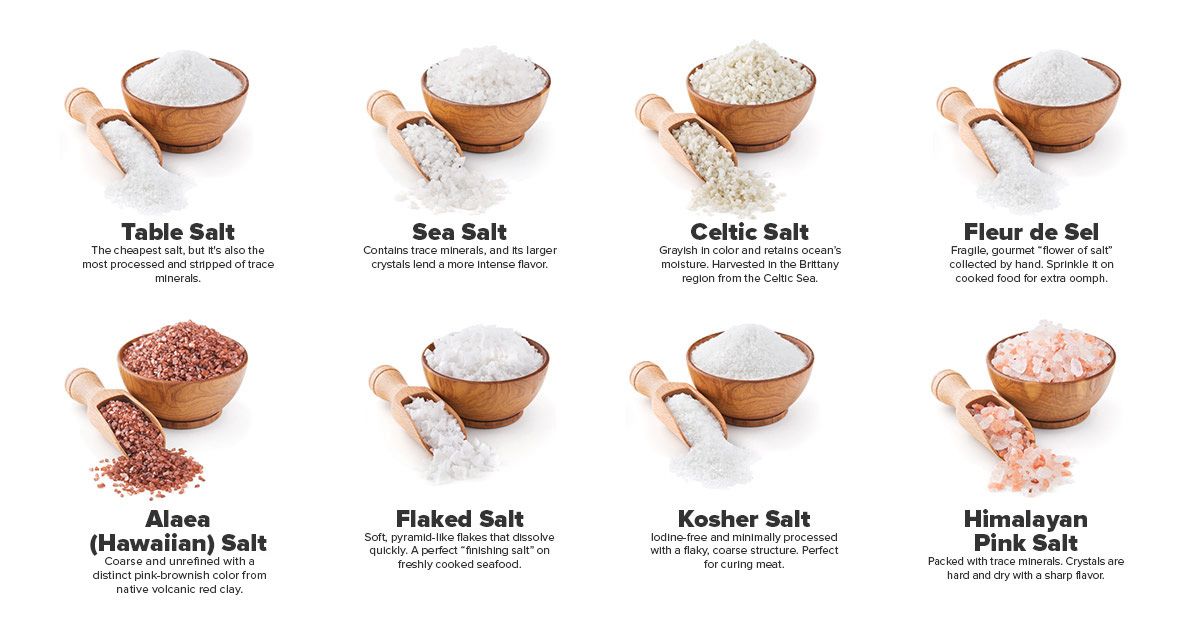
Table salt—the fine, iodized stuff—is the workhorse. It’s cheap, it dissolves instantly, and it’s been fortified with iodine to keep your thyroid happy. The downside? It can taste metallic and sharp if you use too much. Plus, those anti-caking agents? Not exactly gourmet.
Now, kosher salt is the rock star of everyday cooking. It has large, irregular flakes that grip your food. It’s forgiving (harder to over-salt) and pure. No additives, no weird aftertaste. If you cook a lot, this is your ride-or-die. But don’t confuse flaky kosher with Morton’s coarse—that’s a whole different vibe.
 The Easy Salt Guide
The Hype: Pink Himalayan Salt
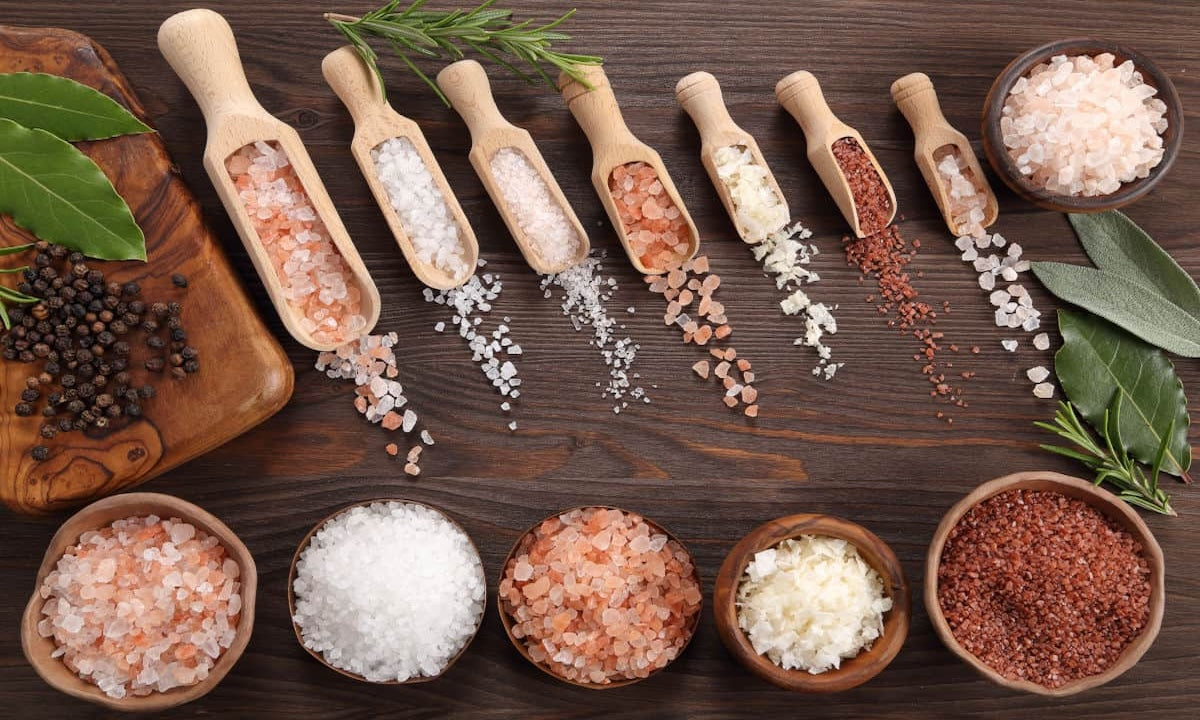
Ah, the influencer of salts. It’s pink, it’s from ancient seas, and it comes with a block for cooking. Is it actually healthier? Meh. It has trace minerals like magnesium and iron, but you’d need to eat a salt lick to notice. The real reason to use it? It looks fabulous on your salt grinder or as a finishing touch on a steak. Taste-wise? Almost identical to regular salt. Don’t fall for the “detox” claims—your kidneys do that for free.
Fun fact: That pretty pink color is from iron oxide. Yes, it’s basically rust. Delicious, Instagram-friendly rust.
Fancy Pants Options: Fleur de Sel & Sel Gris
Fleur de sel (“flower of salt”) is the crème de la crème. Harvested by hand from French salt marshes, it’s moist, delicate, and costs more than a bottle of wine. Use it as a finishing salt—sprinkle on caramel, tomatoes, or a chocolate chip cookie. It’s a texture thing, not a flavor thing.
 What's The Best Cooking Salt at Andrew Linares blog
Sel gris is the rougher, grayer cousin. It’s unrefined and packed with minerals, making it great for rubs or crusts. But don’t cook with it—the moisture ruins its magic. Treat it like a fancy friend: fun to have around, but high maintenance.
Black Salt (Kala Namak) & Smoked Salt
Black salt smells like eggs. Seriously. It’s a volcanic rock salt that’s roasted with herbs and charcoal. Vegans love it because it mimics the sulfur taste of eggs in tofu scrambles. Is it for everyday? Only if you want your kitchen to smell like a sulfur spring.
 Which Type of Salt Is Best for Cooking and Seasoning Food?
Smoked salt is exactly what it sounds like: salt smoked over wood. It adds bacon vibes to veggies or popcorn without the meat. Pro tip: Go easy. A little smoked salt tastes like heaven; a lot tastes like a campfire ate your mouth.
So, What’s the Verdict?
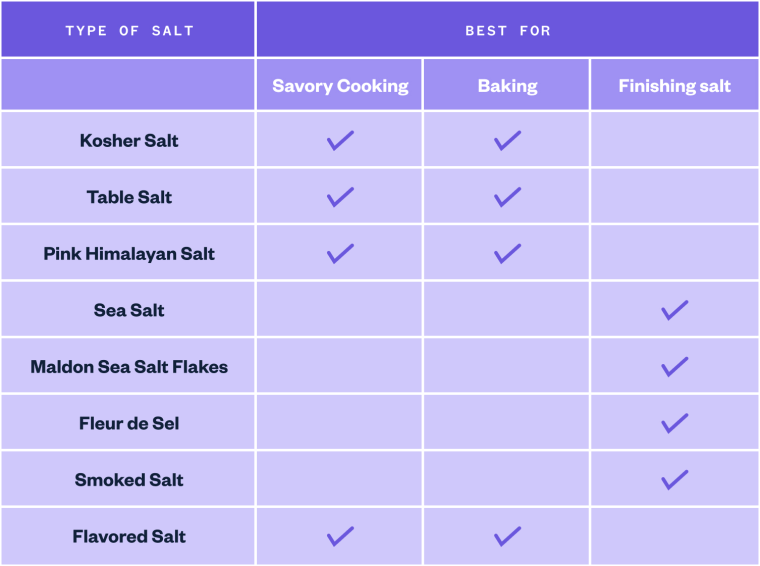
For everyday cooking? Get a box of Diamond Crystal Kosher Salt. It’s the Goldilocks of salts—not too strong, not too weak, and you can use it by the pinch. For finishing dishes? Splurge on fleur de sel or a flaky Maldon salt. That crunch will make you feel like a pro chef.
For health? Honestly, any salt is fine as long as you watch your sodium. Your body needs iodine, so if you’re not eating seaweed, stick with iodized table salt for that purpose. The “best” salt is the one you’ll actually use—not the one gathering dust in a fancy jar.
 Ultimate Guide to Selecting the Right Type of Salt for Different Dishes
One Last Grain of Wisdom
Here’s the secret: Salt is salt at its core. The minerals in fancy salts are so tiny they barely matter. What matters is how you use it. Season your pasta water generously (it should taste like the sea). Sprinkle finishing salt right before serving, so it stays crunchy. And never apologize for using cheap salt in a pinch—we’ve all been there.
So go ahead, buy that pink Himalayan salt lamp if it makes you happy. But when dinner’s on the line, reach for the kosher. Your taste buds (and your wallet) will thank you.
A Little Smile to Go
Remember: The best salt in the world is the one you share with people you love. Whether it’s a $2 box or a $20 bottle, every grain carries a bit of joy—and a whole lot of flavor. Now go make something delicious. You’ve got this. And hey, if you over-salt the soup? Just call it “artisan broth” and nobody will ask questions.
