How Do You Get Lead Poisoning From Water

So, my friend Sarah calls me up the other day, totally freaked out. She’d just gotten her water tested because her toddler started acting a little sluggish. Boom—lead levels i...
So, my friend Sarah calls me up the other day, totally freaked out. She’d just gotten her water tested because her toddler started acting a little sluggish. Boom—lead levels in her tap water were triple the safety limit. She thought she was doing everything right, using a filter pitcher and everything. Turns out, that filter was the wrong kind. Oops.
That moment of panic? It’s way more common than you think. You’re probably sipping water right now, assuming it’s totally safe. But lead poisoning from water is a sneaky, silent problem that doesn’t announce itself with a weird smell or a funky taste. Let’s unpack exactly how this nasty metal gets from the pipes into your glass, shall we?
The Obvious Suspect: Your Pipes
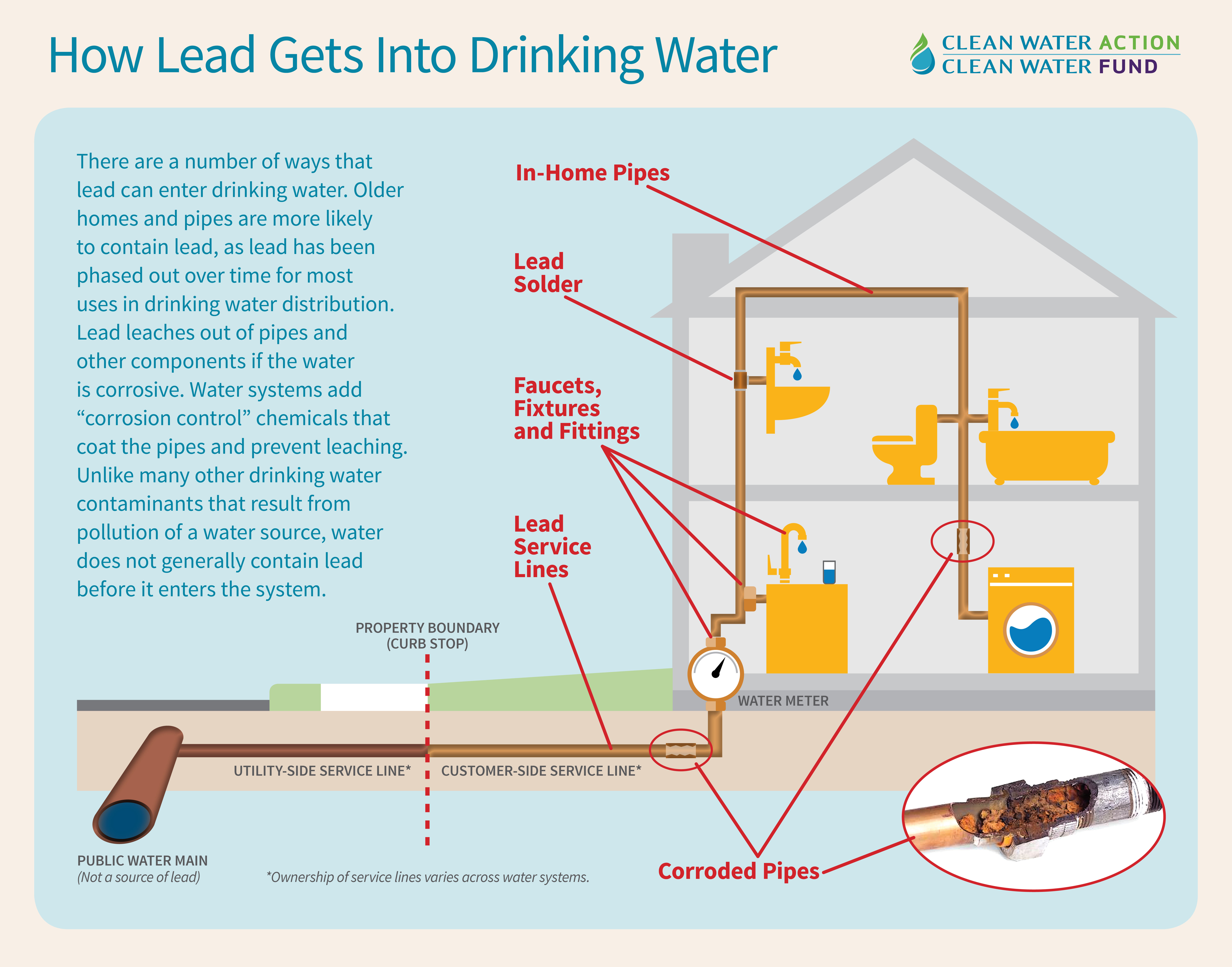
Here’s the deal: you don’t usually get lead poisoning from the water source itself—like the river or reservoir. The trouble starts after the water leaves the treatment plant, on its journey to your faucet. If your home was built before 1986, there’s a solid chance you have lead pipes or lead solder connecting your copper pipes. That’s the biggest bad guy in this story.
Must Read
Think of it like this: the water is a mild acid, slowly nibbling at the metal. When water sits in those old pipes for hours—like when you’re at work or asleep—it has time to leach lead particles right into your drink. It’s not gushing out; it’s a chemical handshake that goes terribly wrong.
Even fancy brass fixtures or “lead-free” faucets from the 90s can still contain up to 8% lead, by the way. So, yes, that shiny new kitchen faucet might be part of the problem too. Annoying, right?
It’s Not Just the Pipes—It’s the Chemistry
Okay, here’s where it gets a little technical, but stay with me. Water utilities sometimes add chemicals to control corrosion, which helps seal the pipes with a mineral coating. This coating acts like a protective shield, stopping lead from leaching. But if that chemical balance is off—say, the water’s too acidic or has low mineral content—the shield crumbles.
Now, picture this: your water supplier changes its source or treatment routine. Suddenly, that old protective coating dissolves, and poof, lead that was trapped for years starts flowing again. That’s exactly what happened in Flint, Michigan. It’s a perfect storm of old infrastructure and chemical miscalculation. Yikes.
Even your neighborhood’s plumbing can matter. If your house is at the end of an old main line, water might stagnate longer. Longer contact time = more lead pickup. Location, location, location—who knew it applied to poisoning, too?
The Hidden Culprits Inside Your Home
You might think, “My house is modern, so I’m fine.” Not so fast. That stylish brass bathroom faucet? It contains lead. Those chrome-plated connectors under your sink? Often brass inside. Every time hot water flows through them—hot water, by the way, leaches lead way faster than cold water—you’re running the risk.
Oh, and let’s not forget about lead service lines. That’s the pipe connecting your home to the city main under the street. Even if your house is brand new, if the street line is old lead, you’re at risk. You own that pipe from the property line into your home, so it’s your problem to fix. Great, right?
So, yes, the water coming into your house might be nearly perfect, but the moment it enters your plumbing, it becomes a potential pickpocket stealing bits of lead. It’s like ordering a clean espresso, but the cup is made of dirt. Not ideal.
Does Boiling Help? Nope. Let’s Bust That Myth.
Here’s a common question: “Can I just boil the water to kill the lead?” No. Boiling actually concentrates the lead because some water evaporates, leaving the metal behind. You’re not making it safer; you’re making a lead reduction tea. Don’t do it.
 Chelsea: Protect your family from lead | Clean Water Action
What about those Brita-style filters? Standard carbon filters do not remove lead. You specifically need a filter certified for lead removal—usually ones with ion exchange media or reverse osmosis. Check the label before you trust it with your toddler’s sippy cup.
The best short-term fix is to flush your pipes every morning. Run the cold water for at least one minute before you drink, cook, or brush your teeth. It pushes out the water that’s been sitting in the pipes overnight. That’s your free hack, by the way—you’re welcome.
Who’s Most at Risk? (Spoiler: Kids and Pregnant Women)
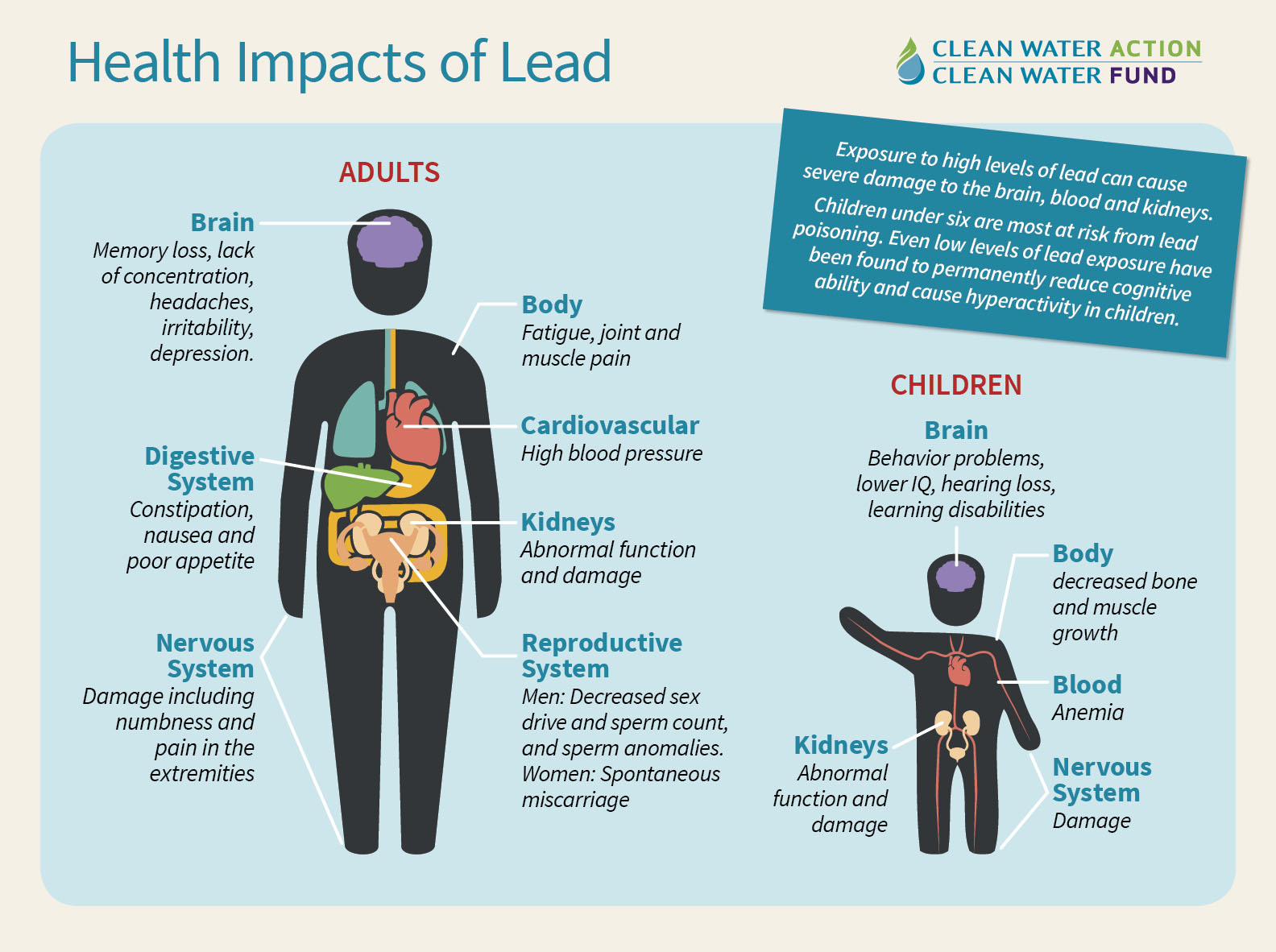
Lead poisoning hits children under six the hardest because their little bodies absorb lead more easily, and their brains are still developing. Even tiny amounts can mess with IQ, behavior, and growth. For pregnant women, lead can cross the placenta and affect the fetus. Scary stuff.
Adults can get symptoms too—high blood pressure, joint pain, fatigue—but we’re less sensitive. Still, no one wants to feel like a zombie because of a leaky pipe. It’s a silent thief; you won’t notice until damage is done.
Ready for the irony? You literally cannot see, taste, or smell lead in water. You need a certified lab test to know. That glass of water that looks crystal clear? It could be a slow poison. Makes you think twice, doesn’t it?
So, What Now? Don’t Panic, Take Action
First, find out if your home was built before 1986. If yes, get your water tested for lead—it’s cheap and easy. Your local health department often does it for free or can recommend a lab. Knowledge is power, and also peace of mind.
Second, always use cold water for drinking and cooking. Hot water dissolves way more lead from pipes and fixtures. If you need hot water, boil cold water first. And that “flush the pipes” trick? Do it every morning and after any long pause in use. It’s literally free insurance.
Finally, consider a water filter certified for lead removal, or replace any old brass fixtures with ones labeled NSF/ANSI 61 compliant. If you can, invest in replacing old lead service lines—it’s pricy but it’s a one-and-done solution. Your future self will thank you.
Sarah ended up getting a proper lead-removing filter, and her kid’s energy bounced back after a few weeks. The point is, lead poisoning from water is 100% preventable. It’s a plumbing problem, not a fate you have to accept. So go flush that tap, check your pipes, and drink up—safely.
