Is The Chlorine In Tap Water Bad For You

Let’s be honest: tap water has a PR problem. We’ve all stood at the kitchen sink, eyeing that glass with suspicion, wondering if the faint scent of a swimming pool is worth th...
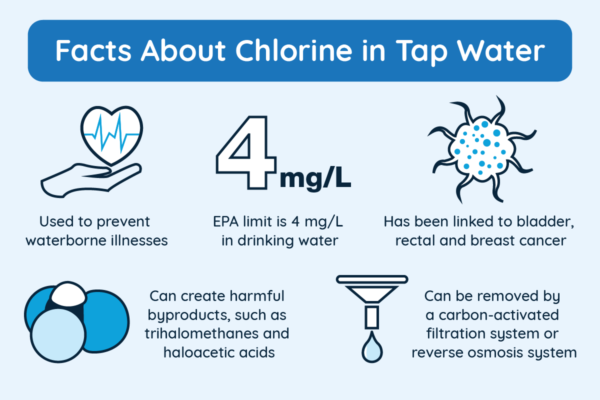
Let’s be honest: tap water has a PR problem. We’ve all stood at the kitchen sink, eyeing that glass with suspicion, wondering if the faint scent of a swimming pool is worth the hydration. The question of whether chlorine in tap water is bad for you feels like a modern-day riddle, somewhere between a wellness blog and a chemistry exam.
But here’s the good news for your inner hypochondriac: the chlorine in your tap water is generally safe at the levels used by municipal systems. It’s the unsung hero of public health, the reason we don’t think twice about drinking from a fountain. Before chlorine became standard in the early 1900s, waterborne diseases like cholera and typhoid were the norm, not the exception. That faint chemical tang is basically the taste of civilization winning against bacteria.
The Science of the Scent
When you smell chlorine, what you’re actually detecting is chloramines, a byproduct formed when chlorine reacts with organic matter like leaves or microorganisms. Think of it as the water’s immune system at work. The Environmental Protection Agency (EPA) strictly limits chlorine in drinking water to a maximum of 4 parts per million, a level far below what would cause harm. For context, a typical swimming pool hovers around 1 to 3 ppm, so your tap water is often milder than your weekend lap session.
Must Read
Still, your body isn’t a fan of the taste, and neither is your microbiome. Some studies suggest that long-term exposure to high levels of disinfection byproducts (DBPs, the chemical cousins of chlorine) might slightly increase certain health risks. But we’re talking about scenarios involving decades of consumption or compromised immune systems, not your Tuesday night pasta water. The risk is so small that the CDC and World Health Organization still call chlorinated tap water one of the greatest public health achievements of the 20th century.
Practical Tips for the Paranoid—or the Prudent
If you’re still not convinced, you don’t have to move to a remote mountain spring. Small, easy changes can cut your exposure without ditching the tap. First, let your water breathe. Fill a pitcher and leave it in the fridge for an hour; chlorine and chloramines naturally evaporate or dissipate. It’s like decanting a table wine, but for hydration. Second, a simple activated carbon filter (think Brita or a countertop pitcher) removes most chlorine and improves taste dramatically for under thirty dollars.
Hot water is a different story. Chlorine escapes faster when heated, so showering or boiling water for tea reduces its presence. If you’re a bath enthusiast, that steamy soak actually releases chlorine into the air, which is more a concern for vapor inhalation than skin contact. A quick tip: open a window while showering to let the steam—and any free chlorine—vent out. It’s a tiny habit that makes a big difference for your respiratory comfort.
Want a cultural fun fact? In Paris, many residents still prefer bottled water because of the city’s historic eau de Javel (bleach) reputation, yet Parisian tap water actually tests cleaner than most bottled brands. Meanwhile, in Japan, you’ll see signs reading “This water is safe for drinking” at public fountains, a leftover from post-war infrastructure. The irony is that fear of chlorine is often more about psychology than chemistry.
 Chlorine in Tap Water: Is It Dangerous?
The Bigger Picture
Let’s talk about what’s actually worth worrying about. While chlorine is a minor concern, microplastics and lead pipes in older homes are far more pressing issues. A basic water test kit can reveal if your pipes are leaching metals, which is a real health risk. The chlorine debate is like arguing about the seasoning when the main dish might be spoiled. Focus on the big hazards: test your water, replace old infrastructure, and don’t let a fad filter rob you of the simple joy of tap water.
Also, consider this: bottled water is often just treated tap water with a higher price tag and a plastic toll on the planet. A study by the Environmental Working Group found that nearly 25% of bottled water is actually municipal tap water, sometimes with less regulation than what comes out of your sink. By drinking from the tap, you’re skipping the waste and the markup. Your wallet and the ocean will thank you.
A Little Chlorine, A Lot of Perspective
Your body processes trace chlorine the same way it handles a swim in a clean pool: effectively and without drama. The kidneys and liver are excellent chemists. Unless you are specifically sensitive to chlorine or have a rare condition like glucose-6-phosphate dehydrogenase deficiency, a glass of tap water is not a villain. It’s a convenience that previous generations could only dream of, delivered to your home without a second thought.
So take a sip. The faint taste isn’t a warning sign—it’s a whisper of modern life, a tiny reminder that pure, safe water is never truly natural. It’s engineered, managed, and monitored by people you’ll never meet. And that’s a beautiful thing. Next time you fill your glass, maybe hold it up to the light, sniff it once, and smile. Then drink. The chlorine is just the price of entry for a world without cholera, and that’s a deal worth making every single day.
