What Water Should I Use For My Fish Tank

So, you’ve got a shiny new fish tank. Or maybe you’re staring at a cloudy one, wondering what went wrong. Either way, you’re asking the million-dollar question: What water sho...
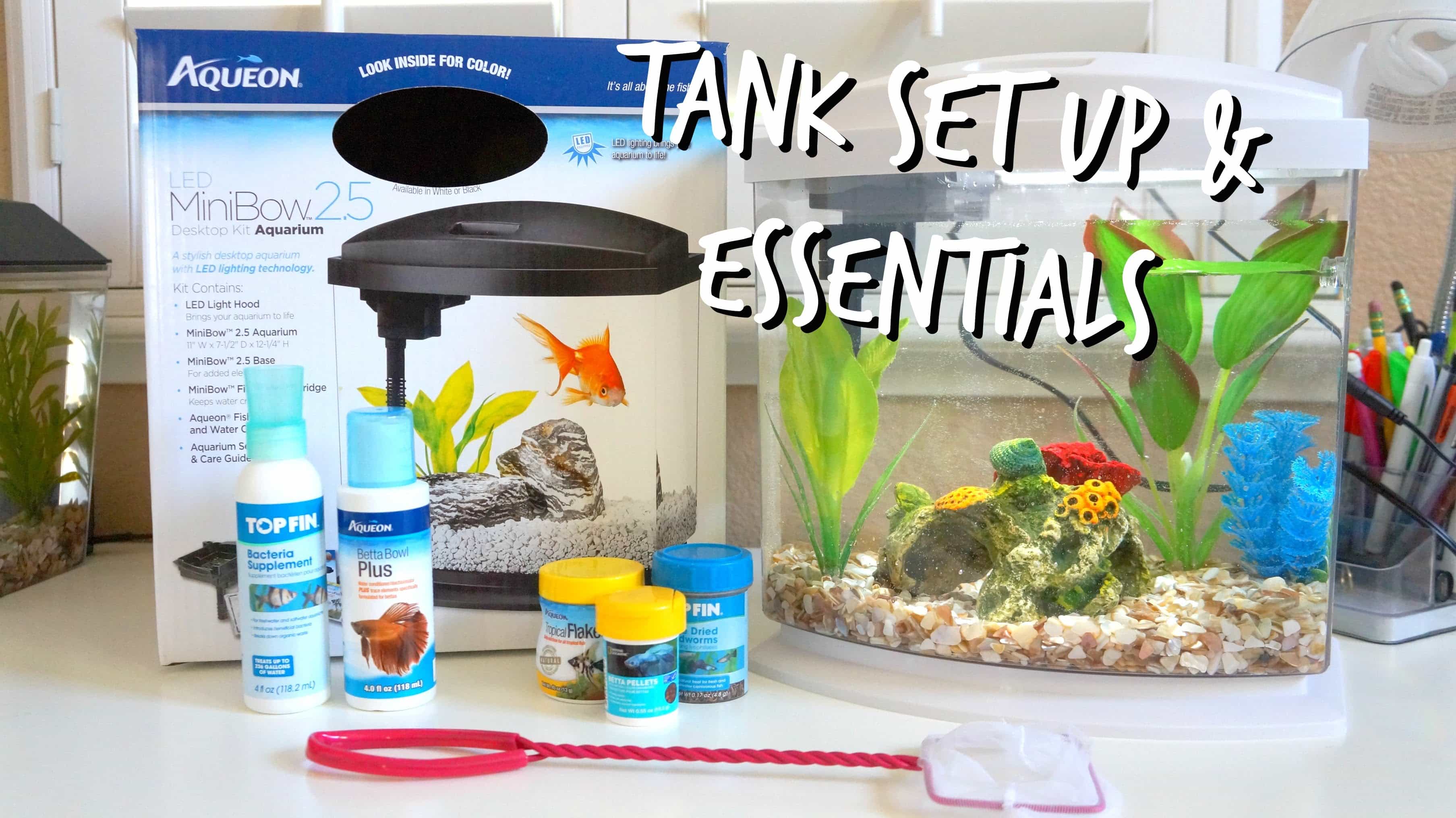
So, you’ve got a shiny new fish tank. Or maybe you’re staring at a cloudy one, wondering what went wrong. Either way, you’re asking the million-dollar question: What water should I use?
Let’s be real—tap water is the default. It’s free, it’s right there, and your fish aren’t paying rent anyway. But is it safe? Well, that depends on where you live and what you’re keeping.
Tap water often has chlorine and chloramine added to kill bacteria. Great for us, terrible for fish gills. You can’t just fill a bucket and dump it in—that’s a recipe for fish soup, and not the tasty kind.
Must Read
The Tap Water Trap
Your kitchen faucet is a gamble. Some cities have soft water, some have hard water. Some have copper pipes from the 1950s—yikes.
If you use tap water, you must use a dechlorinator. Seriously, don’t skip this step. It’s a few drops that neutralize the bad stuff, and your fish will thank you by not floating belly-up.
But even then, tap water has minerals that change pH. Some fish love that (hard water for livebearers), while others freak out (soft water for discus). Know your fish, or your fish will have opinions you can’t ignore.
Bottled Water: Fancy or Foolish?
Ever grabbed a bottle of “spring water” at the store for your tank? It feels noble, right? But read the label—most bottled water is just tap water with a fancy sticker.
Plus, it’s expensive. Your fish won’t appreciate the markup; they just want to swim. And some bottled water has added minerals that can spike your tank’s chemistry faster than a sugar rush.
Distilled or purified water? That’s a different beast. It’s too pure—literally no minerals at all. Fish need those minerals to regulate their bodies. Dumping straight distilled water is like feeding your pet a vitamin-free diet. It ends badly.
The RO/DI Revolution
Here’s where the nerds hang out. Reverse osmosis (RO) and deionized (DI) water is the holy grail for serious fish keepers. It strips out everything—chlorine, heavy metals, even unicorn tears.
But you need a special filter unit, and they’re pricey. You also have to remineralize the water afterward. Yeah, it’s a whole extra step. Worth it for a $200 saltwater setup? Absolutely. For your goldfish? Probably overkill.
Unless you’re breeding something super fussy, like crystal shrimp or Amazonian tetras, skip RO/DI for now. You’ve got a life, right?
Rainwater: Free, but Risky
“Hey, why not collect rainwater like our ancestors?” Because your roof is covered in bird poop and asphalt particles, that’s why. Rain is acidic and full of airborne pollutants like car exhaust and factory smoke.
 What Water Is Used For Fish Tank at Ryan Moorman blog
Unless you live on a pristine mountaintop, don’t do it. Seriously, your fish did not sign up for a chemistry experiment involving acid rain. They want stability, not adventure.
The Easiest Middle Path
Here’s the truth: for 90% of beginner tanks, tap water + dechlorinator + a good test kit is your best friend. Fill a bucket, add the drops, wait five minutes, and pour it in.
But test your water first! Get a liquid test kit (not the dip stick kind—those are useless). Check pH, ammonia, nitrites, and nitrates. If your tap water is wonky, you can adjust it with stuff like peat moss or crushed coral.
Remember: fish don’t care about brand names. They care about stable, clean, and stress-free water. Juggling multiple water types will just give you a headache—and likely, dead fish.
What About Saltwater?
Oh, you’re going there? Fine. Saltwater tanks need RO/DI water mixed with synthetic sea salt. Never tap water for corals—the metals will nuke your reef. Yes, it’s a pain. Yes, it’s gorgeous.
For saltwater, buy your water from a local fish store if you don’t have a unit yet. It’s cheap, and they’ve already done the work. You’re welcome.
The Big Takeaway
You don’t need to overthink this. Start with tap water and a good dechlorinator. Test it. If it works, great. If not, consider a simple carbon filter on your faucet—it’ll catch chlorine and some heavy metals.
And for crying out loud, never use hot tap water for water changes. Hot water dissolves more lead from pipes. Cold water only, then heat it in the tank. Your fish aren’t making tea.
So go ahead, fill that bucket. Add the drops. Watch your fish swim happily. You’ve got this—and if you mess up? Just do a water change. We’ve all been there, coffee in hand, shouting “WHY ARE YOU SO GREEN?!”
Now go make your fish friends proud. They’re counting on you—and secretly judging your choice of water. But that’s okay. They’re fish. They forget things in three seconds.
