Is It Ok To Use Tap Water For Humidifier

Let’s be honest: the first time you pour tap water into your humidifier, you feel a little rebellious. It’s right there, it’s free, and it’s water—what’s the worst that could...
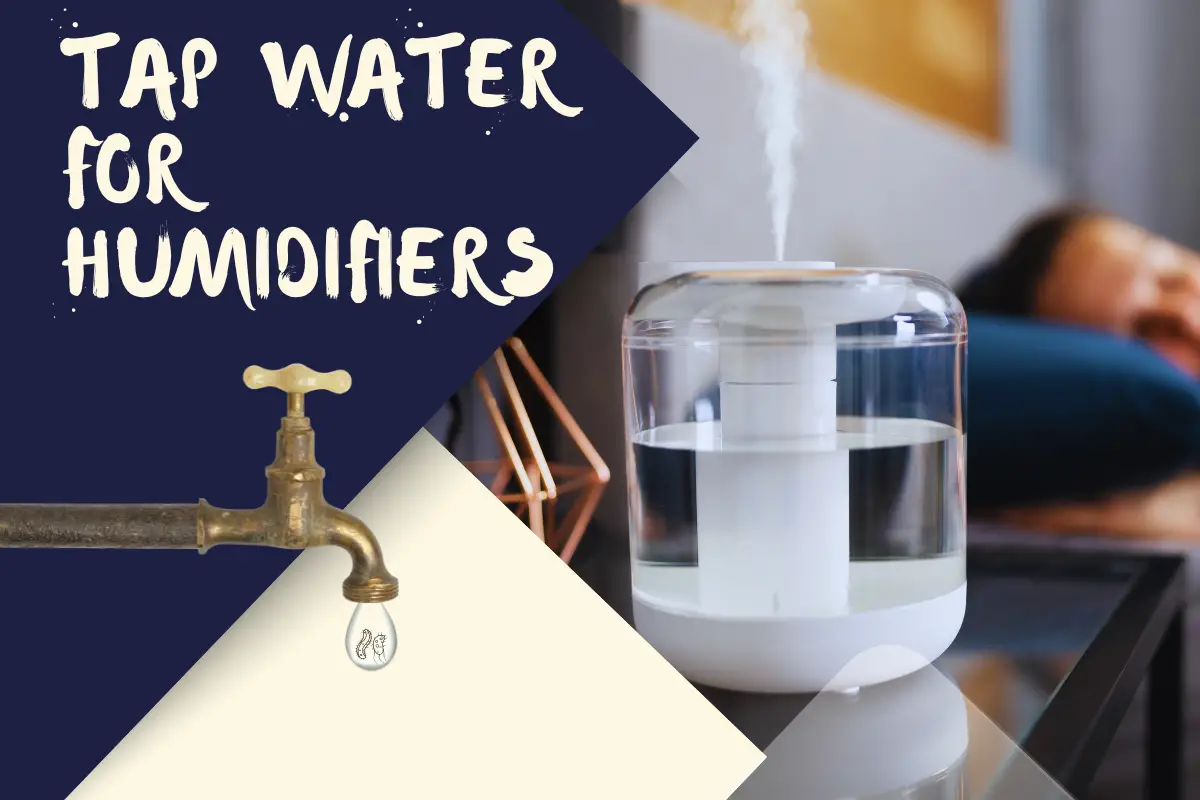
Let’s be honest: the first time you pour tap water into your humidifier, you feel a little rebellious. It’s right there, it’s free, and it’s water—what’s the worst that could happen? Quite a lot, actually, but also maybe nothing at all. The answer, like a good skincare routine, depends entirely on your local water chemistry.
The Hard Truth About Hard Water
That crisp tap water is a cocktail of minerals—calcium, magnesium, and sometimes iron. These minerals are the culprits behind the notorious white dust that settles on your nightstand like a sad, powdery snow. When a humidifier vaporizes water, it leaves these solids behind, and you end up breathing a fine mineral mist.
For most people, inhaling a little calcium isn't a health crisis. But for those with asthma, allergies, or respiratory sensitivities, that dust can be a real irritant. It’s like adding a sneaky garnish to your air that nobody ordered.
Must Read
Beyond your lungs, tap water wages war on your machine. The scale buildup acts like arterial plaque for your humidifier, clogging wicks and encrusting heating elements. A $30 humidifier can die a slow death in just a few months if you feed it nothing but hard tap water.
The Cool Mist vs. Warm Mist Showdown
Your humidifier type dramatically changes the tap water equation. Ultrasonic cool-mist models are the biggest offenders; they break water into tiny droplets, sending every single mineral particle airborne. That white dust you see? That’s your sink’s mineral content, now redecorating your living room.
Warm mist or steam vaporizers actually boil the water, which is better at trapping some minerals inside the machine. However, boiling hard water creates limescale that looks like a miniature stalactite farm, and it’s a nightmare to clean. Evaporative humidifiers (the ones with a wick and a fan) are the tap water champions, as the minerals get trapped in the filter, but you still replace that wick more often.
A fun little fact: soft water is actually worse for your humidifier than hard water in some ways. Soft water’s higher sodium content can be corrosive to internal metal parts over time, so don’t think “soft” means “safe.”
The Microbe Factor (Yes, That’s a Thing)
Tap water in most developed countries contains trace levels of chlorine and is safe to drink. But standing room-temperature water for days is a microbial party invitation. Bacteria and mold love a dark, wet tank, and tap water introduces a few gatecrashers that distilled water wouldn’t.
The Environmental Protection Agency (EPA) has actually stated that tap water is not recommended for use in humidifiers, specifically citing the risk of dispersing microorganisms. This is less about the water source itself and more about the breeding ground you create. Daily cleaning becomes non-negotiable if you’re using tap, unless you want to turn your bedroom into a petri dish.
Culture-wise, consider Japan’s obsession with humidity solutions. Many Japanese homes use advanced humidifiers with silver-ion cartridges specifically to combat tap water issues. It’s a reminder that sometimes the best tech is designed around your water’s personality.
 Tap Water in Humidifiers: Is It Safe? What You MUST Know Now
Practical Tips for the Tap Water Gambler
If you’re going to use tap water anyway—and let’s face it, buying gallons of distilled water is a pain—at least be smart about it. Use a demineralization cartridge or a “PUR” filter on your tap. These aren’t perfect, but they cut the white dust by about 80%, which is enough to keep your furniture happy.
Clean your humidifier every three days with a vinegar soak (one part white vinegar to three parts water). That funky smell you start to notice? That’s biofilm. It’s not your imagination, and it’s not good for you. A weekly scrub with a bottle brush keeps you from breathing microscopic gunk.
Here’s a pro tip: if you boil a kettle of water and let it cool, that’s essentially “distilled” water for free. It’s a great hack for a quick top-off when you don’t want to run to the store. Or, collect the water from your dehumidifier—it’s already stripped of minerals (just don’t tell your guests).
The Celebrity Endorsement You Didn’t Ask For
Famous wellness influencer types often preach the gospel of distilled water for humidifiers, but they also sell $40 “alkaline” water filters. Take it with a grain of Himalayan salt. The reality is that tap water is fine for short-term or occasional use. It’s the long-term, daily habit of using hard tap water that turns your machine into a mineral-dust cannon.
Remember: your home’s water comes from a river, a lake, or an aquifer. Each source has a unique mineral signature. Living in a soft-water region like the Pacific Northwest? You’ll have way less dust. In the mineral-rich Midwest? You’ll be scrubbing lime-scale off your nightstand every week.
A quick cultural reference: in many European countries, people use tap water in humidifiers without a second thought, because their water is often softer and treated differently. It’s a reminder that “okay” is a highly local idea.
A Short Reflection on the Air We Share
There’s something meditative about filling a humidifier—it’s a tiny act of care for your own microclimate. The tap water debate is really about how much maintenance you want in your life. Using distilled water is like hiring a personal assistant for your machine; using tap is like DIY everything, with all the charm and the mess.
Ultimately, your humidifier isn’t judging you. It’s a silent workhorse that just wants a little kindness. If you’re happy with the white dust and the occasional cleaning cycle, pour that tap water with confidence. But if you want a whisper-quiet, low-maintenance companion in your bedroom, spring for the distilled. Because sometimes, the best self-care is the kind you don’t have to think about twice.
