Reverse Osmosis In Waste Water Treatment

So, you’ve probably heard of reverse osmosis, right? It sounds like a fancy science term, but I promise it’s not as scary as it seems. Imagine a super-fancy strainer that push...
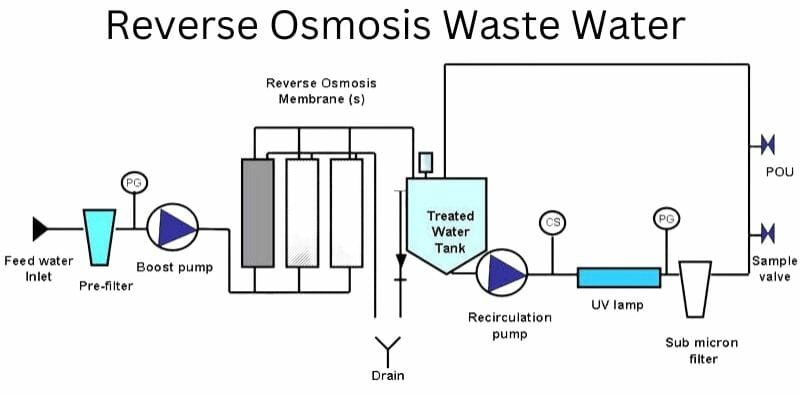
So, you’ve probably heard of reverse osmosis, right? It sounds like a fancy science term, but I promise it’s not as scary as it seems. Imagine a super-fancy strainer that pushes water through a microscopic mesh to leave all the yucky stuff behind. That’s pretty much the gist of it!
Wastewater is basically the worst smoothie ever—full of soap, dirt, chemicals, and other ickiness. Before we dump it back into rivers or the ocean, we need to clean it up. Enter reverse osmosis (RO), the bouncer at the nightclub of water treatment. It says, “Sorry, chlorine and lead, you’re not on the list tonight!”
How Does This Magic Happen?
Forget your gym water bottle; RO uses high pressure, like a water-jet cutter. It forces dirty water against a special membrane that’s super picky about what gets through. Only tiny water molecules (and a few friendly minerals) can pass—everything else gets stuck. It’s like trying to shove a bowling ball through a keyhole. (Spoiler: it doesn’t work.)
Must Read
You might wonder, “Why not just use a basic filter?” Well, a coffee filter stops grounds, but RO stops dissolved salts, bacteria, and even viruses. It’s the nuclear option for water purification. Yes, it’s that good.
The Gross Stuff It Removes
Let’s talk about what gets kicked out of the water party. We’re talking arsenic, fluoride, nitrate, and even microplastics. That weird smell from the sink? Gone. That funny taste? Poof. It’s like giving water a complete personality makeover.
Fun fact: RO is so thorough it can even desalinate seawater. That means turning ocean water into drinking water. If that’s not magic, I don’t know what is. (Though I wouldn’t use it to make your morning tea—that’s where it gets a little over-eager.)
But Wait, There’s a Downside…
Nothing in life is perfect, and RO is no exception. The process uses a lot of energy (that pressure thing, remember?), and it also produces “reject” water—a super-concentrated brine. It’s basically the wastewater of the wastewater treatment. Kind of ironic, right?
Also, because RO strips almost everything out, the water can taste flat. Your tongue is used to minerals like calcium and magnesium, which give water that “zing.” That’s why many RO systems add a little mineral filter back in at the end. It’s like adding salt to your french fries after cooking them—pure genius.
The Real-World Superpower
Where does this really shine? Think about places like California or Singapore, where water is scarcer than a quiet day on Twitter. RO systems help recycle wastewater into something so clean you could drink it (and people do!). It’s a superhero cape for drought-stricken communities.
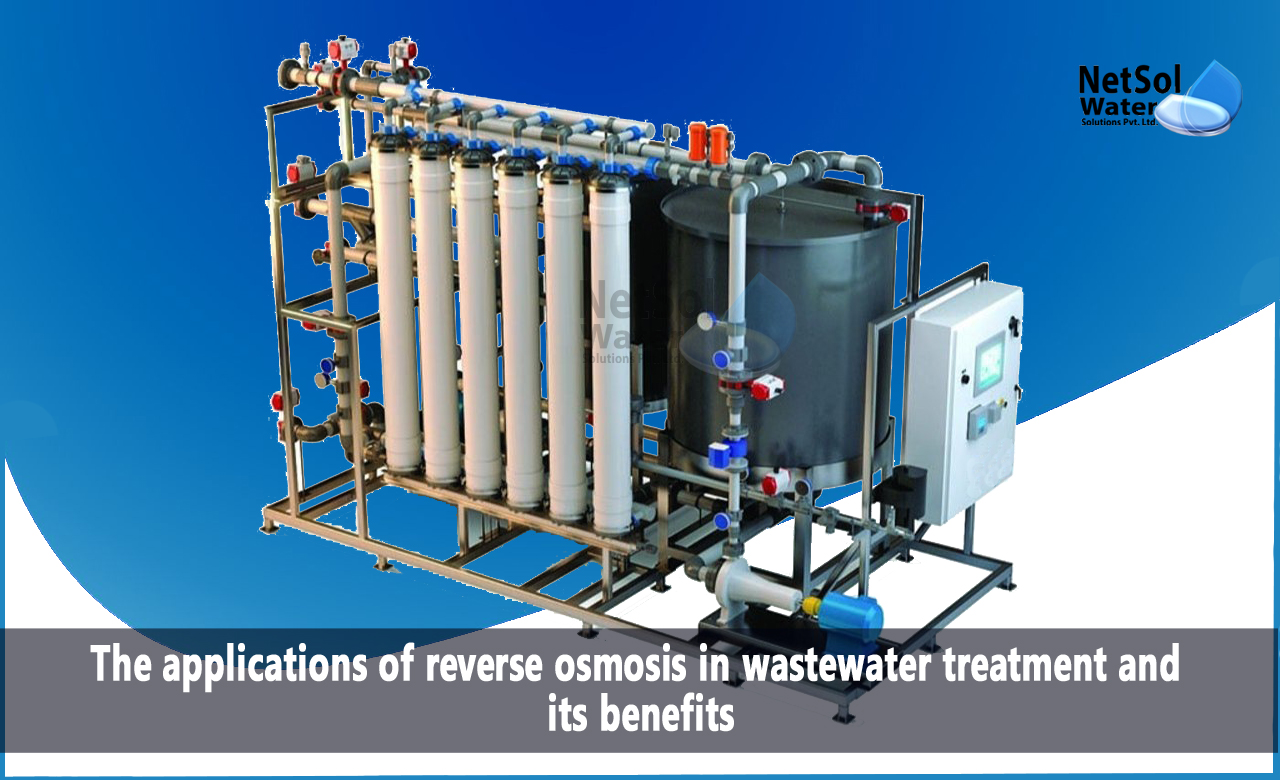 What are the applications of reverse osmosis in wastewater treatment
And on a smaller scale, your local car wash or manufacturing plant uses RO to save money and the planet. They reuse their water over and over, which is way better than just dumping it down the drain. Cue the applause.
A Little Humor for the Pipeline
Imagine a tiny bouncer at the molecular level: “Sorry, E. coli, you’re not cool enough for this club.” That’s basically what a reverse osmosis membrane does all day. It’s the most judgmental filter you’ll ever meet—and we love it for that.
Sometimes I picture the water molecules high-fiving each other as they slip through the membrane, while the grumpy pollutants cry on the outside. “But I wanna be clean, too!” Too bad, carbon molecules. You didn’t get the VIP pass.
The Future of Clean Water
Researchers are working on making RO membranes thinner, cheaper, and less energy-hungry. Imagine a filter that works like a sponge, but way smarter. Some are even testing membranes made from graphene—a material so thin it’s basically a ghost. Ghosts that catch bacteria—how cool is that?
We’re also getting better at dealing with that salty brine reject. Some plants now use it to make salt for roads or even to grow algae (which becomes biofuel). Waste not, want not, right?
The Uplifting Ending You Deserve
So the next time you take a sip of water, remember: it might have been through a reverse osmosis time machine that cleaned it 1,000 times over. Wastewater isn’t waste at all—it’s just water waiting for a second chance. And thanks to RO, we’re giving it that chance, one molecule at a time.
It’s easy to feel hopeless about the environment, but things like this remind us that humans are pretty clever. We can take something gross, run it through a sci-fi filter, and make it sparkle again. If that doesn’t make you smile, I don’t know what will. Cheers to clean water, happy pipes, and a world that never stops trying.
