Commercial Food Service Water Filtration

Alright, let’s talk about something you definitely don’t think about when you’re munching on a crispy fry or sipping a fountain soda: the water that made it all possible. Yep,...
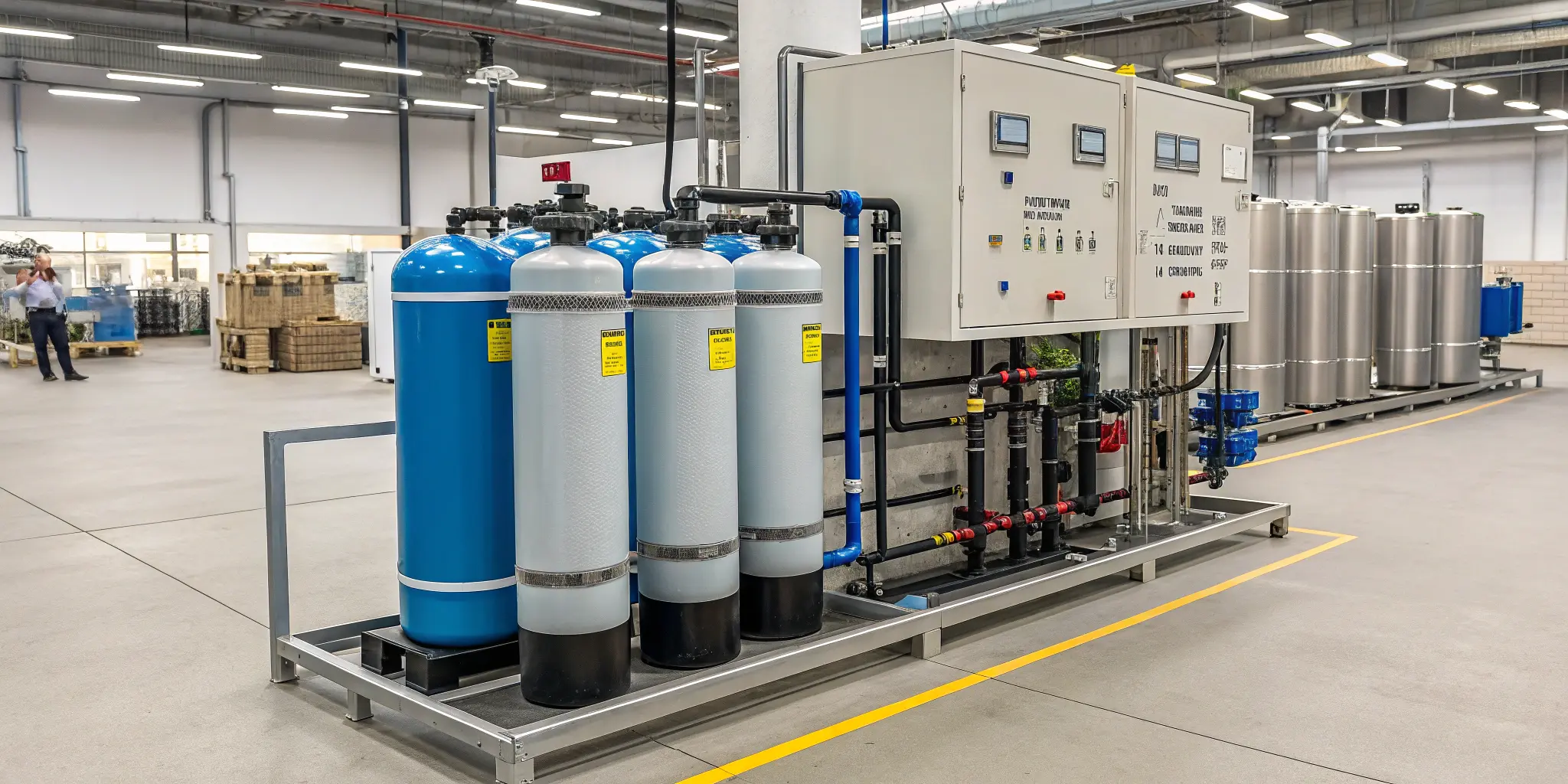
Alright, let’s talk about something you definitely don’t think about when you’re munching on a crispy fry or sipping a fountain soda: the water that made it all possible. Yep, we’re diving into commercial food service water filtration. It sounds like a snooze fest, I know, but stick with me—it’s actually the secret superhero of your favorite restaurant.
Think of water as the silent backbone of any kitchen. Without good water, your coffee tastes like regret, your ice cubes look cloudy, and your dish machine leaves spots on glasses that scream “I gave up.” It’s a whole vibe, and not a good one.
Why Bother? Water Isn’t Just Water
Here’s the kicker: tap water is a wild card. Depending on where you live, it might be loaded with chlorine, minerals, or even tiny bits of sediment that make your food taste… off. That’s where filtration comes in—it’s like a bouncer for your water, keeping the riff-raff out.
Must Read
Imagine brewing a pot of coffee with tap water that smells like a swimming pool. Your morning latte turns into a chemical experiment, and nobody tips for that. Filtered water fixes that by removing the chlorine and funky odors.
Plus, it saves your expensive equipment. Espresso machines, steamers, and ice makers are divas—they hate hard water. Without filtration, scale builds up inside them, and suddenly you’re forking over cash for repairs instead of buying that shiny new blender. No thanks.
The “Gross” Factor: Ice and Soda
Let’s get real about ice. You know that weird, stale taste when you chew ice from a gas station? That’s unfiltered water, my friend. In a commercial setting, clear, clean ice is a sign of quality. It’s the difference between “classy joint” and “place I only go to after 2 AM.”
Soda fountains are even pickier. If the water isn’t filtered, the syrup-to-water ratio gets wonky, and your cola tastes flat. Customers won’t say, “The water is bad!” They’ll just say, “This place is meh,” and never come back. Ouch.
So, a good filtration system isn’t a luxury—it’s a customer-retention tool. Who knew plumbing could be so strategic?
What’s Actually in the Box?
Most commercial systems use a combo of sediment filters (to catch dirt and rust) and carbon filters (to grab chlorine and yucky tastes). Some even have a reverse osmosis stage, which is fancy science talk for “water so pure it’s almost holy.”
You can also get a water softener if your town has hard water. That’s the thing that makes your hands feel slimy after washing them—but in a good way, no more scale buildup. Your dishwasher will literally thank you with shiny glasses.
And here’s the best part: most of these systems are low-maintenance. You just swap out a filter cartridge every few months. It’s easier than changing a lightbulb, and you don’t have to stand on a wobbly chair.
“But Is It Expensive?”
Okay, let’s talk money. A basic commercial system can cost a few hundred bucks, while a top-tier setup might run a thousand or more. Sounds steep, right? But think of it as insurance for your reputation.
One coffee shop owner told me his filtered water paid for itself in three months because his machine stopped breaking down. Plus, his regulars started complimenting the “smooth” taste of his iced tea. That’s marketing gold, my friend.
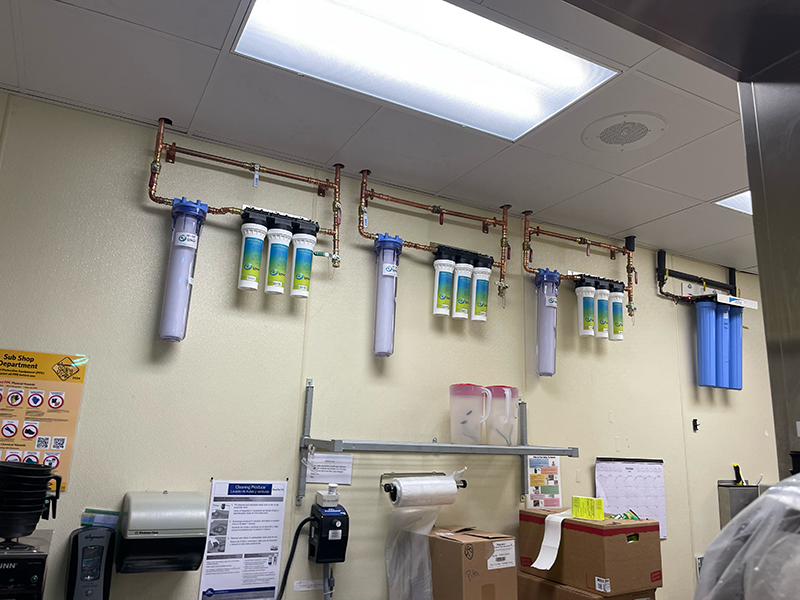 The Benefits of Commercial Water Filtration Systems for Your Business
And honestly, bad water costs you more in the long run. Bad reviews, wasted food, and repair bills add up fast. So, yeah, filter up now, cry once, and smile later.
The Hidden Benefit: Cleaner Kitchens
Here’s a fun fact: filtered water makes everything cleaner. Your dish machine runs better, your pots don’t get white crusty deposits, and your prep sink stays looking fresh. It’s like giving your kitchen a spa day, every day.
Even your steam table—you know, the one that keeps your mashed potatoes warm—will last longer. Scale buildup in steamers is a nightmare, but clean water keeps them running smooth. Your potato soup says “thank you.”
And let’s not forget the ice machine. A clean ice machine is a happy ice machine. No slime, no smells, just pure, crunchy goodness. Your customers will be crunching happily, clueless about the heroic filter in the back.
Installation: Not a Horror Story
Contrary to what you might think, installing a commercial filter isn’t a This Old House nightmare. Most systems come with quick-connect fittings and easy instructions. If you can assemble IKEA furniture (without crying), you can install this.
If that still sounds scary, hire a plumber for an hour. They’ll do it while sipping coffee from your now-perfect tap. And it’s a one-time deal—after that, it’s smooth sailing.
You can even get wall-mounted or under-counter units that take up zero valuable counter space. Chain restaurants use them, and if it works for a McDonald’s, it’ll work for your cozy bistro.
The Final Taste Test
Here’s a challenge: next time you’re at a restaurant that doesn’t filter water, pay attention. That metallic tang in the iced tea? That flat soda? Those are calling cards of an unfiltered life. Don’t be that place.
Investing in a good filtration system is like giving your customers a high-five inside their mouths. It’s subtle, but they feel it. They’ll sip, smile, and order another round.
So, whether you run a food truck, a diner, or a five-star spot, remember: great food starts with great water. And great water starts with a filter. Now go forth, hydrate your ingredients, and make your kitchen the hero it was born to be.
And hey, the next time someone compliments your coffee, just wink and say, “It’s the water.” They’ll think you’re a wizard. You’re not, but your filter is. Cheers to that!
