Cost Of Bottled Di Water St108 Compliance

You know that moment when you’re standing in the hardware store aisle, staring at a jug of water that costs more than a fancy latte? And your brain whispers, “It’s just water....
You know that moment when you’re standing in the hardware store aisle, staring at a jug of water that costs more than a fancy latte? And your brain whispers, “It’s just water.” But then, your phone buzzes with a work email about ST108 compliance, and suddenly that jug feels like a life-or-death decision. It’s like choosing between a five-star hotel and a haunted motel—except the haunted motel might rust your expensive equipment.
Let’s be real: nobody wakes up thinking, “I can’t wait to pay fifteen bucks for bottled DI water.” But here we are, in a world where the water in your toilet isn’t fancy enough for your lab or your espresso machine. I once watched a friend pay twenty dollars for a gallon of deionized water, and I swear, he treated it like a tiny bottle of vintage wine. He even wiped dust off the cap before opening it. That’s ST108 for you—it turns ordinary water into a high-maintenance celebrity.
What even is ST108 water?
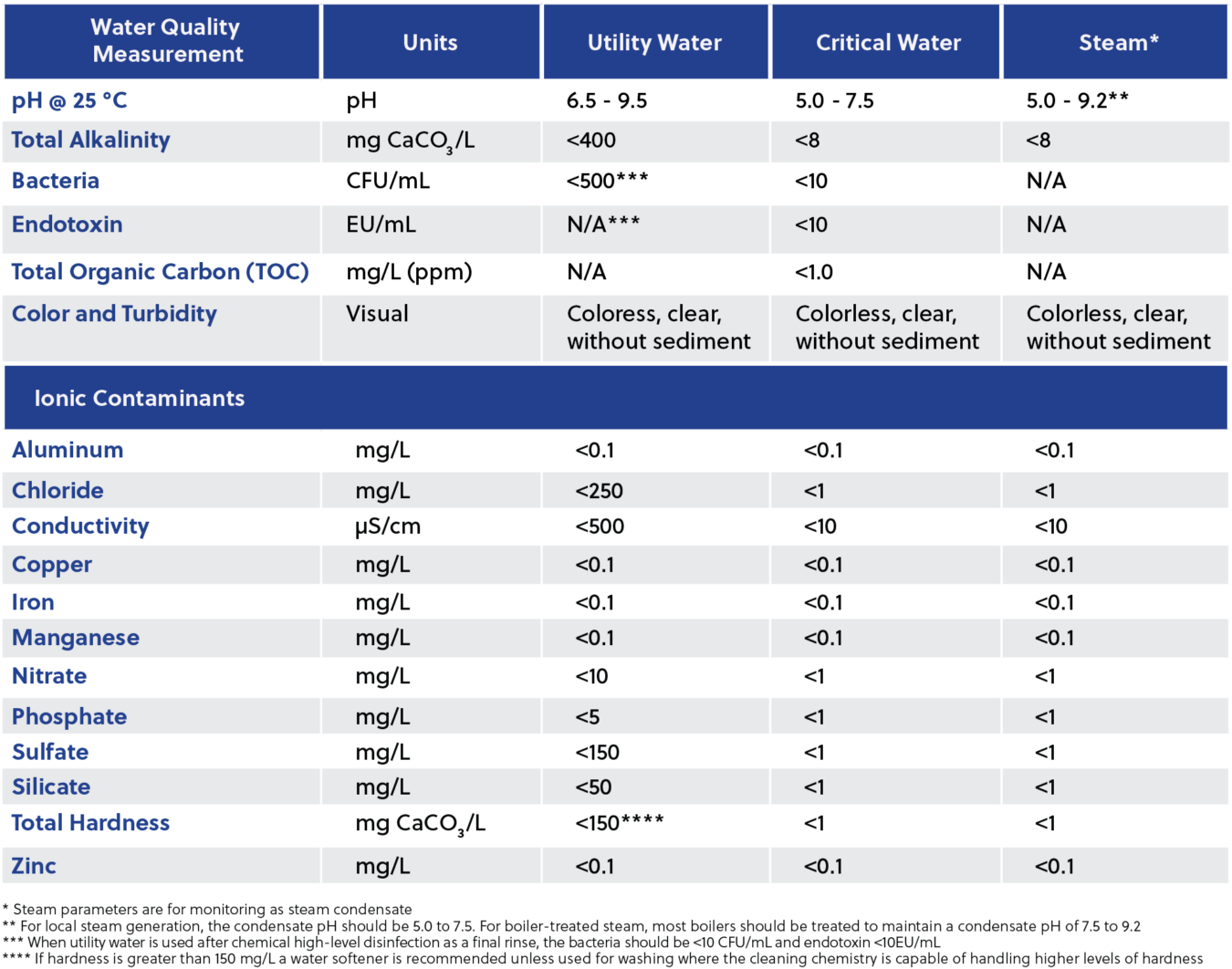
ST108 isn’t a secret agent or a new Star Wars droid. It’s a purity standard that says your water must be cleaner than a nun’s conscience. It’s for things like medical labs, electronics manufacturing, or that fancy coffee machine at work that hasn’t been descaled since 2019. The rule is simple: water must have almost zero dissolved solids, no bacteria, and a resistivity that makes your tap water look like a muddy puddle.
Must Read
So why does it cost an arm and a leg? Because making ST108-compliant water is like training a goldfish to do taxes. It takes special filters, reverse osmosis, UV light, and a lot of energy. You’re paying for the guarantee that this water won’t ruin your $50,000 microscope or your morning latte by leaving a chalky film. It’s the security blanket of the fluid world.
The price tag shocker
Buying bottled DI water for ST108 compliance feels like paying a surgeon to roast you a marshmallow. You know it’s necessary, but the cost makes you want to lie down. A 5-gallon jug can easily set you back $35 to $50 depending on your location and the vendor. Compare that to tap water, which costs about three pennies for a thousand gallons, and you realize you’re paying a premium for perfection.
I once overheard a guy at a lab supply store mutter, “I could buy a used car for what I spend on water every quarter.” And he wasn’t wrong. One client of mine spent over $2,000 a year on bottled DI water—enough to buy a nice couch or a suddenly outdated smartphone. But hey, at least his experiments didn’t grow weird green slime. Small victories, right?
When cheap water attacks
Imagine you decide to save money and use regular distilled water for your ST108 application. Big mistake. It’s like putting diesel in a Ferrari—the engine will cry. That “bargain” water might still contain ions that will corrode your pipes or leave deposits that ruin a cleanroom. I’ve seen a $10,000 piece of lab equipment die because someone used water from a discount store. The technician shook his head and said, “That’s a thousand-yard stare moment.”
The funny part? Once you’ve gone ST108, you can’t go back. You become a water snob. You’ll taste a glass of tap water and mutter, “Too much calcium.” Your friends will think you’re crazy. But you know the truth: you’ve been corrupted by purity.
 AAMI/ANSI ST108 Sterile Processing: Navigating The New Standard
Hidden costs that sneak up on you
Bottled ST108 water doesn’t just cost money—it costs space and sanity. Those big blue jugs will take over your garage, your office, or your kitchen pantry. I’ve seen people stack them like Jenga blocks, hoping they don’t topple over and flood the floor. And the delivery guy? He arrives at 6 AM, banging on your door, while you’re still in pajamas. It’s like having a very regular, very watery subscription to panic.
Then there’s the waste. Plastic jugs that you have to return or recycle, labels that peel off in your hands, and that one time you forgot to order and had to ration your last gallon like you were crossing the Sahara. I once used a spray bottle of ST108 water to clean one single brush. I felt like I was burning cash for warmth.
Is there a cheaper way?
Yes, but it requires adulting. You can install a DI water system in your lab or home—that’s like owning your own water brewery. The upfront cost is high (think $1,000 to $3,000), but over time you’ll save money and avoid the panic of running out. Plus, you get the smug satisfaction of making your own ultra-pure water. It’s a whole new level of nerd chic.
My neighbor did this and now treats his water system like a pet. He checks the conductivity meter every day and calls it “his baby.” I won’t lie—I’m a little jealous. He has endless ST108 water for his espresso machine, and his shots taste like liquid gold. Meanwhile, I’m still hoarding jugs like a doomsday prepper.
The final laugh
Look, nobody enjoys the cost of bottled DI water for ST108 compliance. But it’s one of those weird adult responsibilities that makes you feel like a real professional. It’s the fine print of life—boring but essential. Next time you grab that expensive jug, just imagine you’re buying a tiny insurance policy against disaster. Or pretend it’s sparkling water for robots. Either way, smile and nod. We’ve all been there, standing in the aisle, clutching a gallon that costs more than lunch, and knowing it’s worth every penny. Even if it makes you feel a little silly.
