Steamed Distilled Water Vs Distilled Water

So, my friend Karen—bless her perpetually hydrated soul—texted me the other day in a panic. She’d just bought a fancy countertop distiller and was about to fill it up, when a...
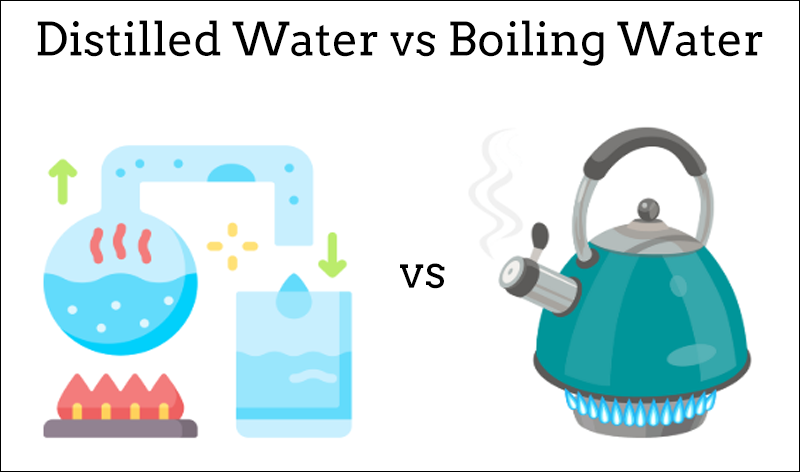
So, my friend Karen—bless her perpetually hydrated soul—texted me the other day in a panic. She’d just bought a fancy countertop distiller and was about to fill it up, when a blog post screamed at her that “steamed distilled water” was somehow different, and superior. She was frozen, staring at her tap water like it might bite her. I had to talk her down, and honestly, I had to Google it myself first.
Here’s the dirty little secret: Steamed distilled water and distilled water are basically the same thing. It’s like arguing whether a “toasted bagel” is a different food group from a “bagel.” The steam is the process. You boil water, catch the steam, cool it back into liquid. Voilà—distillation.
The confusion usually comes from marketing wizards who love to throw in extra adjectives. They slap “steamed distilled” on a bottle to make it sound more artisanal, like a microbrewery for your humidifier. But science doesn’t care about branding—it cares about physics.
Must Read
The Great “Is It Cleaner?” Debate
Here’s where my inner nerd gets a little ticked off. Some folks claim steamed distilled water is “purer” because the process uses gentle evaporation. Newsflash: all distillation relies on the same phase change—liquid to vapor, then back to liquid. There is no second, secret steam-magic step.
Think of it this way: if you boil a pot of water on your stove and catch the condensation on a cold lid, you’ve made distilled water. If you do it in a fancy machine that whispers “steam” in a British accent, it’s still distilled water. The only variable is how well your equipment removes volatile contaminants.
Now, if you’re using a countertop distiller that runs a carbon filter after the steam phase? That’s a different beast. But that’s “distilled and filtered,” not “steamed distilled.” Don’t let the labels fool you.
The Irony of “Mountain Fresh” Distilled Water
I once saw a bottle of “Natural Spring Steam Distilled Water” at a grocery store. (Pause for dramatic eye roll.) Spring water hasn’t been boiled; steam distillation literally strips it of all minerals and gases. That bottle was a beautiful oxymoron.
 Water Showdown: Purified vs. Distilled - Mr Water Distiller
So, when you see “steamed distilled water,” just mentally translate it to “distilled water, but someone thought it sounded fancier.” The irony is that distilled water is prized for being dead—no minerals, no bacteria, no life. Perfect for CPAP machines, car batteries, and ironing, but hardly “spring fresh.”
And let’s be honest: if you’re drinking it long-term, you’re actually robbing your body of electrolytes. That’s a whole other article, but for now, just know that “steamed” doesn’t make it healthier.
Practical Takeaway (No Meme Required)
If you’re buying distilled water for appliances, check the label for “distilled” and ignore any adjectives. Your steamer doesn’t care if the water was steamed; it just cares that it’s mineral-free. If you’re distilling at home, your machine already does the steam part—you don’t need to upgrade to a “steam-deluxe” model.
Bottom line: the only real difference is in your wallet. You might pay a premium for “steamed distilled,” but you’re buying exactly the same H₂O molecules that any distiller would give you. Save your cash for a good water filter instead.
So next time you see “steamed distilled water” on a shelf, give it a little wink. It’s just regular distilled water wearing a fancy hat. And Karen? She’s now happily filling her distiller with tap water, rolling her eyes at internet drama. I think we can all learn from Karen.
