Bacteria In Well Water Treatment Denver Co

So, you live in Denver. You’ve got that mile-high pep in your step, a killer view of the Rockies, and… maybe some uninvited guests in your water glass. We’re talking bacteria....

So, you live in Denver. You’ve got that mile-high pep in your step, a killer view of the Rockies, and… maybe some uninvited guests in your water glass. We’re talking bacteria. Oh, relax. It’s not that scary. Your well water isn’t a science experiment gone wrong, but it can be a bit of a wild card without a little TLC. I’ve been there, staring at a glass like it’s going to grow legs.
Here’s the thing: Denver’s soil is gorgeous, but it’s not a filter. Rain and snowmelt pick up all sorts of hitchhikers on their way to your aquifer. We’re talking coliform bacteria, E. coli’s less-fun cousin, and even iron-eating critters that turn your sink orange. Gross, right? But before you swear off tap water forever, let’s chat about how to kick these little buggers out.
The Bacterial Squatters
First, a reality check. Most bacteria in well water are harmless. They’re just, well, there. But some, like E. coli, are party crashers that can give you a nasty stomach bug. Runny nose? No. Run to the bathroom? Maybe. It’s a game of “Who’s in My Glass?” and you don’t want to lose.
Must Read
How do they get in? Cracks in the well casing, a loose cap, or surface water seeping in after a big snowmelt. Ever see that brownish water after a spring storm? That’s your well saying “Hey, I’m not a sealed Tupperware container.” If you taste something off, or it smells like a swamp, you’ve got fighters in the ring.
The Fix: It’s Not Rocket Science
Alright, friend, here’s where we get practical. Treatment in Denver is super straightforward. You’ve got options, and none of them require a chemistry degree. First up: chlorination. Yes, like a swimming pool, but way less chlorine. A shock treatment (bleaching the well) can kill most bacteria instantly. It’s cheap, it’s fast, and it makes your water smell like a laundromat for a day. Small price to pay, right?
Next: UV filters. These are the ninjas of water treatment. A UV light zaps bacteria as they pass through—no chemicals, no taste, no fuss. It’s like a tanning bed for water, but without the awkward tan lines. If you have a modern setup in Denver, this is your best friend. Just remember to change the bulb yearly. Yes, it’s a chore, but so is folding socks.
Also, don’t sleep on sediment filters. They catch the dirt and debris that bacteria ride in on. Think of them as the bouncer at the club, checking IDs. No ID, no entry. Pair a sediment filter with a UV light, and you’ve got a tag-team that sends bacteria packing.
Testing: Your Secret Weapon
Here’s a hot take: You can’t fix what you don’t test. I know, I know—testing sounds like homework. But in Denver, it’s a huge deal. Bacteria levels change with seasons. Spring runoff? Boom, new friends. Dry summer? Less action. Testing once a year is like a check-up for your well. It costs maybe fifty bucks and saves you from drinking a science experiment.
Call a local lab (or your county health office). They’ll give you a sterile bottle. You fill it, mail it, and wait. When the results come back, look for total coliform and E. coli. If it’s positive, don’t panic. Just march straight to a treatment pro. Denver has tons of specialists who geek out on this stuff.
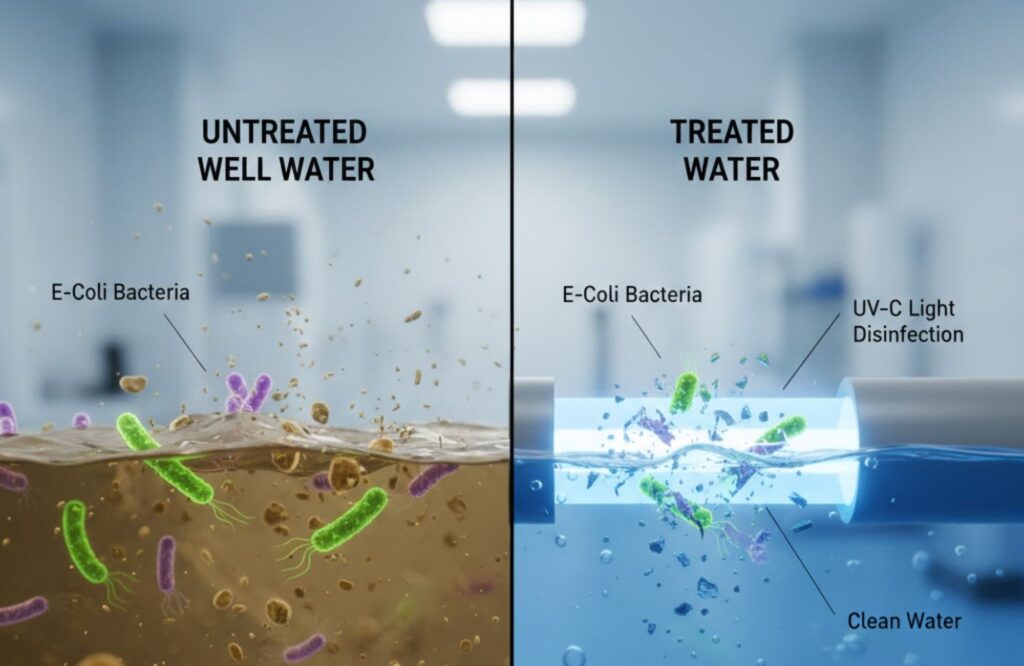 E. Coli in Well Water Treatment: What to Do Next - Housatonic Valley
DIY or Call a Pro?
Can you shock your own well? Sure. Grab a jug of bleach, follow a YouTube video, and pray you don’t overdo it. But—and this is a big but—if you mess up, you can damage your well pump or blow a gasket. Literally. I’ve seen it happen. For the cost of a plumber’s visit (maybe $200-$400), you get peace of mind. Or, you know, you can have a fun weekend adventure with a garden hose and a chemistry set. Your call.
If you go pro, they’ll also check your well casing for cracks. Sometimes the problem isn’t the water—it’s a faulty seal. Fix that, and boom—bacteria disappear like my motivation to run stairs in July. It’s a game-changer.
The Taste Test
Let’s be real: bacteria often come with a funky taste. Sulfur bacteria? That’s the rotten egg smell. Iron bacteria? Your water looks like rusty tea. But here’s the tricky bit: you can’t always taste harmful bacteria. E. coli is sneaky. It doesn’t announce itself with a flavor. That’s why testing is your BFF. Don’t rely on your nose alone—it’s a liar sometimes.
So, what’s the vibe in Denver? Most wells are fine, but we get heavy clay soil and sudden downpours. That combo means bacteria love to hitch a ride. If you live in Littleton or near the foothills, pay extra attention. Your well is more exposed than a downtown penthouse.
The Grand Finale
Look, bacteria in well water isn’t a dirty little secret. It’s just part of owning a well. Like mowing the lawn or chasing squirrels out of your attic. You deal with it, you move on. With a UV filter, a shock treatment, and annual testing, you’ll have water that’s clean, safe, and bacterial-squatter-free. And honestly, isn’t that better than hauling jugs from the store? I think so.
So grab that coffee—or glass of well water, if you’re brave—and toast to clean H2O. You’ve got this. And if you don’t? Call a pro. They’ll handle the bugs. You just handle the views. Cheers, Denver!
