What Do Charcoal Filters Remove From Water

Your Water’s Secret Rock Star: The Charcoal Filter Let’s be honest: tap water can be a little… meh. It might taste fine, but there’s often a hint of something chlorine-y or m...
Your Water’s Secret Rock Star: The Charcoal Filter
Let’s be honest: tap water can be a little… meh. It might taste fine, but there’s often a hint of something chlorine-y or metallic. Enter the charcoal filter, your kitchen’s humble hero that turns blah into ahh.
But wait—what does this black, crumbly stuff actually do? Spoiler: it’s not magic, but it’s science that feels like magic. And once you know, you’ll never look at a glass of water the same way again.
The Ultimate Bouncer for Your Glass
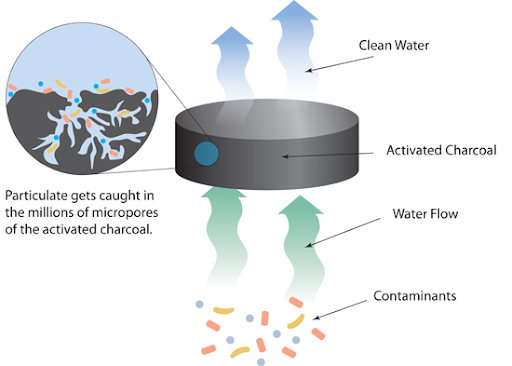
Think of activated charcoal as the world’s most enthusiastic bouncer at a club. It’s got a massive surface area—like a secret network of tiny tunnels and caves designed to trap riffraff.
Must Read
When water flows through, the charcoal grabs onto unwanted particles using a process called adsorption. That’s fancy-speak for “stickiness with a purpose.” It latches onto chlorine, sediment, and those weird volatile organic compounds (VOCs) that make water smell like a swimming pool.
Your taste buds will thank you after the first sip. Suddenly, that “plain water” tastes crisp and clean—like it just came from a mountain spring. Who knew a hunk of burnt coconut could be so generous?
Bye-Bye, Bad Tastes and Smells
That earthy, musty scent from old pipes? Gone. The faint whiff of rotten eggs (thanks, sulfur)? Evaporated into thin air. Charcoal filters are like a personal deodorant for your hydration station.
And here’s the fun part: you don’t need to be a chemist to notice the difference. Make a cup of tea with filtered water, then with tap water. The filtered one will taste cleaner, letting the tea leaves shine. It’s a tiny upgrade that makes your morning ritual feel luxurious.
The Chemistry Party Trick
Charcoal also removes pesticide residues and industrial chemicals that might sneak into municipal water. Don’t panic—your water is safe! But a filter adds an extra layer of peace of mind, like a seatbelt for your glass.
It doesn’t remove everything—minerals like calcium and magnesium (the good stuff) stay put. So you still get healthy hydration, just without the weird side characters. It’s like editing a movie to keep the best scenes and cut the boring filler.
 How to Filter Water Naturally at Home
Why This Makes Life More Fun
Imagine: you’re hosting a dinner party. You pour ice-cold water into elegant glasses. Your guests take a sip and say, “Wow, this water tastes amazing!” You smile, knowing your secret weapon is a $20 charcoal filter pitcher.
It’s also the ultimate hack for cocktails and coffee. Ice cubes made with filtered water? No funky aftertaste. Your morning brew becomes a barista-level experience. Suddenly, you’re the friend who “just gets it.”
Plus, it’s eco-friendly. Skip the plastic bottles, refill your reusable one, and let the charcoal do the heavy lifting. Saving the planet never tasted so good.
Inspiration to Keep Exploring
Here’s the uplifting truth: small changes lead to big joy. A charcoal filter isn’t just removing chlorine and bad vibes—it’s unlocking a world of better-tasting food, clearer skin (less chemical exposure), and a happier you.
And guess what? This is just the beginning. If you’re curious about what else lurks in your water—or how to turn your sink into a science experiment—there’s a whole universe of filtration waiting. Alkaline filters? UV purifiers? Reverse osmosis? It’s an adventure.
So go ahead: fill a glass, take a sip, and feel the tingle of a cleaner life. You’ve got the power to make something simple—water—into a daily delight. Stay curious, stay hydrated, and let the charcoal do the rest. Cheers to better sips!
