Can You Get Microplastics Out Of Your Body

So, you’ve heard the buzz: microplastics are everywhere. They’re in the air we breathe, the water we drink, and apparently even in our bodies. Seriously, scientists have found...
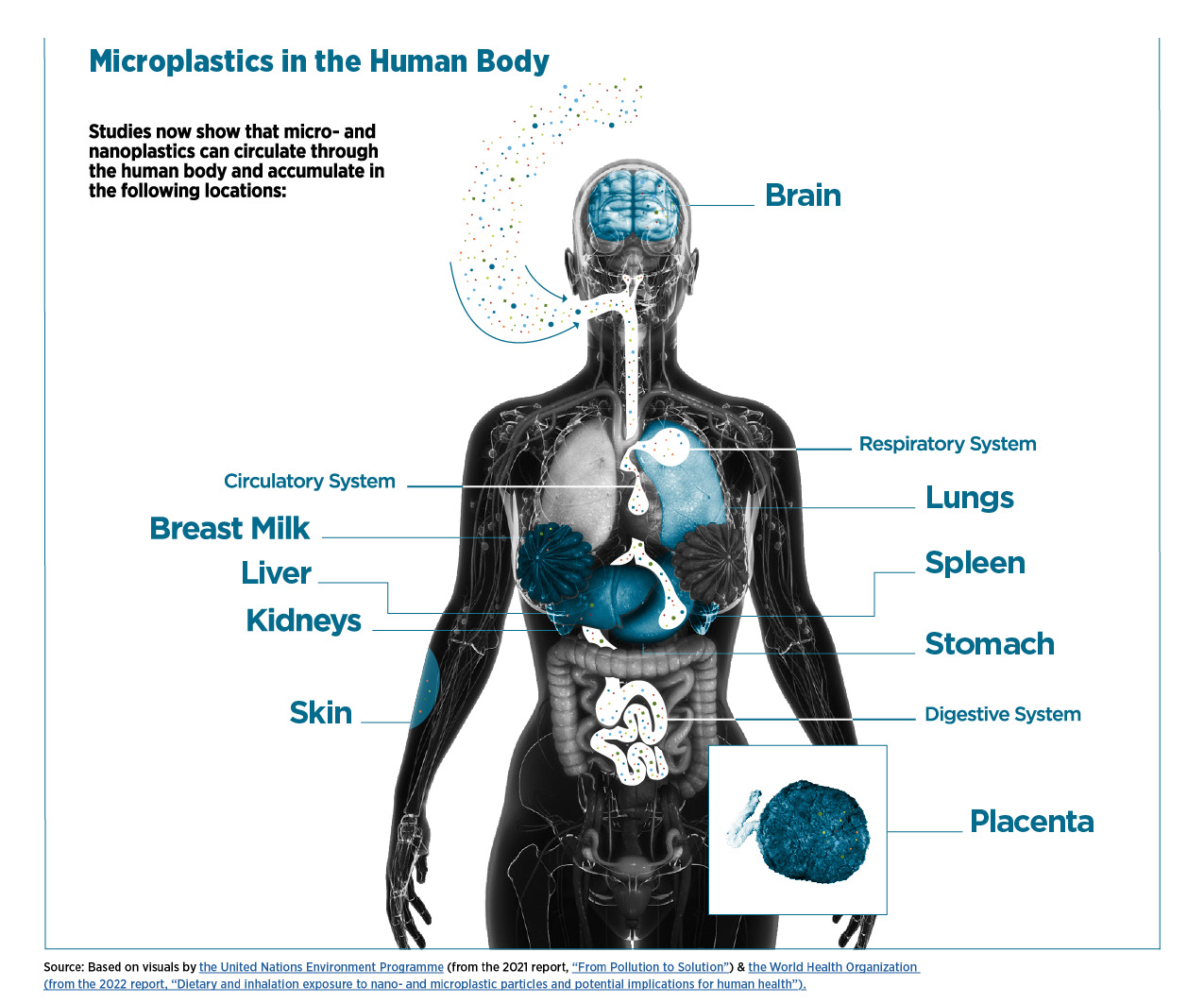
So, you’ve heard the buzz: microplastics are everywhere. They’re in the air we breathe, the water we drink, and apparently even in our bodies. Seriously, scientists have found these tiny plastic bits in human blood, lungs, and even placentas.
Naturally, your first thought is probably: “Uh oh. Can I get them out? Can I hit ‘Ctrl+Z’ on this whole plastic thing?” It’s a totally fair question, and honestly, a bit of a creepy one. Let’s dive in, shall we?
First, A Little Reality Check
Here’s the thing: your body doesn’t exactly have a “microplastic filter” like a Brita pitcher for your insides. Most of the plastic you swallow or inhale appears to just pass right through you, like that glittery confetti you regret buying for New Year’s Eve.
Must Read
But some of these tiny particles are really tiny. We’re talking nanometers small—so small they can slip through your gut lining and hitch a ride in your bloodstream. Once they’re in there, well, it’s not like they have a return address.
So, can we actively remove them? The honest, slightly disappointing answer is: we don’t totally know yet. Science is still figuring out if our body has a natural way to sweep them out, like a little janitor with a plastic-broom.
Your Body’s Built-In “Plastic Patrol” (Maybe)
Okay, don’t panic yet. Your body is incredible at dealing with junk. It has systems—your liver, kidneys, and lymphatic system—that are constantly filtering toxins, old cells, and weird stuff you accidentally inhale.
Some researchers think microplastics might get wrapped up in immune cells and eventually dumped into your bile or urine. It’s like your body is saying, “Look, I don’t know what this Lego piece is, but I’m kicking it out the back door.”
The problem? Plastics are persistent. They don’t break down easily, like that one friend who won’t leave a party. So even if your body tries to boot them, some might just hang around in your tissues for a while.
Can You Sweat Them Out? (The Glamorous Detox Dream)
You’ve probably seen ads for expensive detox teas or sauna sessions that promise to “flush out plastics.” Let’s be real: sweating is not a magic eraser for microplastics.
Your sweat is mostly water and salt, not microplastic soup. While sweating feels great and helps with circulation, there’s zero solid evidence it’s going to scrub plastic particles from your liver. Sorry, wellness influencers!
What does help a bit? Fiber. Eating foods like oats, apples, and broccoli may help bind to microplastics in your gut and escort them out the exit door (the one with the flush handle). Think of it as a natural “bye-bye plastic” shuttle service.
The Real Move: Stop Adding to the Party
Here’s the good news: you don’t need a fancy detox to start. The best way to “get microplastics out” is to stop letting them in so your body has a fighting chance.
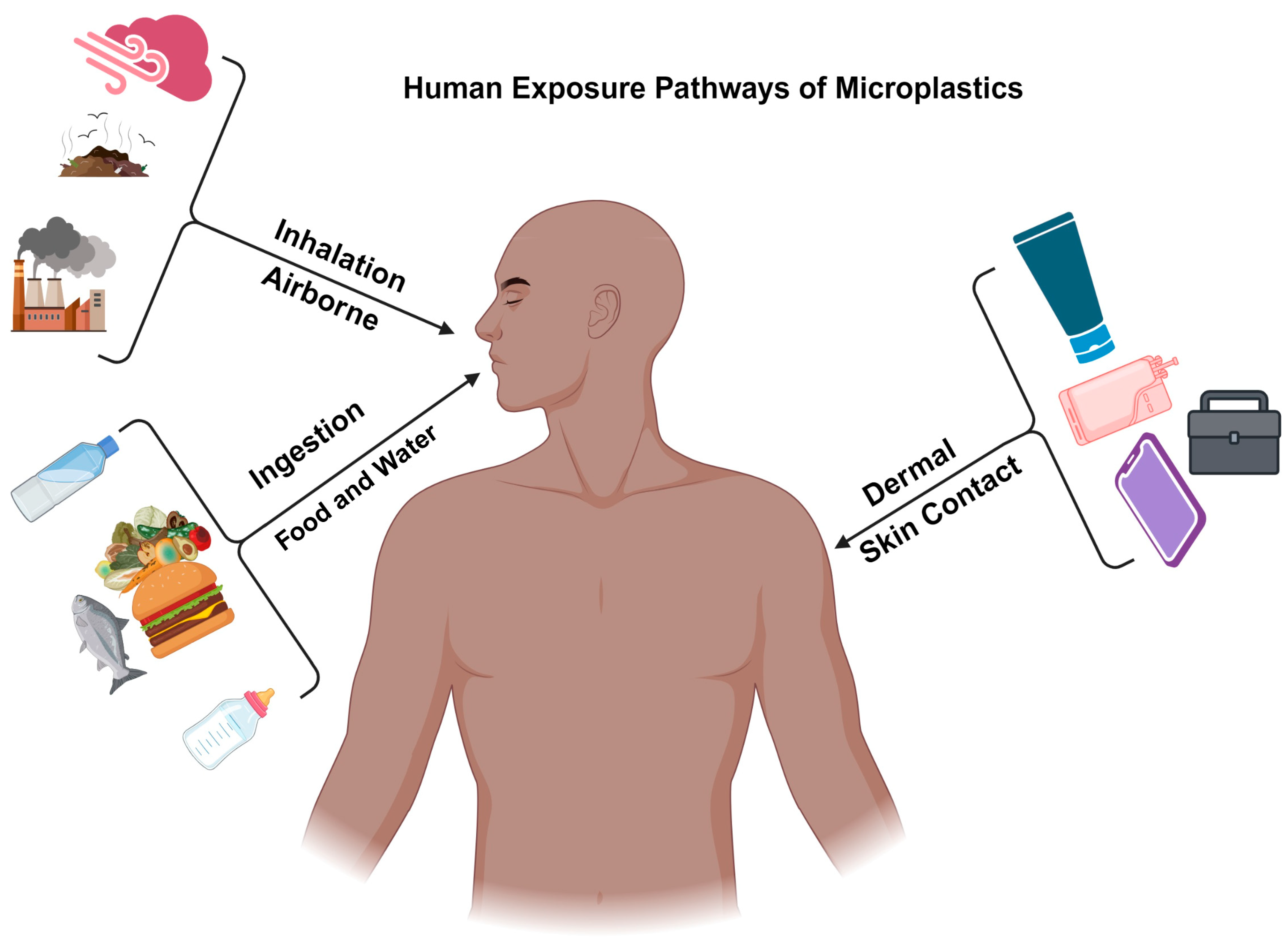 Impact of Microplastics on Human Health: Risks, Diseases, and Affected
Simple swaps can make a huge difference: ditch plastic water bottles for a glass or steel one. Avoid microwaving food in plastic containers (that heat is like a plastic release party). And maybe don’t store leftovers in a takeout container that feels like it’s from the year 2001.
Oh, and vacuuming and dusting your home actually helps. A lot of microplastics settle in dust. So, congrats: cleaning your room is now officially a health hack. Your mom was right all along.
What About Those “Microplastic Detox” Supplements?
If you Google “microplastic detox,” you’ll find dozens of expensive powders and pills promising to save you. Spoiler: most are probably a waste of money.
Some claim to use “binding agents” like activated charcoal or chlorella. While these can bind to some toxins, there’s very little research proving they grab microplastics specifically. Plus, they can also bind to good nutrients you need.
So, unless you want to accidentally flush your vitamins down the toilet along with the plastic, stick to whole foods and water. Your wallet—and your gut—will thank you.
The Uplifting (Yes, Really) Conclusion
Here’s the thing you need to remember: you are not a plastic bottle. You are a resilient, magnificent, squishy human with an immune system that has survived the flu, bad decisions, and eating gas station sushi at 2 AM. You’ve got this.
Will you ever be 100% microplastic-free? Maybe not in this lifetime. But you can absolutely reduce your load, and your body is surprisingly good at managing what’s left—like a superhero janitor who doesn’t need a cape.
So take a deep breath (maybe away from that truck exhaust). Drink water from a glass. Eat an apple. Laugh at the sheer absurdity of our plastic-filled world. And remember: you are not broken. You’re just a little bit 21st-century, and that’s okay. You’re still doing a great job.
Now go hug a houseplant and clink your steel water bottle. Cheers to you, you beautiful, slightly-plastic-y human. 🥳
