Can Drinking Hard Water Cause Kidney Stones

So, you’re staring at your water glass, noticing a little white residue at the bottom. You’ve heard whispers about “hard water” and kidney stones, and now you’re wondering: sh...
So, you’re staring at your water glass, noticing a little white residue at the bottom. You’ve heard whispers about “hard water” and kidney stones, and now you’re wondering: should I be worried? Let’s take a chill, curious look at what’s actually going on here.
First, let’s get friendly with hard water. It’s basically just regular water that picked up extra calcium and magnesium on its journey through rocks underground. Think of it as water that’s been hanging out with too many minerals—like a smoothie that accidentally got a double dose of spinach.
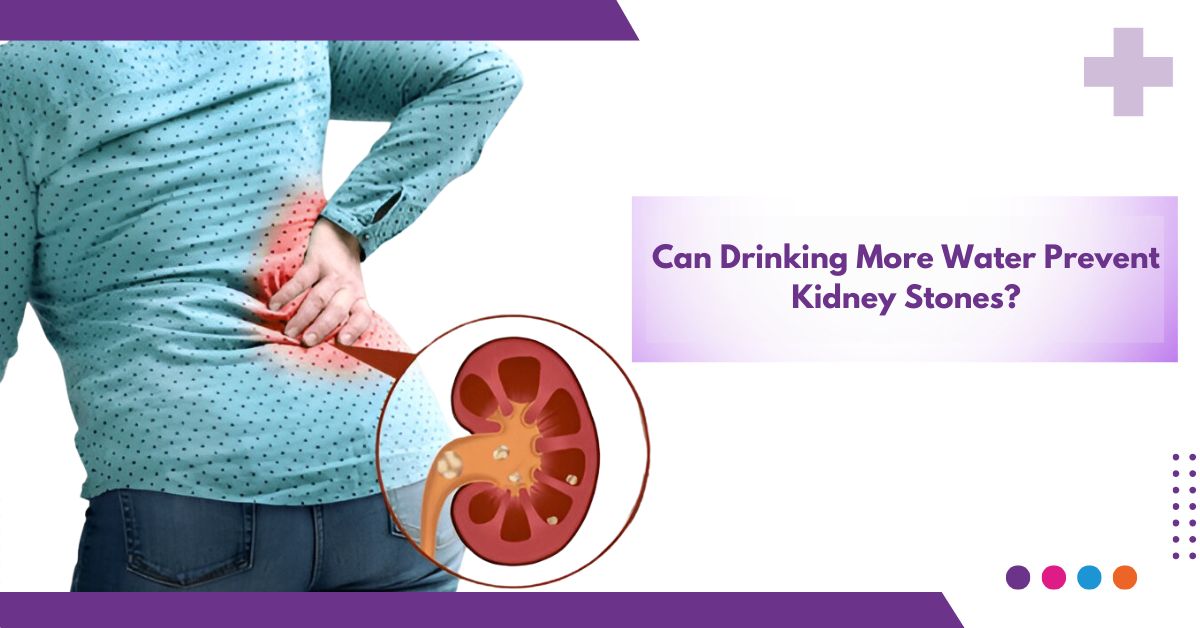
Now, kidney stones are a different beast. They’re hard, pebble-like clumps that form in your kidneys when certain substances—usually calcium, oxalate, or uric acid—get too concentrated. Ouch, right? So the big question is: does drinking mineral-rich hard water make those stones more likely?
Must Read
The million-dollar question: correlation or causation?
It sounds logical: hard water has calcium, kidney stones often contain calcium, so more calcium in your water must mean more stones. But hold up—your body isn’t that simple. In fact, some studies suggest that drinking hard water might actually lower your risk for certain stones.
Wait, what? How does that work? Well, think of calcium as a bouncer at a club. When you get enough calcium from your diet (or water), it binds with oxalate in your gut before it reaches your kidneys. This keeps oxalate from forming the most common type of stone—calcium oxalate stones. Weird, right? The mineral that’s in the stone might actually help prevent it.
Of course, it’s not a perfect story. If you already have a history of kidney stones, especially calcium-based ones, your doctor might still suggest filtered water. But for most people, the minerals in hard water are probably not the villain you’re imagining.
What the research actually says
Let’s peek at the science without getting too lab-coat about it. A 2018 study in Scientific Reports found that people living in areas with harder water didn’t have a higher rate of kidney stones. In fact, some regions with softer water had more stone cases. Go figure!
Another review in the journal Nutrients pointed out that the ratio of calcium to magnesium in your water might matter more than the total calcium. Magnesium can actually help prevent stone formation by reducing oxalate absorption. So a balanced hard water—with both calcium and magnesium—might be your kidneys’ best friend.
But here’s the kicker: dehydration is a way bigger risk factor for kidney stones than any mineral in your tap water. If you’re not drinking enough fluids, your urine becomes super concentrated, and that’s when crystals start to party. Hard water or soft water, just drink more water.
 The Truth About Hard Water and Kidney Stones
So, should you ditch the hard water?
Probably not. Unless your water is so hard it tastes like a chalkboard, you’re likely fine. In fact, the minerals in hard water might even provide a small, helpful nudge toward kidney health. Think of it as a free, tiny mineral supplement you didn’t ask for.
But here’s where it gets fun: if you’re really curious, you can look up your local water hardness. Most municipal water reports are public. If your water is absurdly hard (like, above 200 milligrams per liter of calcium), you could try a simple pitcher filter—not to remove all calcium, but to balance the taste.
And remember, the coolest part is how your body adapts. Your kidneys are like tiny, overworked chemists. They adjust how much calcium and magnesium they reabsorb based on what you take in. So if you drink hard water, your body just might say, “Thanks, I’ll use this for my bones instead.”
A few practical, low-key takeaways
First, stay hydrated. Seriously, this is the single best way to avoid kidney stones. Aim for pale-yellow pee—not clear, not dark. Second, don’t fear the hard water. If you love the taste of your local water, keep drinking it.
Third, if you’ve ever had a kidney stone (bless your soul, that hurts), check with your doctor about your specific stone type. Some stones, like uric acid stones, are actually linked to diet and pH, not calcium at all. Hard water is just a tiny piece of a much bigger puzzle.
So, pour yourself a glass of that hard water, notice the little bubbles, and smile. Your kidneys are probably handling it just fine. And if you still feel a bit skeptical, hey—at least you’re thinking about your health in a curious way. That’s pretty cool.
