Is Distilled Water The Same As Boiled Water

Let’s be honest—you’ve probably stood in your kitchen, kettle in hand, and wondered: “Is boiled water the same as distilled water?” It’s one of those sneaky little questions t...
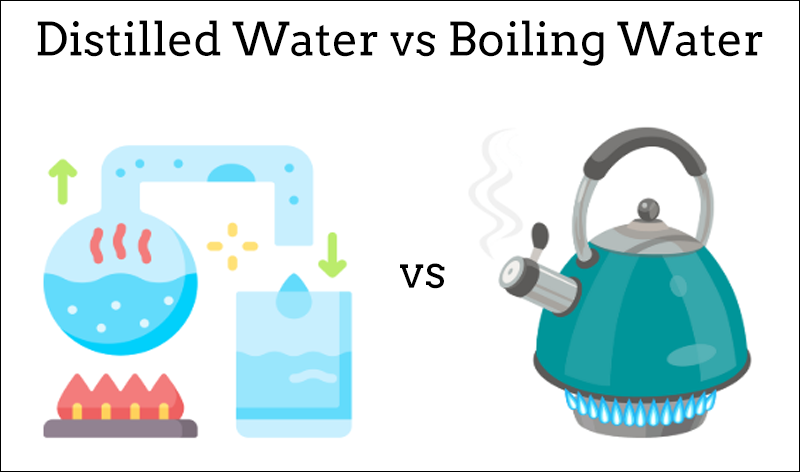
Let’s be honest—you’ve probably stood in your kitchen, kettle in hand, and wondered: “Is boiled water the same as distilled water?” It’s one of those sneaky little questions that sounds simple but, like a good magic trick, hides a surprising twist. Spoiler alert: they are not the same—and discovering why is actually a blast.
Think of boiled water as the friendly giant of the kitchen. You boil it to kill germs, make tea, or cook pasta—and it does a fantastic job. But here’s the thing: boiling only zaps the living stuff (bacteria, viruses), while leaving behind all the minerals, salts, and dissolved solids. So your “clean” boiled water is still a mineral cocktail.
Distilled water, on the other hand, is like the super-sleuth of H₂O. It’s water that has been turned into steam and then condensed back into liquid, leaving everything else behind—minerals, chemicals, and even heavy metals. The result? Water so pure it’s almost shy.
Must Read
Wait, so why does this even matter?
Great question—and it’s where things get fun! If you’ve ever had weird white scale on your coffee maker, that’s mineral buildup from boiled water. Distilled water? Zero scale. Your appliance will thank you with longer life and better-tasting brews.
And here’s a party trick: distilled water is the star of things like car batteries, steam irons, and even some medical devices. Boiled water would just gum them up. See? Science is secretly practical!
But can you drink distilled water?
Absolutely, but with a little wisdom. Distilled water is perfectly safe to drink, but it’s so pure that it lacks the trace minerals (like calcium and magnesium) your body enjoys. That’s not a problem if you eat a balanced diet. Just don’t rely on it exclusively, or you might miss those mineral buddies.
Here’s the kicker: boiled water tastes flat to many people because it loses dissolved oxygen. Distilled water can taste “empty” too. But if you add a pinch of sea salt or a splash of juice? Boom—you’ve just personalized your hydration.
How to tell them apart without a lab coat
Try this: boil a pot of tap water, and then also grab a bottle of distilled water from the store. Pour a glass of each. Swirl them. The boiled water will show tiny bubbles clinging to the glass (that’s dissolved minerals). Distilled water? Crystal clear and silent—like a ninja.
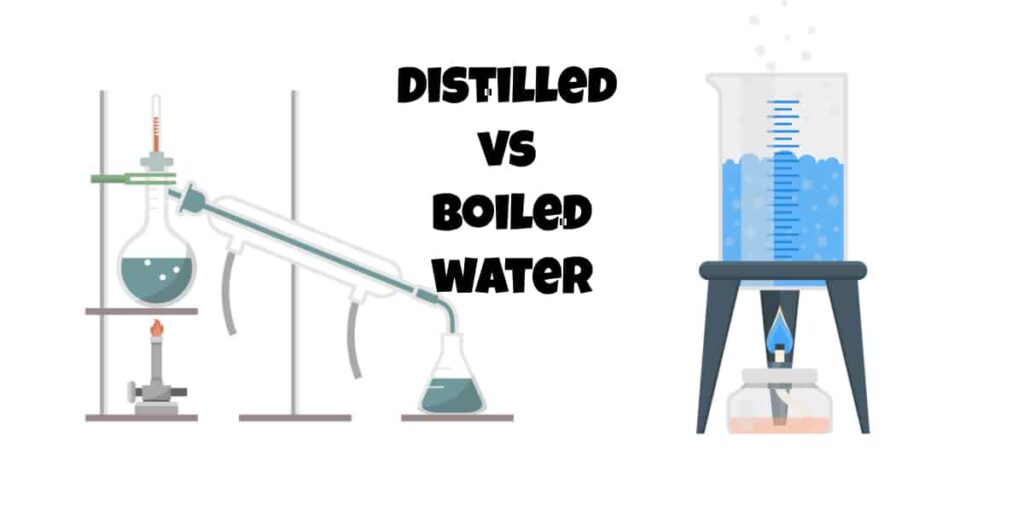 Is Boiled Water the Same as Distilled Water? | Water Filter Market
Or, if you’re feeling ambitious, boil both in a clean pot and see which one leaves a white ring. Spoiler: only boiled water will leave that chalky deposit. Distilled water is too polite to make a mess.
A lighter way to think about it
Boiled water is like a trusty friend who’s great at parties but always brings the same chips. Distilled water is the mysterious artist who shows up with a blank canvas—totally pure, ready for whatever you create. Both have their place, and neither is wrong.
The real fun starts when you decide which job each one does best. Use boiled water for your morning tea, soups, and cooking. Save distilled water for your humidifier, your steam iron, or that fancy espresso machine you love.
So, what’s the uplifting takeaway?
You don’t need to be a chemist to geek out about water. Every sip, every boil, every steam puff is a tiny adventure. The difference between distilled and boiled water isn’t a boring fact—it’s a reminder that curiosity makes life sparkle.
Next time you’re pouring a glass, smile at the science. Ask yourself: “What else is hiding in plain sight?” That question will lead you down rabbit holes of wonder—and maybe even save your coffee maker. Keep exploring, keep boiling (or distilling), and never stop being delightfully curious.
