How Many Bags Of Salt To Fill Water Softener

Picture this: you’re standing in the garage, holding a forty-pound bag of salt, staring at your water softener like it’s a cryptic puzzle box. You know you need to fill it, bu...
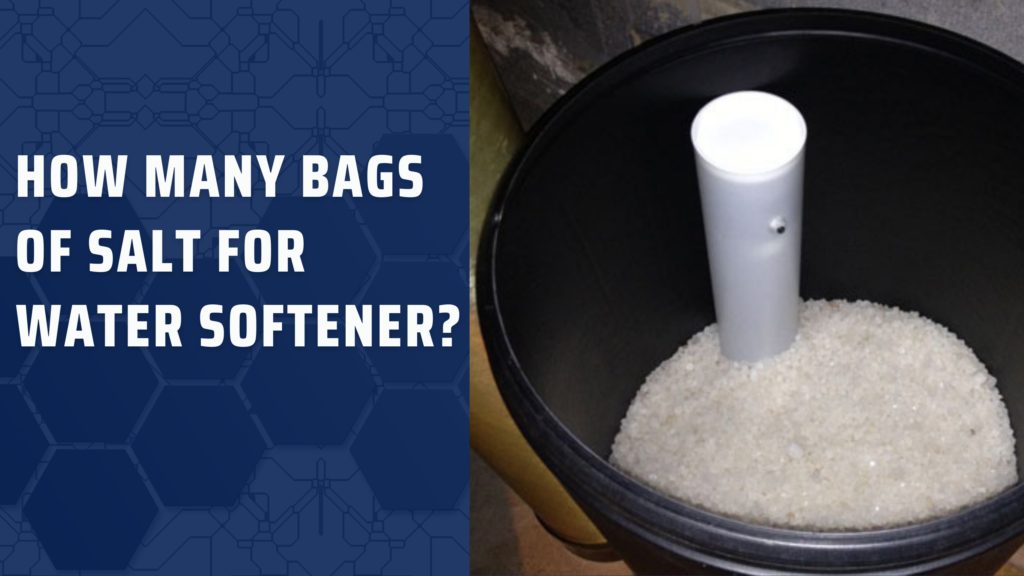
Picture this: you’re standing in the garage, holding a forty-pound bag of salt, staring at your water softener like it’s a cryptic puzzle box. You know you need to fill it, but the question that nags is deceptively simple—how many bags? Relax, friend. You’re not alone in this grimy, modern rite of passage.
Let’s cut to the brine chase. For a standard 40,000-grain water softener with a 9-inch by 40-inch tank, you’ll typically need one to two 40-pound bags of salt per month. That’s it—the sweet spot between efficacy and leaving a trail of salt granules through the laundry room.
Your actual mileage varies wildly, like a bad GPS reroute. The number depends on your water hardness level, household size, and how dramatically you chase that silky-smooth rinse. A family of four battling limestone-hard water? You might burn through three bags a month.
Must Read
The Great Salt Debate: Pellets vs. Crystals
You’ve probably noticed the salt aisle at the hardware store feels like a high-stakes draft. Solar salt crystals, evaporated pellets, block salt—it’s enough to make you miss choosing a Netflix show. Pellets are the popular choice because they dissolve evenly and rarely bridge into a crusty, stubborn dome.
That crusty dome is called “mushing,” and it’s the sworn enemy of every softener owner. Avoid it by sticking to high-purity evaporated salt (99.5% pure) and never mixing types, or you’ll invite a mineral-based grudge match. Think of it like mixing chardonnay with soda—sure, you can, but your palate (and plumbing) will rebel.
One fun fact: the ancient Romans used salt in their aqueducts to soften water for baths. They were onto something, but they also bathed in lead-lined pipes. So, take historical advice with a grain of—well, you get it.
A Practical Tip: The “Half-Tank Rule”
Here’s the golden rule that saves you from overzealous carpal tunnel: never fill your brine tank above the halfway mark. Pouring in three bags at once is like wearing two turtlenecks—uncomfortable, unnecessary, and prone to clumping. Instead, add one bag when the salt level drops below a quarter of the tank.
Check your owner’s manual like it’s a cryptic love letter. Some units demand exact salt types, while others are as forgiving as a beachside hammock. If you don’t have a manual, a quick online search with your model number will yield a treasure map to perfect filling.
A tiny story: my neighbor once filled his tank to the brim, convinced he was stockpiling for a siege. Three weeks later, his softener spewed a salty slushie onto the garage floor. The lesson? Overfilling bridges the salt, creating a solid block that laughs at your regeneration cycle.
When to Add Salt (And When to Call It Quits)
Your water softener will whisper its needs. If you hear a gurgling sound during regeneration, that’s the brine tank saying, “Feed me, Seymour.” Touch the salt—if it feels dry and crumbly, you’re fine. If it’s a wet sludge, grab a new bag immediately.
Look for the “salt bridge” occasionally. This is when a crust forms on top of the salt, leaving a hollow void beneath—you’ll need to break it with a broom handle (the plastic kind, not metal, or you’ll puncture the tank). It’s oddly satisfying, like cracking a giant meringue. Just don’t eat it—that’s a different kind of salty treat.
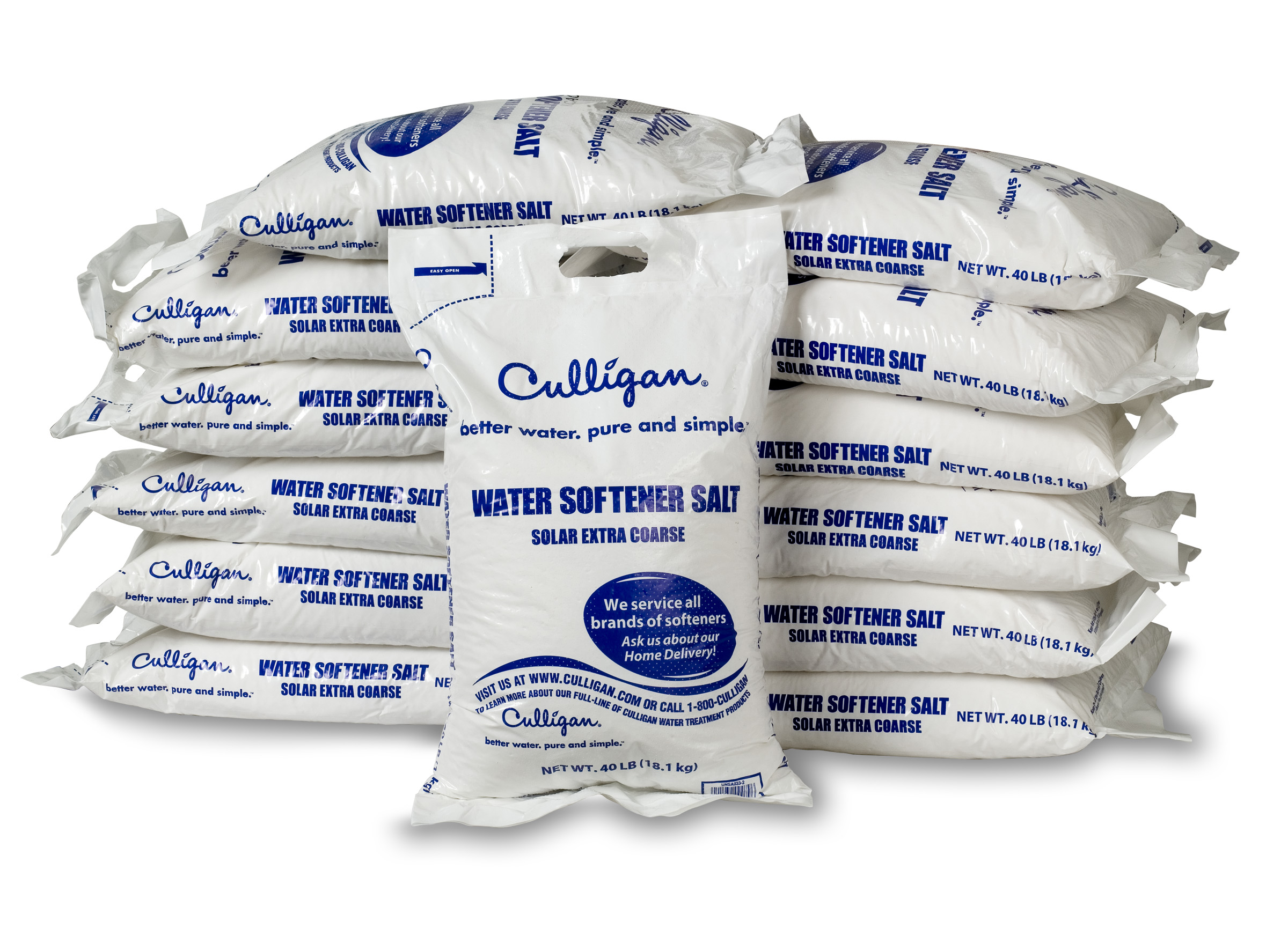 Water Softener Salt Delivery | Culligan Inver Grove Heights
Between fills, keep the tank lid tight. Moisture is the saboteur of salt, turning your fresh pellets into a rock-hard glacier. Garage-dwellers, I’m looking at you—humidity is the enemy of smooth operation. If your tank lives in a damp basement, toss in a bag of salt more often, not less.
Cultural Salt Lore: From Brine to Balance
Salting has a deep cultural history. In ancient Egypt, salt was used to preserve mummies and, presumably, keep their water soft for an afterlife bath. The word “salary” comes from the Latin salarium, a salt allowance for Roman soldiers—proof that salt has always been currency. Today, your bag of Morton’s is your currency for soft skin and clean pipes.
Fun little fact: a single grain of salt can hold 1,000 times its weight in water molecules. That’s why your softener needs so little to strip away the hardness—it’s the ultimate microscopic sponge. Next time you see a bag, appreciate the silent science at play.
Practical Checklist for the Monthly Fill
Here’s your no-fuss routine. Step one: open the lid and check the salt level—it should be at least a few inches above the water. Step two: if it’s low, pour in one 40-pound bag slowly, avoiding dust clouds that tickle your nose. Step three: close the lid and give it a gentle pat like you’re tucking it in for a nap.
Keep a sharpie by the tank. Jot the date you added salt—it’ll save you from the “did I or didn’t I?” spiral. The average household uses about 10 to 20 pounds of salt per week, so one bag typically lasts two to four weeks. Adjust based on your water test results—test strips are cheap and oddly entertaining.
Remember: your water softener is not a sci-fi contraption. It’s a simple brine exchange, a dance between salt, resin, and a timer. Once you know the rhythm, you’ll never stand in the aisle bewildered again.
A Final Reflection on the Soft Things
Thinking about water softener salt might seem mundane, but it’s a quiet ritual. You’re buying yourself a small luxury—suds that foam, dishes that sparkle, and a shower that leaves skin silky. In a world that demands so many decisions, the simple act of pouring salt is a grounding pause. So next time you heft that bag, smile. You’re not just maintaining a machine; you’re curating comfort. One measured, crunchy bag at a time.
Now go on. Your softener is whispering, and it sounds a lot like “more salt, please”.
