Washington Dc Reverse Osmosis Drinking Water

So, you’re living in Washington, D.C., or maybe you’re just visiting, and you’ve noticed something about the tap water. It tastes a little... weird, right? Maybe a bit like a...
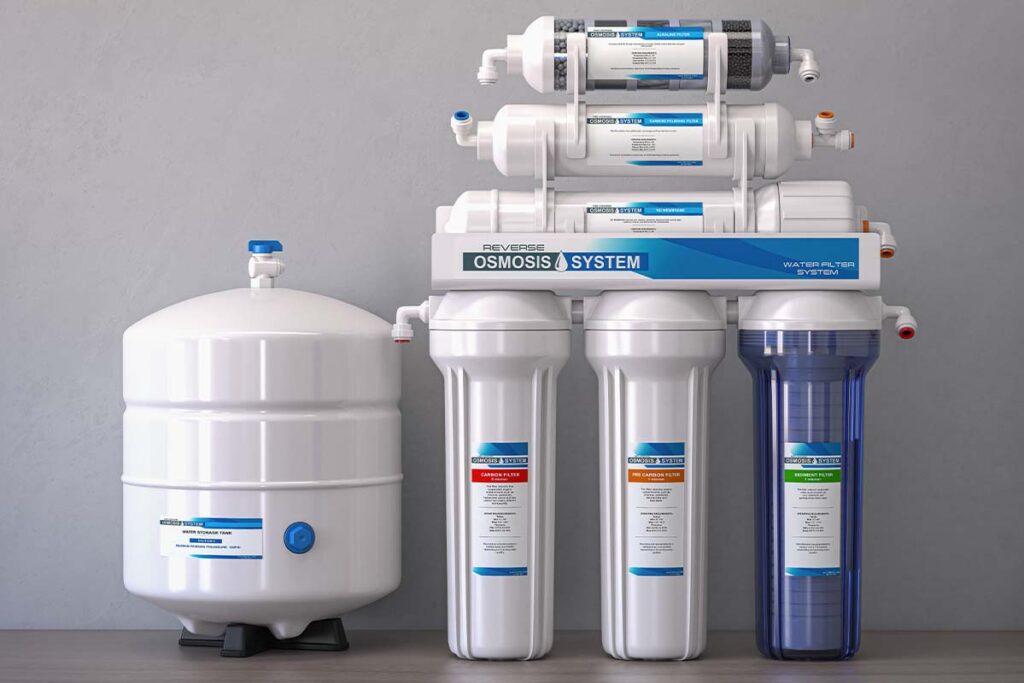
So, you’re living in Washington, D.C., or maybe you’re just visiting, and you’ve noticed something about the tap water. It tastes a little... weird, right? Maybe a bit like a swimming pool decided to crash your glass of H2O. Don’t worry, you’re not losing your mind—it’s the chlorine and all the fancy stuff the city adds to keep things safe.
But here’s the good news: there’s a superhero in the world of hydration, and it’s called Reverse Osmosis. Think of it as a bouncer for your water, kicking out the bad guys and only letting the pure, crisp molecules through. And in D.C., where the water source is the Potomac River (yes, that Potomac), this tech is basically a lifesaver for your taste buds.
What Even Is Reverse Osmosis? (Without the Science Headache)
Okay, imagine you’re at a fancy party, and there’s a super-strict velvet rope. Only the coolest, teeniest molecules—like water—get through. The big, clumsy troublemakers like lead, chlorine, and weird sediment get sent home. That’s Reverse Osmosis in a nutshell: a semi-permeable membrane playing water bouncer.
Must Read
It’s not magic, though it sure feels like it. It just uses pressure to push water through that membrane, leaving the gunk behind. The result? Water so clean, it makes bottled water look like a hypocrite in plastic.
Why D.C. Needs This More Than a Tourist Needs a Metro Map
Let’s be real: D.C.’s aging pipes are notorious for adding a little “extra” to your drink. We’re talking lead from old service lines, and even copper that can make your water taste metallic. Reverse Osmosis doesn’t just mask these flavors; it annihilates them.
Plus, that chlorine smell? Gone. Poof. Your glass will smell like a mountain spring instead of a public pool. And no, you won’t need a chemistry degree to install one—most systems are pretty plug-and-play, or you can call a local plumber who knows the D.C. water quirks.
The Fun Part: Taste Test Time!
I once did a blind taste test with my roommate. We had D.C. tap water, a fancy brand, and water from our under-sink Reverse Osmosis system. The tap water tasted like battle. The fancy brand? Fine, but a little flat. The RO water? Crisp, sweet, and borderline addictive. It’s the kind of water you want to put in a wine glass just to feel fancy.
And here’s the kicker: it’s way cheaper than buying cases of plastic bottles. You save money, you save the planet, and you avoid the judgment of your eco-conscious friends. Win-win-win.
But Wait—Doesn’t It Waste a Ton of Water?
Okay, yes, older RO systems can be a little thirsty. They might waste a few gallons for every one they make. But modern systems are like reformed party animals—they’re much more efficient. Some now have a permeate pump that cuts waste by up to 50%.
If you’re worried about the environment, pair it with a water-saving lifestyle. Or just use the “waste” water for your plants. Your spider plant will thank you, and it won’t even know it’s second-hand water. Shh, it’s our secret.
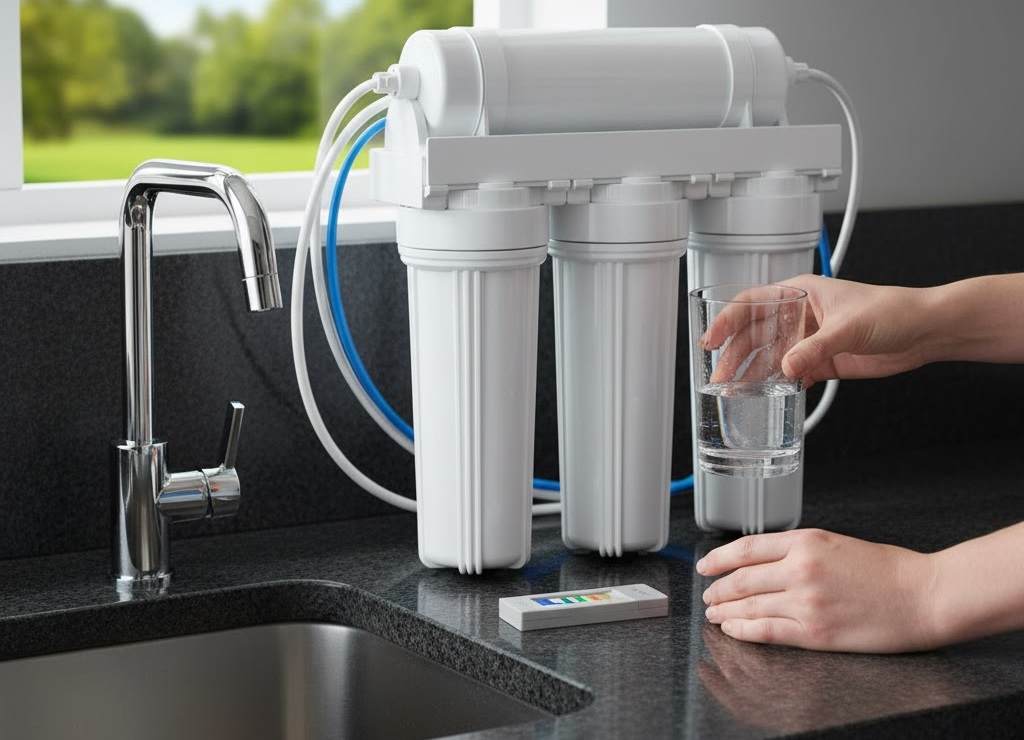 Understanding Reverse Osmosis Systems for Drinking Water | Knoxvile TN
How to Get One Without Losing Your Security Deposit
You don’t need a mansion. A simple under-sink Reverse Osmosis system fits in even the tiniest D.C. apartment. They’re about the size of a shoebox, and they install under your kitchen sink, hiding away like a secret agent for clean water.
Look for a system with a four-stage filtration (or five, if you want to show off). It’ll have a sediment filter, a carbon filter, the RO membrane, and a final polish filter. Rebates? Maybe! Some D.C. programs offer discounts for water-saving tech, so Google around. Your wallet will do a happy dance.
What About the "Health Nut" Argument?
Some people worry that RO removes good minerals like calcium and magnesium. True, it does strip them out. But here’s the funny thing: you get most of your minerals from food, not water. Unless you’re a gummy bear, you’re probably fine.
If you feel fancy, you can add a remineralization filter that puts the good stuff back in. It’s like giving your water a spa day. Your bones won’t know the difference, but your taste buds will high-five you.
The "High Altitude" Life (Wait, D.C. Isn't High)
That was a joke. But seriously, living in D.C. means you’re dealing with hard water that leaves white spots on your glasses. RO water is so soft, it’ll make your dishes look spotless and your coffee taste like a barista’s dream. No more chalky residue on your morning cup of joe.
And if you’re a cocktail lover? Use RO for your ice cubes. You’ll ruin yourself for bar ice forever. It’s that clear and clean. Sorry, mixologists, but you’ve been warned.
The Final Sip
So, whether you’re a government intern living off ramen or a seasoned diplomat, Reverse Osmosis is the upgrade your D.C. life needs. It turns your tap from a “meh” experience into a pure, joyful ritual. You’ll drink more water, feel better, and even save a few bucks.
And you know what? That first sip of ice-cold, crystal-clear, RO-filtered water on a sticky summer day in the District? It’s like victory. You’ve outsmarted the pipes, the chlorine, and the Potomac’s entire history. So go ahead—pour yourself a glass. You’ve earned it. And smile, because your taste buds are now living the good life.
